Professional Fertilizer Equipment, Straw Processing Equipment, Waste Processing Equipment and Mining Equipment Manufacturer.
Contact Info
Apartemen Neo Soho Lantai 10 Unit 10, Jl. Letjan S parman kav.28, Kel. Tanjung Duren Selatan Kec.
Professional Fertilizer Equipment, Straw Processing Equipment, Waste Processing Equipment and Mining Equipment Manufacturer.
Apartemen Neo Soho Lantai 10 Unit 10, Jl. Letjan S parman kav.28, Kel. Tanjung Duren Selatan Kec.
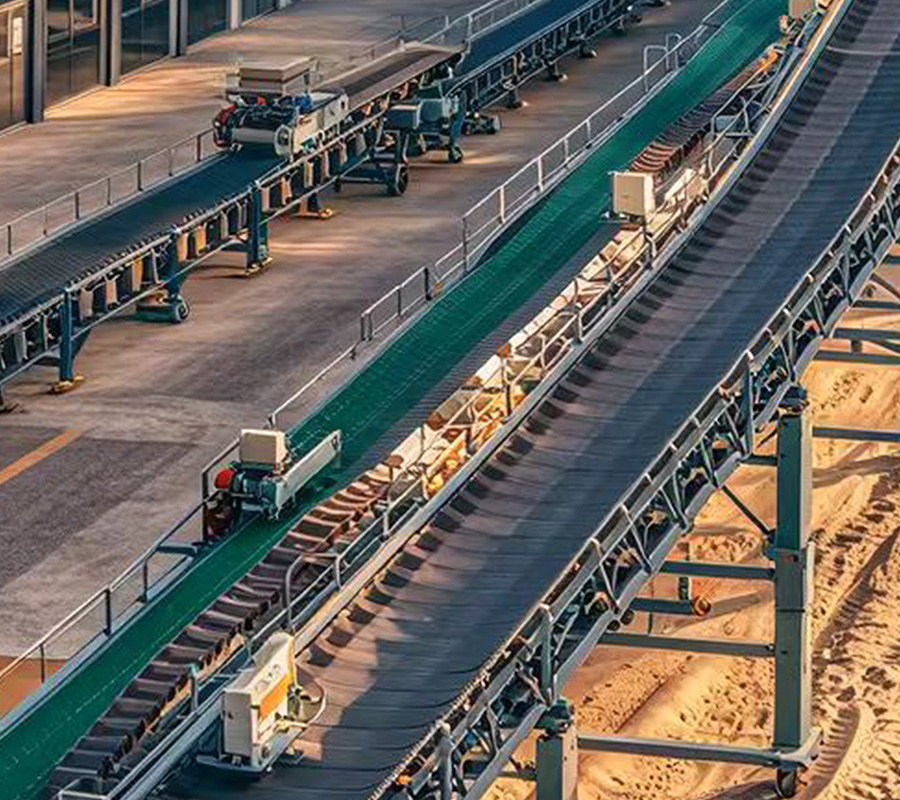
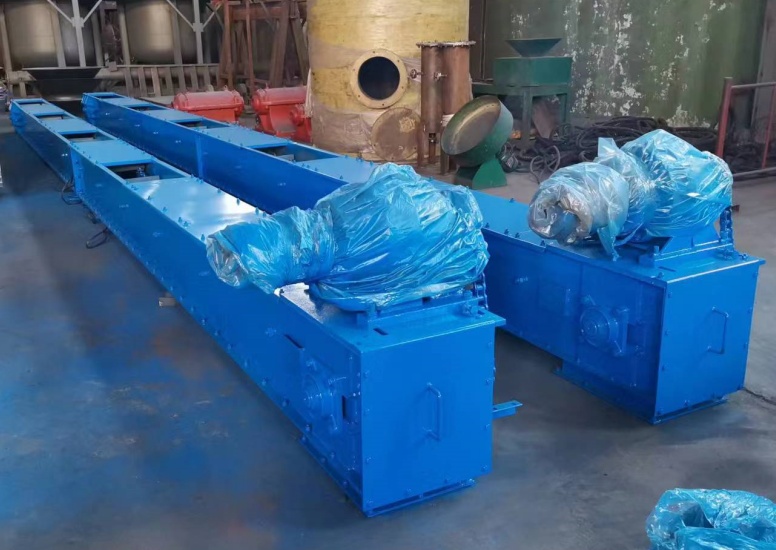
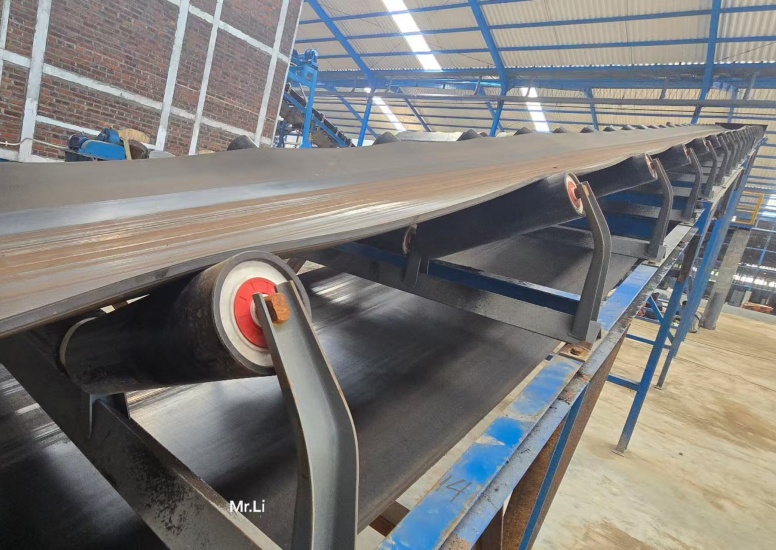
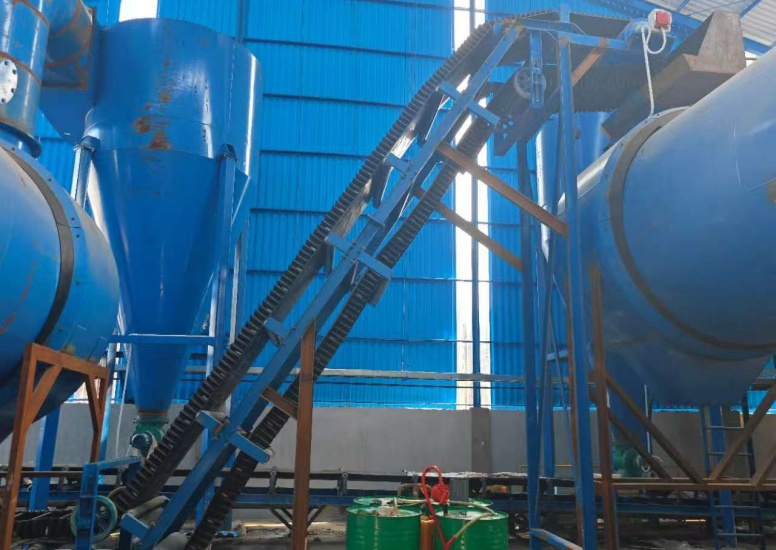
Install and debug belt conveyors for Filipino customers. This product is suitable for material transportation in various farms and organic fertilizer factories. Used for conveying bulk materials or packaged items with low packing density; Its technological advantages are reflected in its large conveying capacity, convenient maintenance, high degree of component standardization, and flexible conveying lines, which can operate as a single machine or synthesize multiple automated assembly lines, effectively reducing production costs.
It is the core component for carrying and conveying materials, consisting of a belt core, upper and lower cover layers, and edge protection layers. Common types include ordinary conveyor belts, steel cord conveyor belts, steel wire rope traction conveyor belts, and corrugated sidewall conveyor belts.
They support the conveyor belt, reduce running resistance, and ensure stable operation. Classified by purpose, they include trough idlers, flat idlers, self-aligning idlers, and buffer idlers.
Composed of an electric motor, coupling, reducer, drive pulley set, and control device, it provides power for the movement of the conveyor belt. Drive pulleys are divided into steel smooth-faced pulleys, rubber-covered pulleys, ceramic pulleys, etc.
Including head frame, tail frame, and intermediate frame, it is used to install the head, tail, idler sets, and other auxiliary devices of the belt conveyor. Types include wire rope frames and ground-mounted frames.
It maintains sufficient tension in the conveyor belt to ensure friction between the belt and the drive pulley, preventing belt slippage. Common types are screw tensioning devices, vertical tensioning devices, counterweight carriage tensioning devices, and wire rope winch tensioning devices.
It removes residual materials from the conveyor belt to avoid contamination and wear, including head cleaners and return side cleaners.
 WhatsApp
 Email
Email
 + 8613905485429