Professional Fertilizer Equipment, Straw Processing Equipment, Waste Processing Equipment and Mining Equipment Manufacturer.
Contact Info
Apartemen Neo Soho Lantai 10 Unit 10, Jl. Letjan S parman kav.28, Kel. Tanjung Duren Selatan Kec.
Professional Fertilizer Equipment, Straw Processing Equipment, Waste Processing Equipment and Mining Equipment Manufacturer.
Apartemen Neo Soho Lantai 10 Unit 10, Jl. Letjan S parman kav.28, Kel. Tanjung Duren Selatan Kec.
Latest news and technology on fertilizer equipment, straw processing equipment, waste processing equipment and mining equipment.
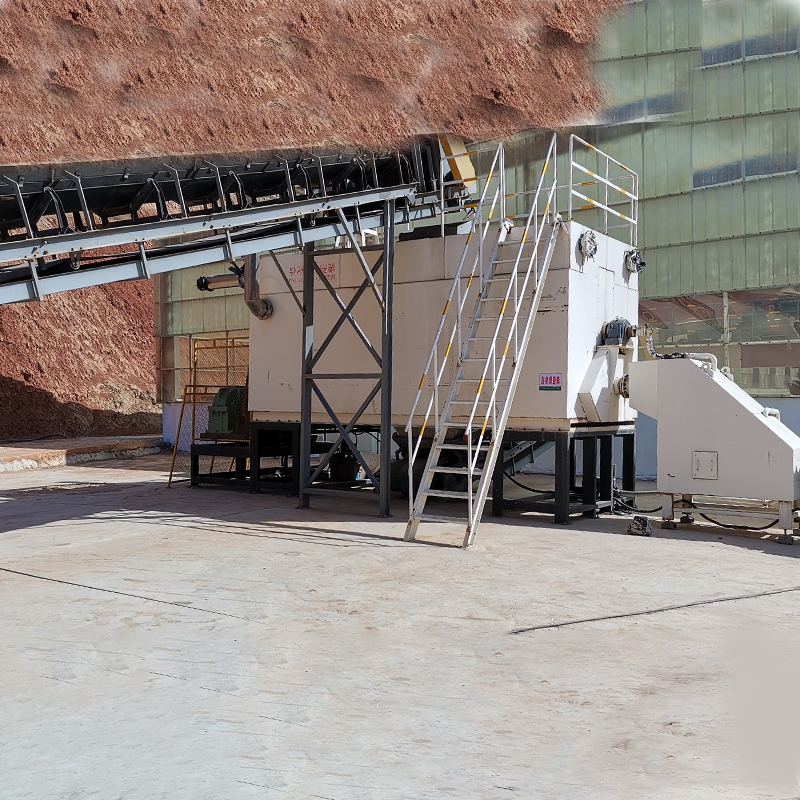
Industry standard name: Horizontal Box type High temperature Aerobic Fermentation Equipment, commonly known as Box type Fermentation Tank, Fermentation Box, Integrated Fermentation Warehouse, specialized in processing solid organic waste as organic fertilizer, different from vertical circular fermentation tanks and liquid fermentation tanks. Working principle of box type fermentation tank foundation Fully automatic high-temperature aerobic fermentation inside a sealed box Raw material pretreatment: adjust the moisture content of livestock manure/sludge/kitchen waste+straw auxiliary materials to 55%~65%, carbon nitrogen ratio to 25:1, and add fermentation agents; Sealed feeding: The belt conveyor sends the material into the insulation box; Stirring+Bottom Aeration: The main shaft…
Read More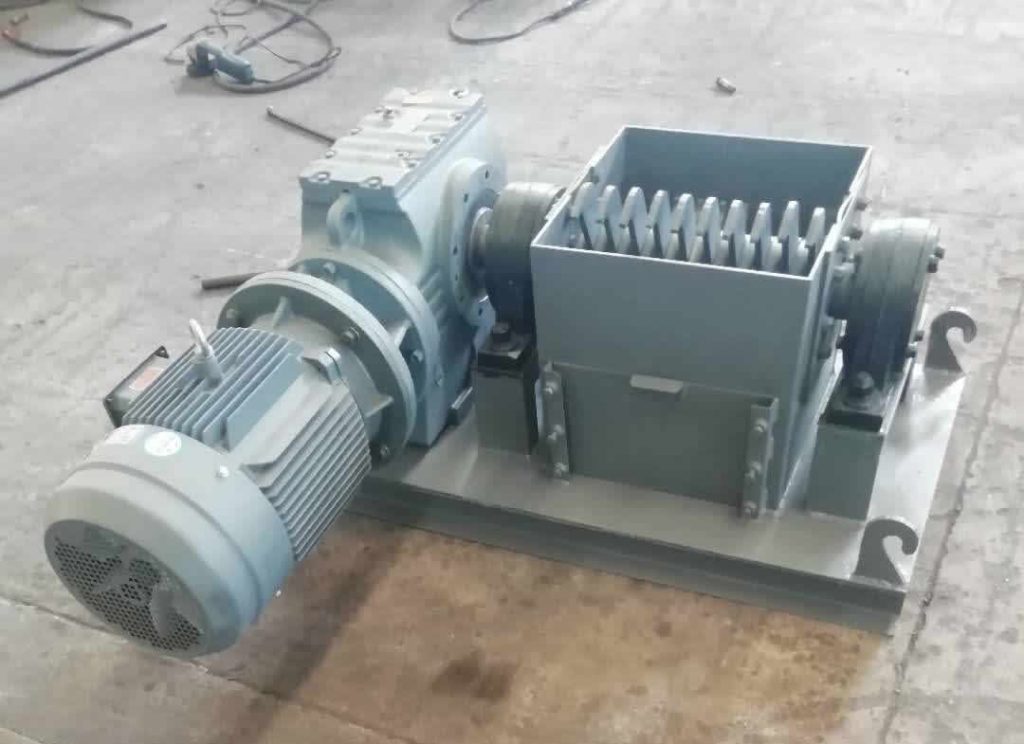
The bulk crusher generally refers to the first coarse crushing equipment on the production line, which is specialized in processing large-sized raw materials. It is commonly used for mining, construction waste, organic fertilizer lumps, and coal blocks. The mainstream is divided into four categories: jaw crusher, heavy hammer (box type) crusher, gyratory crusher, and biaxial shear crusher. 1. Jaw crusher (jaw crusher, most commonly used large head crusher) Principle: The moving jaw plate oscillates back and forth, squeezes, bends and crushes materials, and has a V-shaped large feed inlet. -Feed: up to 1200-1500mm stones; -Advantages: Not afraid of hard materials…
Read More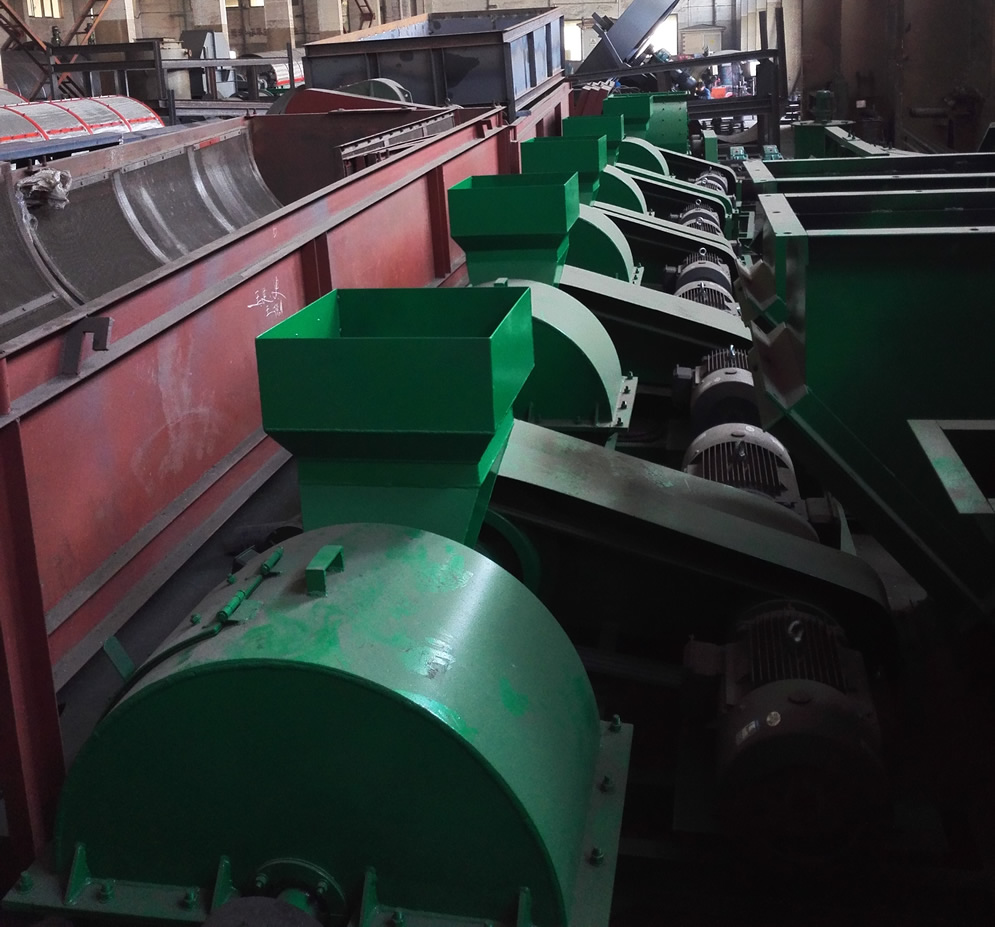
Cage crusher: a horizontal double rotor impact fine crushing equipment commonly used in fertilizer production lines, specifically designed to break up clumps of fertilizers and organic fertilizers. Working Principle Two sets of concentric circular cage discs (inner cage, outer cage) are driven by two motors to rotate at high speed in reverse, and wear-resistant alloy steel cage bars are fixed on the cage discs. The material enters the center from the feeding port, and is thrown outward by centrifugal force. It is repeatedly hit, sheared, and collided by the cage bars moving in opposite directions, and gradually crushed from the…
Read More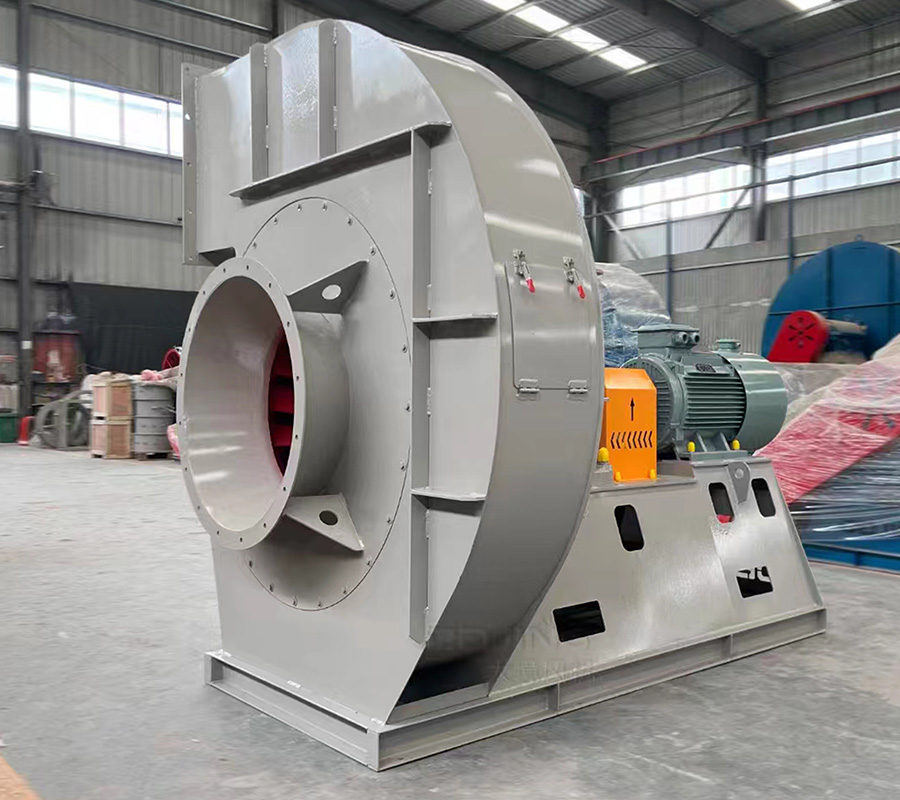
High pressure fan (also known as high-pressure blower, vortex air pump, side flow fan) is a type of general-purpose industrial air pump that can output high air pressure. It relies on the high-speed rotation of the impeller to repeatedly boost the air and output high-pressure airflow. It can blow air or vacuum suction, and is a commonly used air source equipment for equipment matching Working principle of high-pressure fan The motor drives the impeller to rotate at high speed, and air enters the pump body, making a spiral circulation motion between the impeller and the side channel; Every time the…
Read More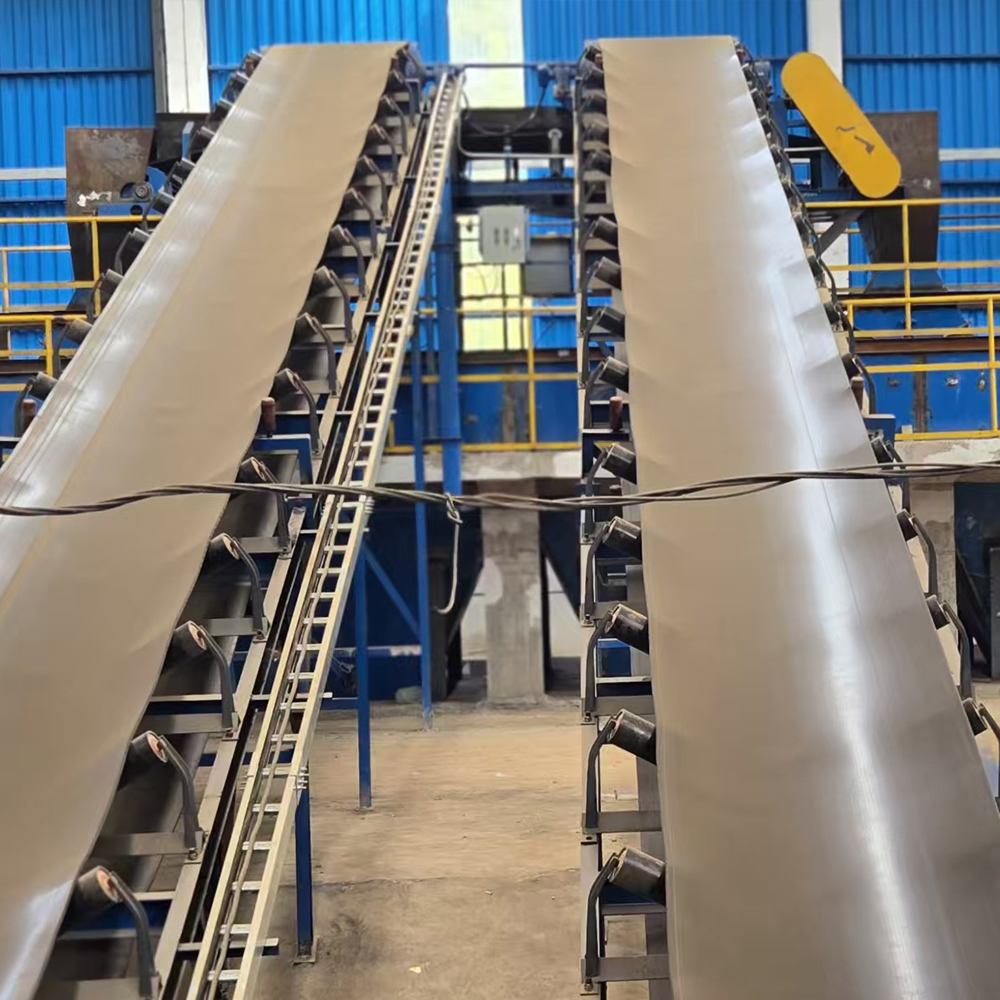
A Belt Conveyor is a mechanical device used to continuously transport materials (solid, granular, powdery, etc.) over a distance, consisting of a conveyor belt, drive unit, idlers, frame, and control system. Belt Conveyor Core Working Principle The drive roller is powered to rotate, generating friction between the roller and the conveyor belt. The friction drives the conveyor belt to move continuously along the idlers. Materials placed on the belt are transported from the feeding end to the discharge end synchronously with the belt. Belt Conveyor Key Features Wide application: Suitable for transporting various materials such as coal, ore, fertilizers, grains, and packages.…
Read More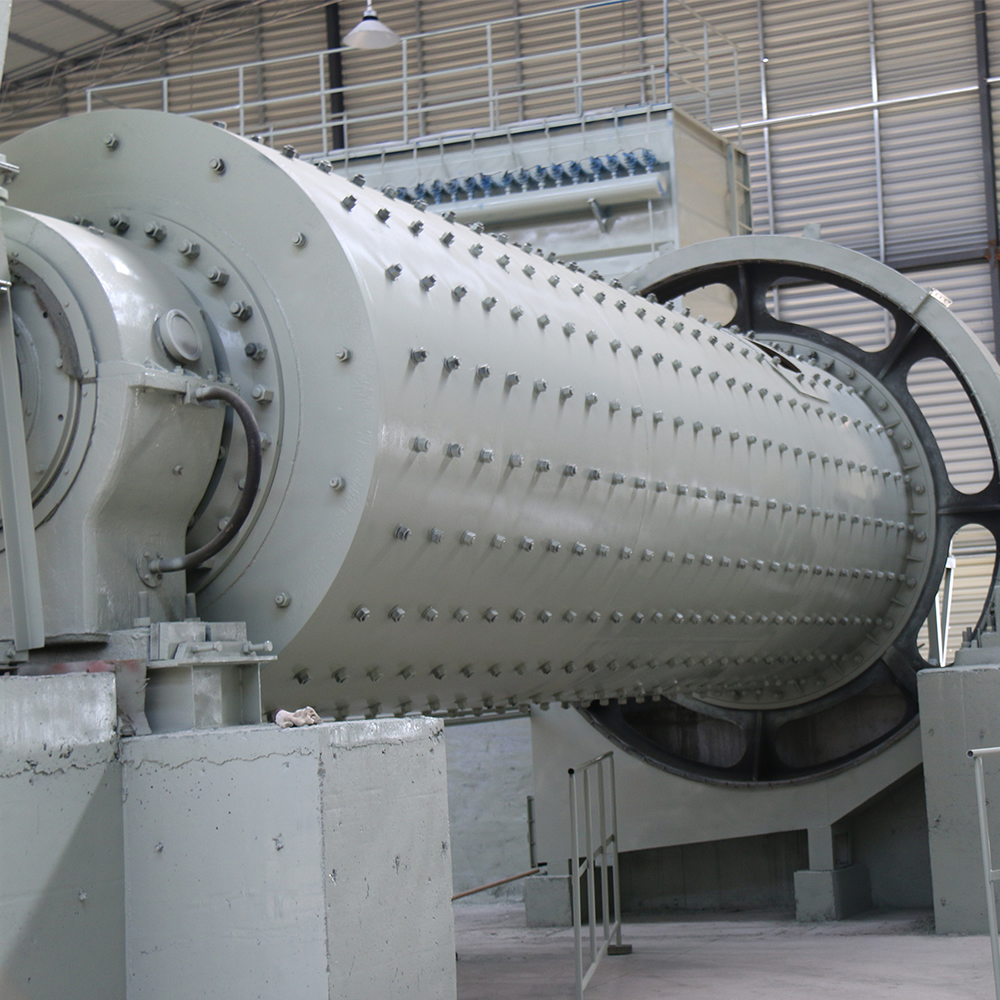
The ball mill is the core grinding equipment that crushes materials and then finely grinds them. It is widely used in industries such as mining, building materials, cement, organic fertilizers, and chemical engineering to grind ores, stones, and solid raw materials into fine powder. Working principle of ball mill Steel balls/ceramic balls (grinding media) are installed inside the cylinder. When the cylinder rotates, the steel balls are lifted, dropped, rolled, and collided with the grinding material; By relying on the impact and friction of steel balls, block shaped particles are ground into fine powder. Main structure of ball mill Cylinder:…
Read More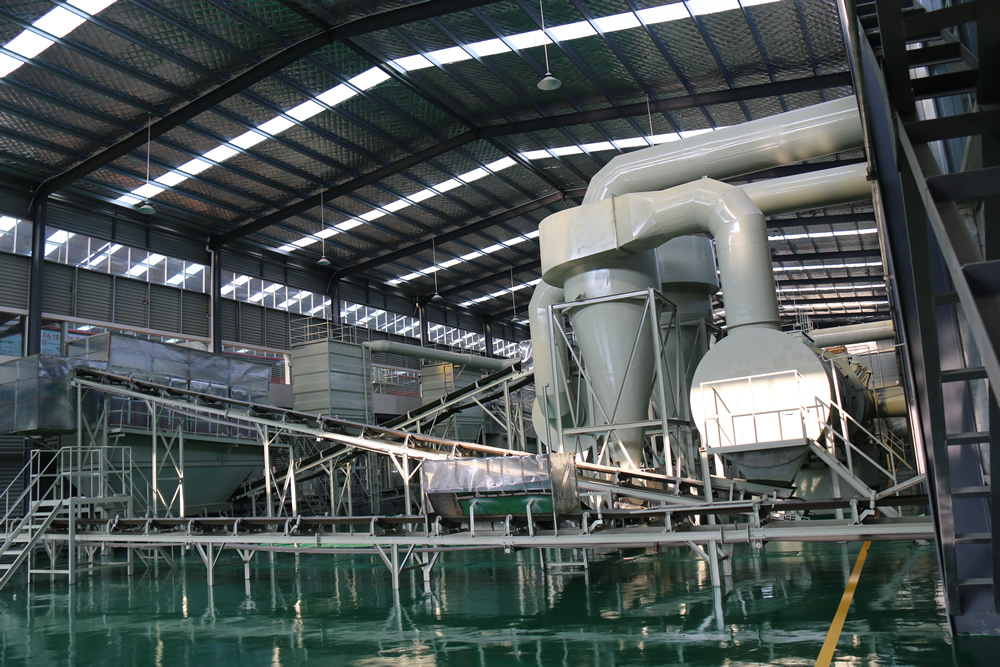
The cyclone dust collector is a dry-type gas-solid separation device that separates dust particles from the dusty gas flow by utilizing centrifugal force. Its core working principle is as follows: The dusty gas flow enters the cylindrical container tangentially from the cyclone, forming a high-speed rotating vortex inside the cylinder. Due to the difference in mass between dust particles and gas, under the action of centrifugal force, the dust particles are thrown towards the cylinder wall and fall along the wall under the influence of gravity, eventually entering the ash hopper at the bottom for collection; while the purified gas is discharged…
Read More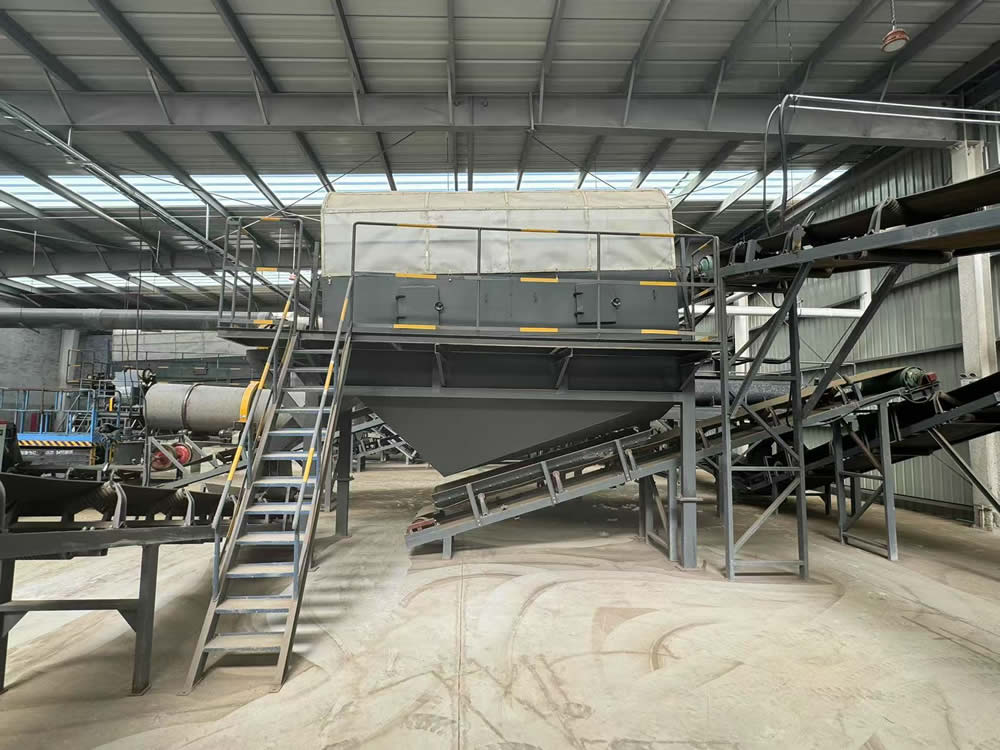
The drum screening machine is a low-speed rotary grading and screening equipment that relies on the rotation of inclined drums to achieve material size separation. Dry and wet sticky materials are not easily blocked in the net, and are widely used for grading organic fertilizers, sand and gravel, coal, household waste, and ores. It is also a standard equipment for organic fertilizer production lines Overall structure of drum screening machine The six core components of the whole machine are: Screen cylinder body: inclined installation (inclination angle 3 °~8 °), divided into two types: axial and non axial; The screen mesh is a…
Read More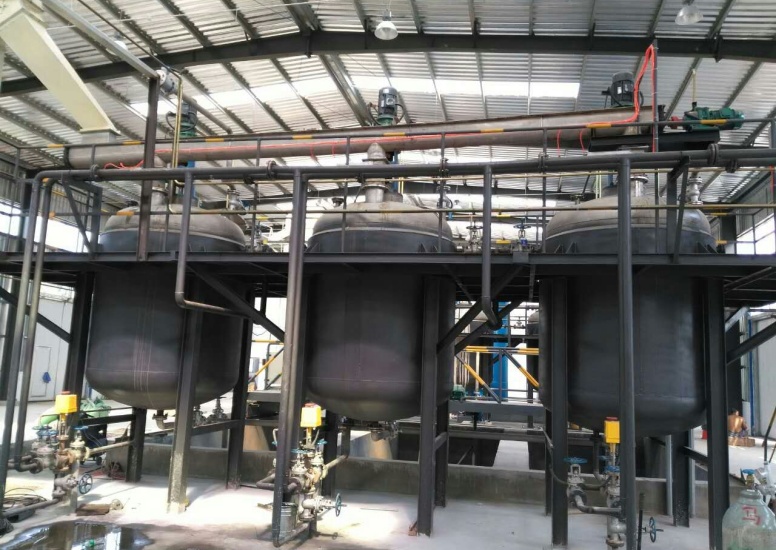
A liquid fertilizer production line is a set of specialized, continuous, and automated equipment systems designed to process various organic, inorganic, or biological raw materials into flowable, homogeneous liquid fertilizers that meet agricultural application standards through processes such as raw material pretreatment, dissolution/mixing, homogenization, sterilization, filtration, metering, and filling. The end products, including water-soluble fertilizers, amino acid fertilizers, humic acid fertilizers, and compound liquid fertilizers, can be directly applied via drip irrigation, sprinkler irrigation, foliar spraying, or flood irrigation, and are widely used in modern intensive agriculture due to their rapid nutrient absorption and high utilization rate. Core Composition and…
Read More WhatsApp
 Email
Email
 + 8613905485429