Professional Fertilizer Equipment, Straw Processing Equipment, Waste Processing Equipment and Mining Equipment Manufacturer.
Contact Info
Apartemen Neo Soho Lantai 10 Unit 10, Jl. Letjan S parman kav.28, Kel. Tanjung Duren Selatan Kec.
Professional Fertilizer Equipment, Straw Processing Equipment, Waste Processing Equipment and Mining Equipment Manufacturer.
Apartemen Neo Soho Lantai 10 Unit 10, Jl. Letjan S parman kav.28, Kel. Tanjung Duren Selatan Kec.
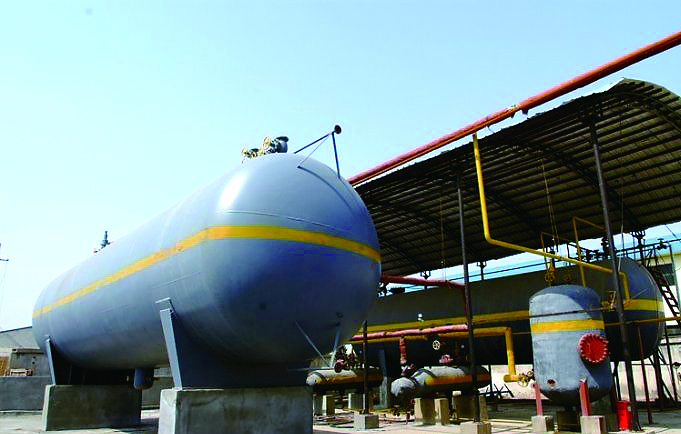
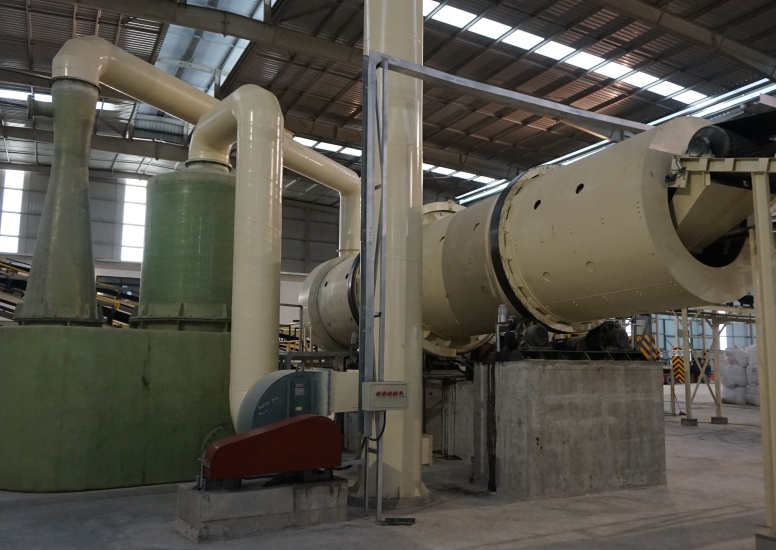
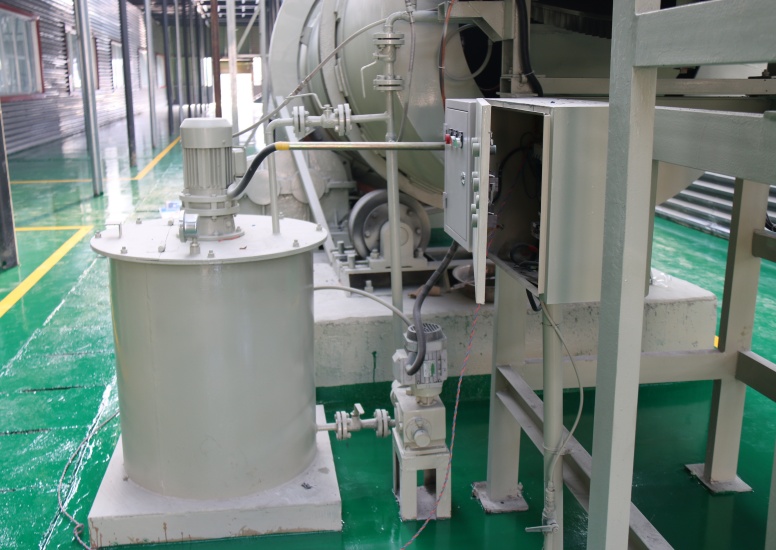
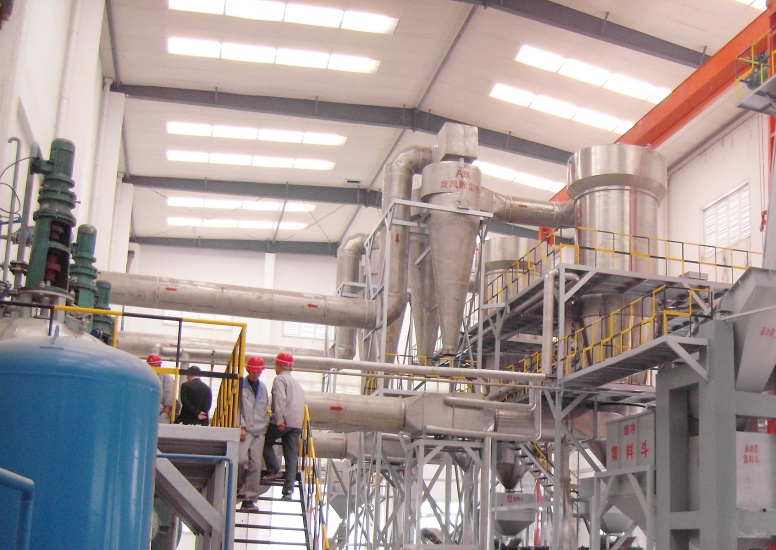
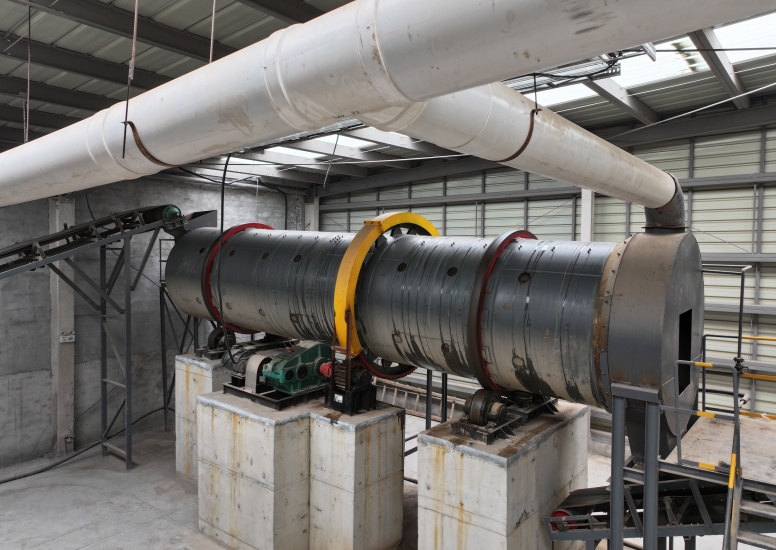
Installed and debugged ammonia granulation equipment for a Korean client who has been operating in the fertilizer industry for many years. The client has cooperated with our company multiple times to explore and try new technologies for organic fertilizer production, and invested in new equipment to provide technical support for the development of the enterprise. Ammonium granulation is a process used in the production of compound fertilizers, in which a portion of sulfuric acid and liquid ammonia are added as raw materials. Through a tubular reactor, heat is generated through neutralization reactions, which can increase the temperature and physical properties of the material, especially solubility and viscosity. The balling rate can reach 70% -90%, and the yield can be increased by 50% -100%.
Ammoniation granulation is a production process for compound fertilizers, the core of which is to introduce ammonia gas into the rotary drum granulator for secondary neutralization reaction, using the heat generated by chemical reactions to evaporate water and form sulfur based compound fertilizers with sufficient particle nutrients. This process completes the neutralization reaction of mixed acid and synthetic ammonia through a tubular reactor to generate compound fertilizer slurry, which is then sprayed into a rotary drum granulator for molding. The moisture content of the slurry is controlled at around 15%, significantly lower than that of the spray granulation process, effectively reducing energy consumption. Ammoniation granulation can flexibly adjust the nitrogen phosphorus potassium ratio, producing sulfur based compound fertilizers with uniform particles, stable quality, and easy dissolution and absorption, suitable for scenarios such as base fertilizers and seed fertilizers. As one of the mainstream technologies in the compound fertilizer industry, its process maturity is high and it is widely used in the production of sulfur based compound fertilizers.
process flow
The ammonification granulation process is mainly divided into three stages: mixed acid preparation, neutralization reaction, and rotary drum granulation. Firstly, potassium chloride reacts with sulfuric acid to produce potassium bisulfate and hydrochloric acid, which are then mixed with dilute phosphoric acid to form a mixed acid. Subsequently, the mixed acid and synthetic ammonia undergo neutralization reaction in a tubular reactor to generate compound fertilizer slurry. Finally, the slurry is sprayed into the rotary drum granulator, and gas ammonia is introduced for secondary neutralization reaction. The reaction heat is used to evaporate the water, and the particles are bonded into granules and formed. As of 2025, this process still dominates in the production of sulfur based compound fertilizers.
Technical Features
The core technical features of ammoniation granulation process include:
Chemical reaction heat utilization: The heat released by neutralization reaction effectively evaporates water, reducing drying energy consumption
Secondary ammonification reaction: introducing ammonia gas into the rotary drum granulator to further increase nitrogen content and optimize granulation effect
Moisture control: The moisture content of the slurry is about 15%, significantly lower than the 30% in the spray granulation process
Proportion flexibility: adjustable nitrogen, phosphorus, and potassium ratios to produce different formulations of sulfur based compound fertilizers
Production effect
The sulfur based compound fertilizer produced by ammonification granulation process has the following characteristics:
Physical properties: Smooth and rounded particle surface, high uniformity, moderate hardness
Chemical characteristics: Stable nutrient content, with a total nutrient content of over 45%
Solubility characteristics: easy to dissolve and absorb, with a fertilizer efficiency utilization rate of 50%
Safety: Low chloride ion content, relatively safe for seeds as seed fertilizer
Application field
Ammonia granulation sulfur based compound fertilizer is suitable for various agricultural scenarios:
Crop type: widely used in crops such as grains, vegetables, fruit trees, etc
Soil type: Suitable for sulfur deficient soil and areas where chlorine sensitive crops are grown
Fertilization method: It can be used as a base fertilizer for one-time application or as a seed fertilizer for co sowing with seeds
 WhatsApp
 Email
Email
 + 8613905485429