Professional Fertilizer Equipment, Straw Processing Equipment, Waste Processing Equipment and Mining Equipment Manufacturer.
Contact Info
Apartemen Neo Soho Lantai 10 Unit 10, Jl. Letjan S parman kav.28, Kel. Tanjung Duren Selatan Kec.
Professional Fertilizer Equipment, Straw Processing Equipment, Waste Processing Equipment and Mining Equipment Manufacturer.
Apartemen Neo Soho Lantai 10 Unit 10, Jl. Letjan S parman kav.28, Kel. Tanjung Duren Selatan Kec.
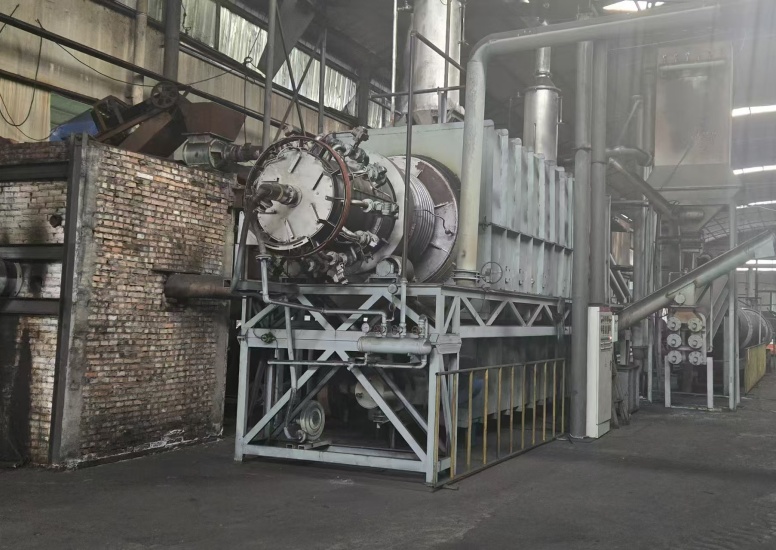
The straw carbonization equipment production line is a complete set of industrial equipment systems that take agricultural waste (such as wheat, corn, rice, cotton and other crop straws) as the core raw material.
In agriculture, the straw charcoal produced by the straw carbonization equipment production line is a high-quality soil amendment. Applying straw charcoal to soil can significantly enhance the soil’s water and fertilizer retention capacity, improve the soil aggregate structure, and increase soil aeration. At the same time, straw charcoal provides a favorable living environment for soil microorganisms, promotes microbial activity, and enhances soil fertility. For various crops such as wheat, corn, and vegetables, the application of straw charcoal can increase crop yield and quality, reduce the use of chemical fertilizers, and contribute to the development of green agriculture.
Benefits: Straw charcoal serves as a soil amendment and improves soil fertility.
Straw charcoal has a variety of uses in industry. As an industrial fuel, straw charcoal has a relatively high calorific value during combustion and produces fewer pollutants such as sulfur dioxide and nitrogen oxides compared to traditional fuels like coal, making it more environmentally friendly. It can be used in scenarios such as industrial boiler heating. In addition, straw charcoal can also be used as a raw material for activated carbon production. After further activation treatment, the produced activated carbon has strong adsorption performance and is widely used in industrial fields such as wastewater treatment, air purification, and food processing decolorization.
Benefits: Straw charcoal can be used as fuel and also as a raw material for activated carbon.
The straw carbonization equipment production line itself is an effective way to handle agricultural waste. It avoids air pollution caused by straw burning and reduces greenhouse gas emissions. Straw charcoal also has a certain carbon sequestration effect, which seals the carbon in straw in a stable form and helps mitigate climate change. Meanwhile, when straw charcoal is used to treat wastewater, it can adsorb pollutants such as heavy metals and organic substances in water, purify water quality, and achieve excellent environmental benefits.
Benefits: Realizes waste utilization and delivers significant environmental benefits.
Straw charcoal can be used as a supplementary form of biomass energy. Processing straw charcoal into formed fuels (such as charcoal rods and charcoal blocks) facilitates storage and transportation. These formed fuels can be used for household heating, cooking, etc., and can also serve as fuel for small-scale power generation equipment to provide energy support for remote areas, promoting the diversification of energy structure.
Benefits: Serves as biomass energy.
In forestry seedling cultivation and horticultural planting, straw charcoal can be used as a component of seedling substrates. It improves the air permeability and water retention capacity of the substrates and increases the survival rate of seedlings. In flower planting, adding an appropriate amount of straw charcoal can promote flower growth, extend the flowering period, and enhance flower quality.
Benefits: Improves seedling substrates and increases seedling survival rate.
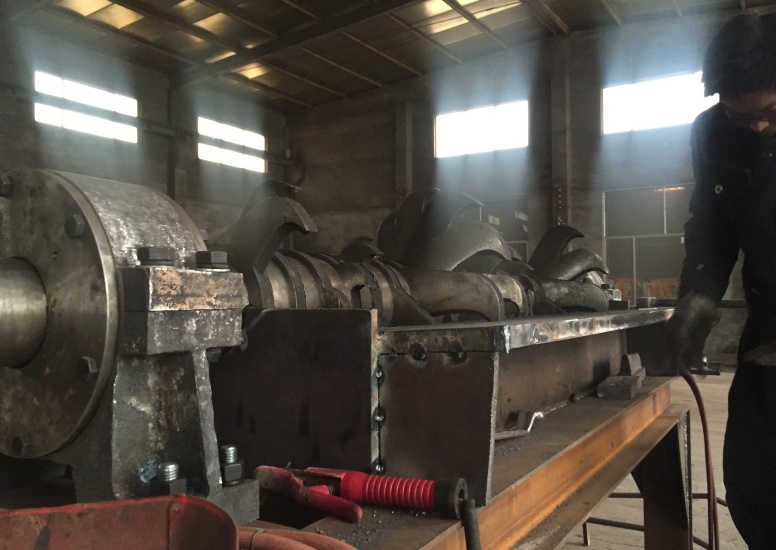
This production line mainly consists of preprocessing equipment, carbonization equipment, exhaust gas treatment equipment, etc.
We adopt transparent pricing with no hidden costs, and our “factory-direct supply” model ensures you enjoy the best cost-effectiveness (20-30% lower than trading companies)
As a factory-direct supplier, we do more than just sell equipment—we provide end-to-end support to ensure the smooth progress of your production:
Professional Strength & Quality Assurance: We have a 15-person R&D team of engineers (all with over 10 years of industry experience) and a 5,000-square-meter production base. All equipment undergoes 3 rounds of quality inspections (raw material inspection, assembly inspection, 72-hour trial operation) before delivery.
Efficient & Comprehensive After-Sales Service:
Warranty Service: 2-year warranty for core components (motors, PLC systems); lifetime technical consultation (24/7 hotline + online customer service).
Customization Capability: We can customize equipment based on your raw materials (e.g., high-moisture manure, special mineral ores) and production goals (e.g., low-cost small-batch production, high-yield industrial production). Our team will provide free design proposals within 48 hours of receiving your requirements.
Customer Success Cases: We have cooperated with over 500 customers worldwide—for example, a farm in Kenya increased its fertilizer output by 40% after using our production line, and a chemical enterprise in Vietnam reduced waste by 25% by using our production line.
Whether you are a small-scale organic fertilizer entrepreneur just starting out or a large enterprise planning to expand production, we can provide you with suitable equipment and support. Contact us now to obtain free quotes and customized production plans—our team is ready to help you improve efficiency, reduce costs, and achieve business growth.
 WhatsApp
 Email
Email
 + 8613905485429