Professional Fertilizer Equipment, Straw Processing Equipment, Waste Processing Equipment and Mining Equipment Manufacturer.
Contact Info
Apartemen Neo Soho Lantai 10 Unit 10, Jl. Letjan S parman kav.28, Kel. Tanjung Duren Selatan Kec.
Professional Fertilizer Equipment, Straw Processing Equipment, Waste Processing Equipment and Mining Equipment Manufacturer.
Apartemen Neo Soho Lantai 10 Unit 10, Jl. Letjan S parman kav.28, Kel. Tanjung Duren Selatan Kec.
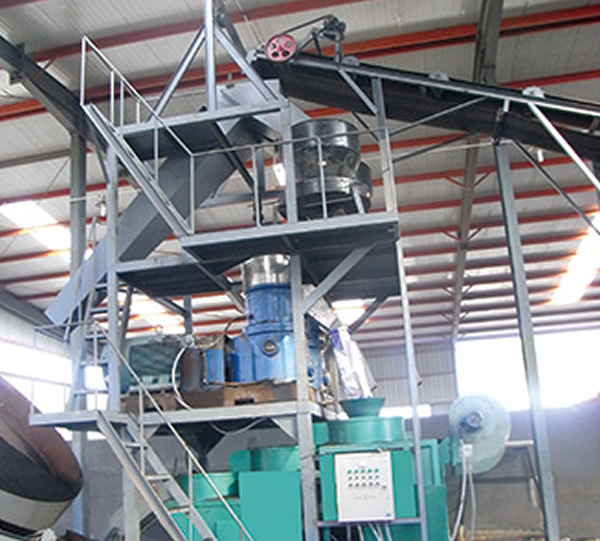
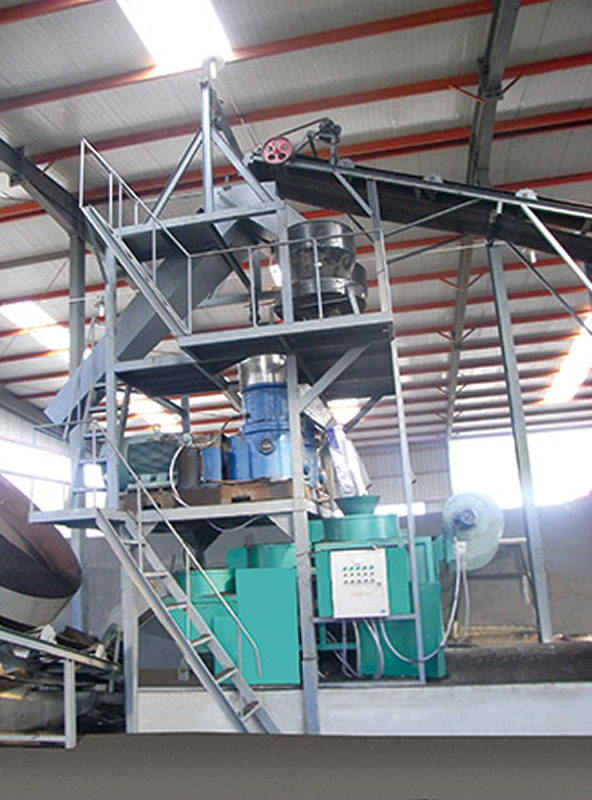
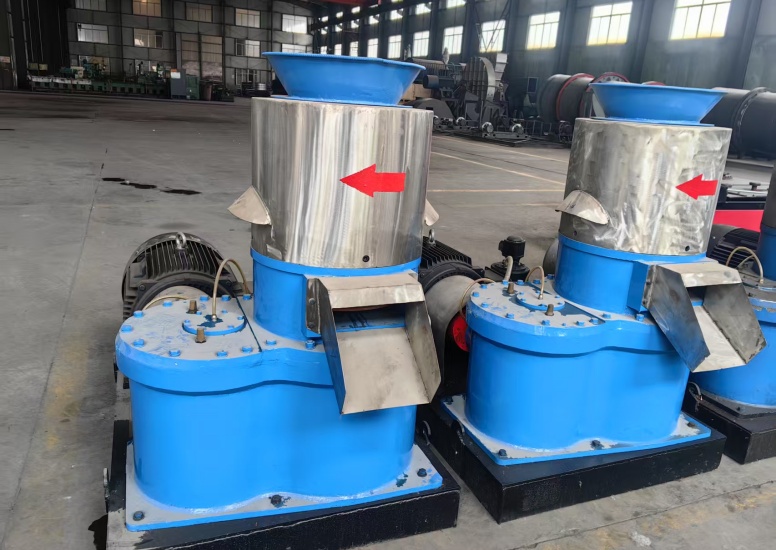
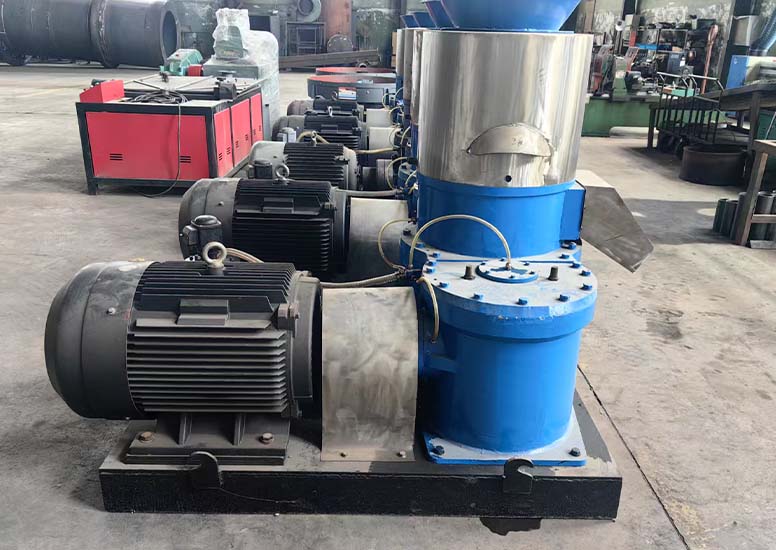
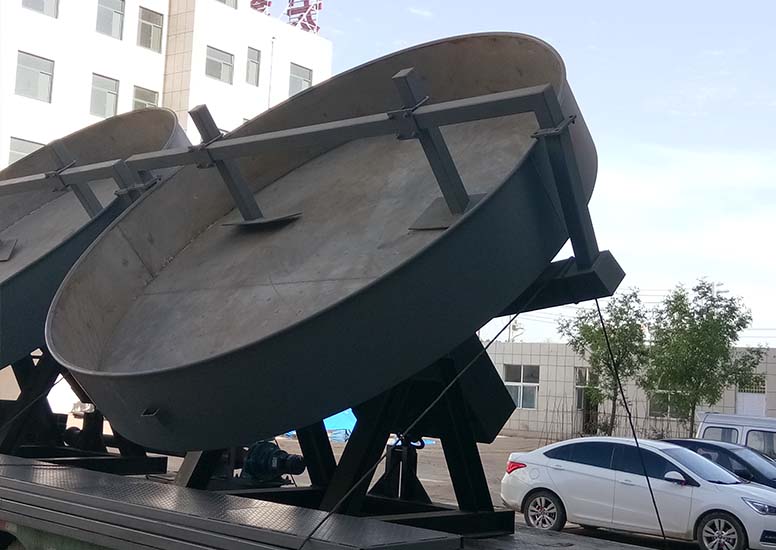
There are two forms of extrusion and throwing granulators: ① Integrated extrusion and throwing main machine (a single machine first extrudes and then rolls and shapes the inside); ② Split type production line: double roll extrusion granulator+rear round throwing machine (two devices connected in series), the split type solution is more common in organic fertilizer factories.
1. Squeezing section: Powdered organic fertilizer/organic-inorganic compound fertilizer materials are extruded by spiral or roller extrusion, first extruding strip-shaped or flattened coarse particles (wet state, with certain plasticity; both dry and semi wet methods can be used);
2. Round polishing (rolling shaping) section: Coarse particles enter the polishing chamber and rely on the internal rotation of the cylinder, friction between materials, rubbing, rolling, and grinding of edges and corners, gradually rolling into nearly spherical particles to complete shaping and polishing.
Integrated model: The same equipment can complete extrusion cutting and multi-stage rolling throwing inside, with one discharge;
Split type process: After extrusion granulation and discharge, the material is directly transported to the round throwing machine for shaping.
Process characteristics: Between dry extrusion and wet disc granulation; No need for a large amount of water, the drying load is less than that of wet granulation using discs and drums.
Fermented animal manure, sludge organic fertilizer, bacterial residue, straw powder; Organic inorganic compound fertilizer, bio organic fertilizer; Not suitable for dry materials with particularly long fibers and extremely poor plasticity.
>Raw material requirements: The material must have a certain degree of plasticity; Fineness should be sieved through a 2-3mm sieve as much as possible; The moisture content is generally controlled within the range of 22-32% (semi wet method).
1. Particle shape improvement: solves the pain points of flat particles and multiple edges produced by ordinary double roll extrusion, resulting in a rounder finished product and better appearance;
Compared to disc granulation, it requires less water and reduces energy consumption during subsequent drying; No need for a large amount of adhesive;
3. High ball formation rate (integrated promotion can reach 90-95%; actual production of split series is generally 75-88%);
4. High particle strength, non fragile during storage and transportation, suitable for making organic fertilizers for commercial use;
5. The production line occupies less land than the drum wet granulation line.
1. It is sensitive to the plasticity of materials. If the raw material fibers are too many or too dry, the rounding effect will significantly deteriorate;
2. The maintenance cost of the integrated host is relatively high; The inner lining, hammer head, and lining plate of the polishing chamber wear out quickly and belong to vulnerable parts;
3. There is still a certain amount of return material, and after screening, the fine powder needs to be returned for re granulation;
4. The upper limit of production capacity is not as good as that of large drum wet granulation.
Selection reference for split scheme: First choose the roller extrusion host, and then equip it with PYS-700/800 round throwing machine; Small production lines commonly use 2-3t/h complete sets.
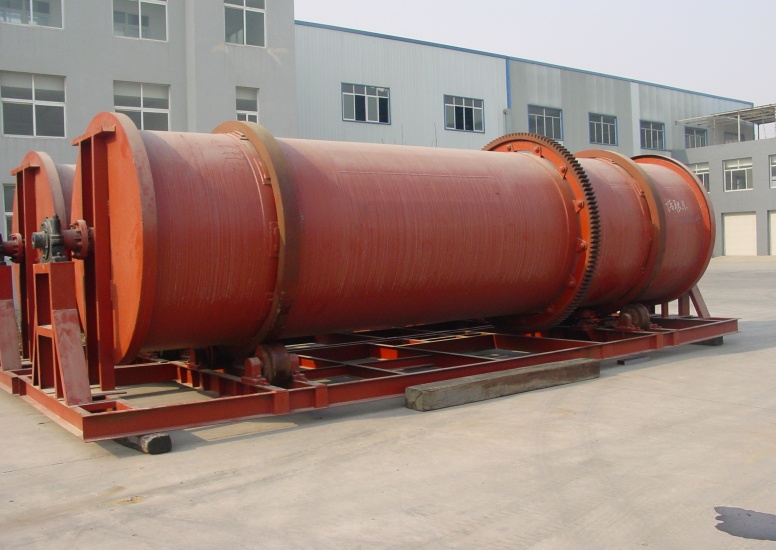
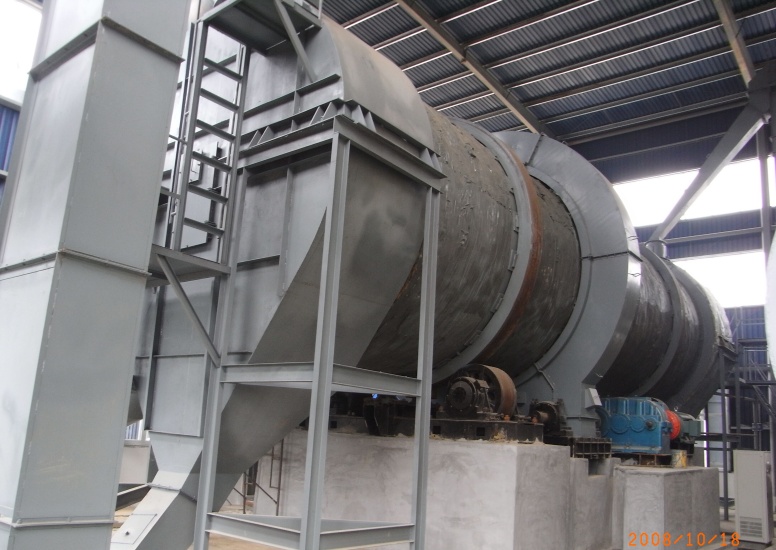
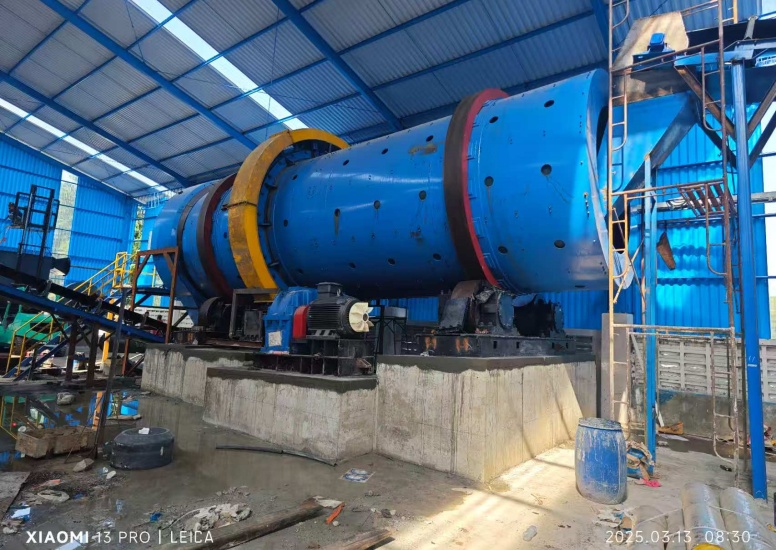
Raw material crushing → stirring and mixing → extrusion and throwing for rounding → drum screening → rotary dryer → cooling → screening → finished product packaging; The fine powder returns to the mixing process for recycling and granulation.
 WhatsApp
 Email
Email
 + 8613905485429