Professional Fertilizer Equipment, Straw Processing Equipment, Waste Processing Equipment and Mining Equipment Manufacturer.
Contact Info
Apartemen Neo Soho Lantai 10 Unit 10, Jl. Letjan S parman kav.28, Kel. Tanjung Duren Selatan Kec.
Professional Fertilizer Equipment, Straw Processing Equipment, Waste Processing Equipment and Mining Equipment Manufacturer.
Apartemen Neo Soho Lantai 10 Unit 10, Jl. Letjan S parman kav.28, Kel. Tanjung Duren Selatan Kec.
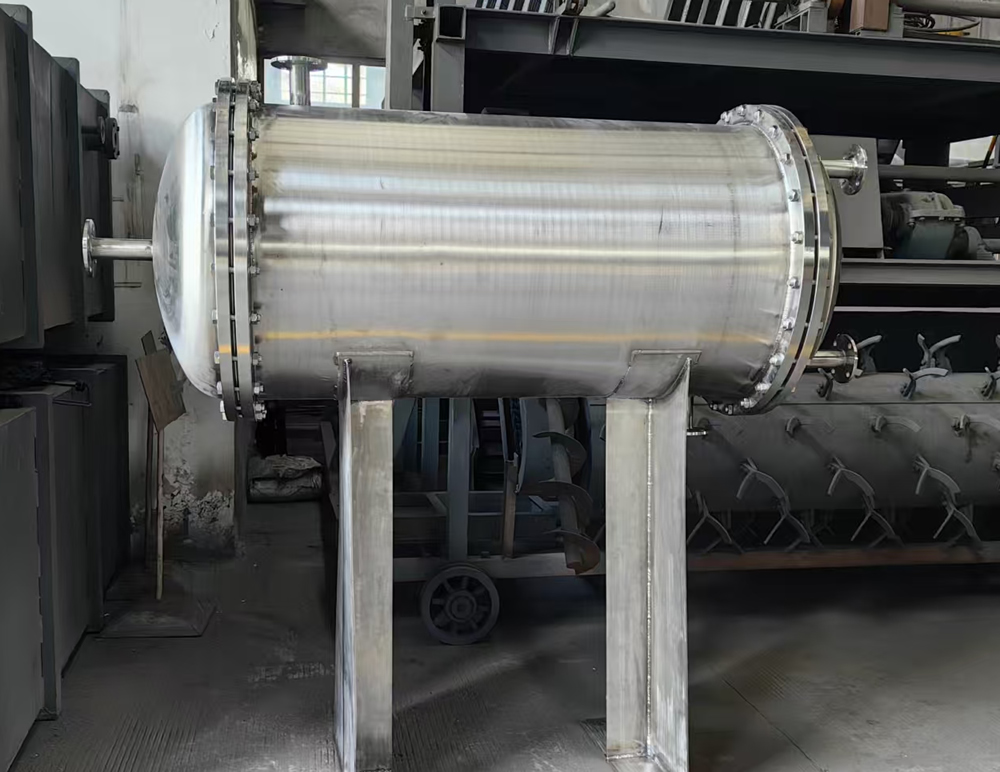
Stainless steel heat exchanger is a universal industrial heat exchange equipment that uses austenitic stainless steel (304/304L, 316L as the main heat exchange element) to achieve heat transfer between two fluids without mixing the media.
Cold and hot media are separated by stainless steel walls, and heat is conducted from high-temperature fluids to low-temperature fluids through stainless steel pipe walls/plates; Multiple counter current arrangements are used to increase the temperature difference in heat exchange, without direct contact between the medium, completing heating, cooling, condensation, and waste heat recovery.
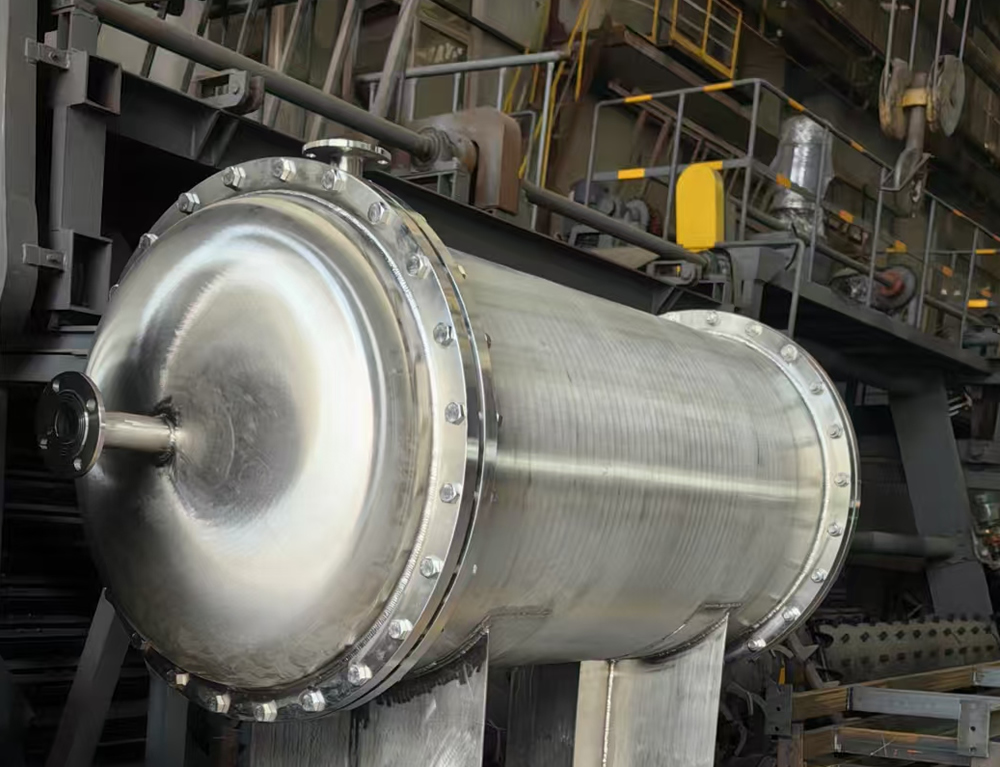
Fixed tube plate: Low cost, suitable for small temperature differences and clean media;
Floating head type: The tube bundle can be withdrawn for easy cleaning, suitable for working conditions that are prone to scaling and large temperature differences;
U-shaped tube: resistant to high temperature and high pressure, and the tube side is not easy to maintain and clean.
304/304L: ordinary water, weakly corrosive medium, food at room temperature; Not resistant to chloride ions, high chloride ions are prone to pitting corrosion, and have a high cost performance ratio.
316L: containing molybdenum, with stronger resistance to chloride ions and weak acid corrosion; Food, pharmaceuticals, seawater, and chemical weak acid systems are preferred, with prices 20-30% higher than 304; Low carbon, less prone to intergranular corrosion during welding.
Dual phase steel 2205/2507: high chloride ion, seawater, strong corrosion and harsh working conditions, high cost.
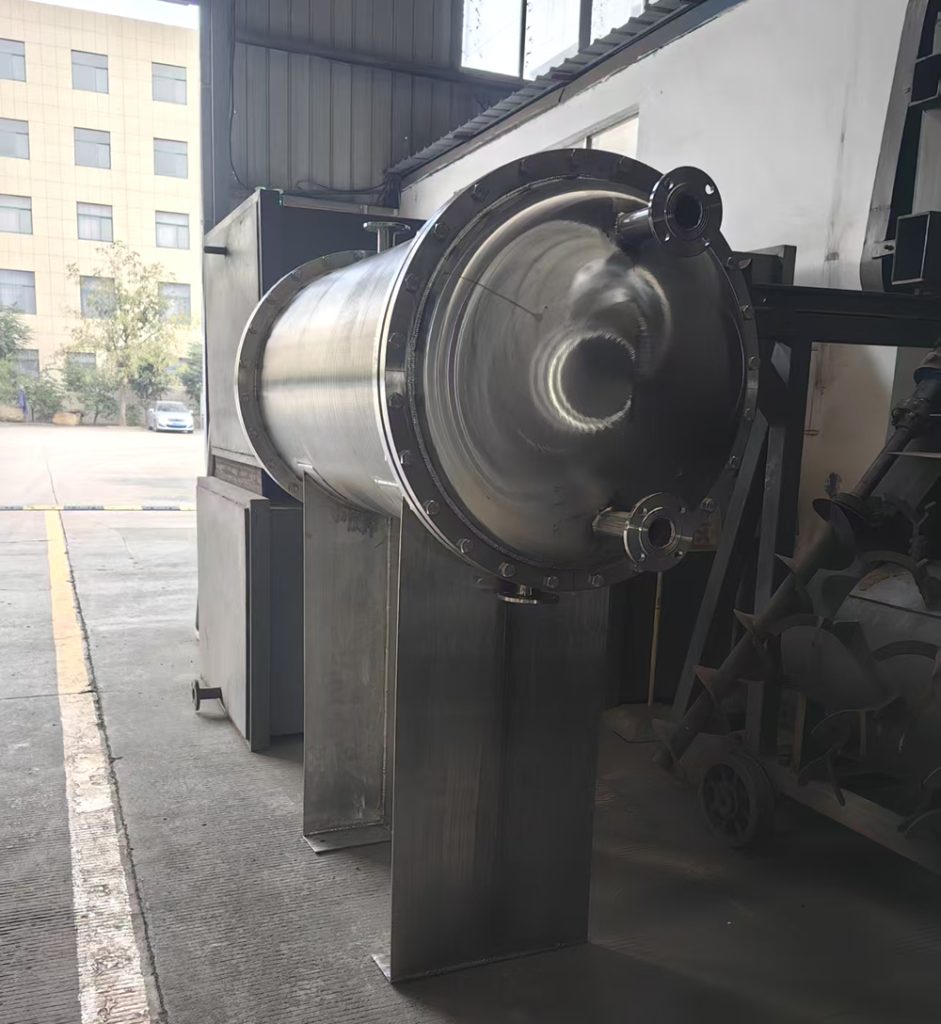
Improper selection in chloride ion environments (seawater, high salt wastewater) can lead to pitting corrosion;
Typical application areas of stainless steel heat exchangers
Food and beverage, pharmaceuticals (hygiene grade heat exchange, pasteurization)
Chemical and fine chemical industries, cooling and heating of acid-base and salt solutions
HVAC, hot water, waste heat recovery, water treatment
Environmental protection equipment, organic fertilizer/chemical production line heat exchange, condensation
Desalination of seawater, ships, oil and gas
Medium composition (chloride ion concentration), design temperature/pressure, flow rate, inlet and outlet temperatures, allowable pressure drop, susceptibility to scaling, need for disassembly and cleaning, hygiene level requirements.
 WhatsApp
 Email
 + 8613905485429