Professional Fertilizer Equipment, Straw Processing Equipment, Waste Processing Equipment and Mining Equipment Manufacturer.
Contact Info
Apartemen Neo Soho Lantai 10 Unit 10, Jl. Letjan S parman kav.28, Kel. Tanjung Duren Selatan Kec.
Professional Fertilizer Equipment, Straw Processing Equipment, Waste Processing Equipment and Mining Equipment Manufacturer.
Apartemen Neo Soho Lantai 10 Unit 10, Jl. Letjan S parman kav.28, Kel. Tanjung Duren Selatan Kec.
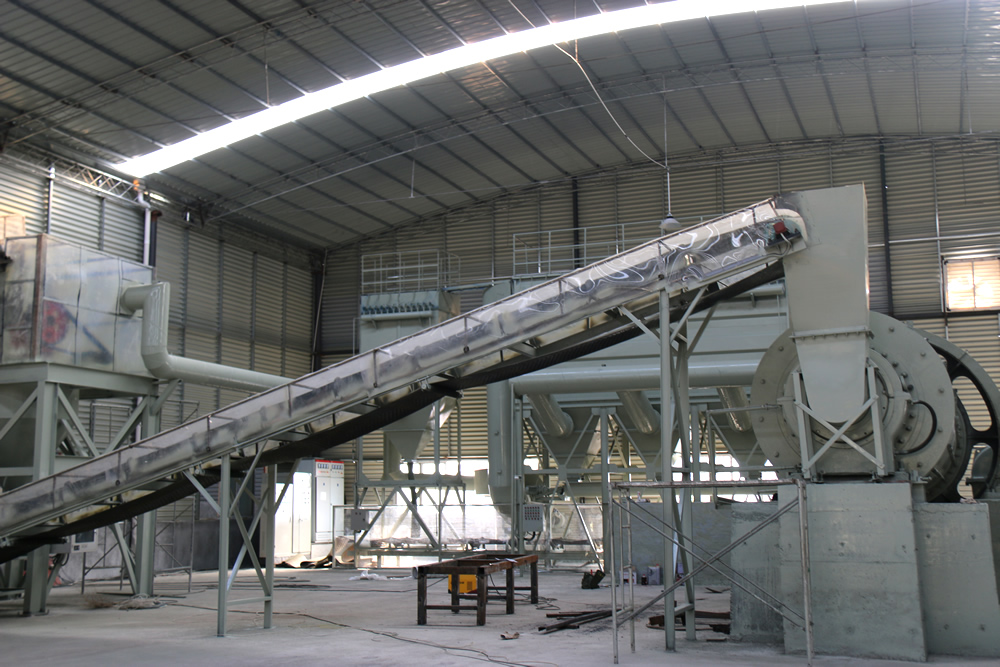
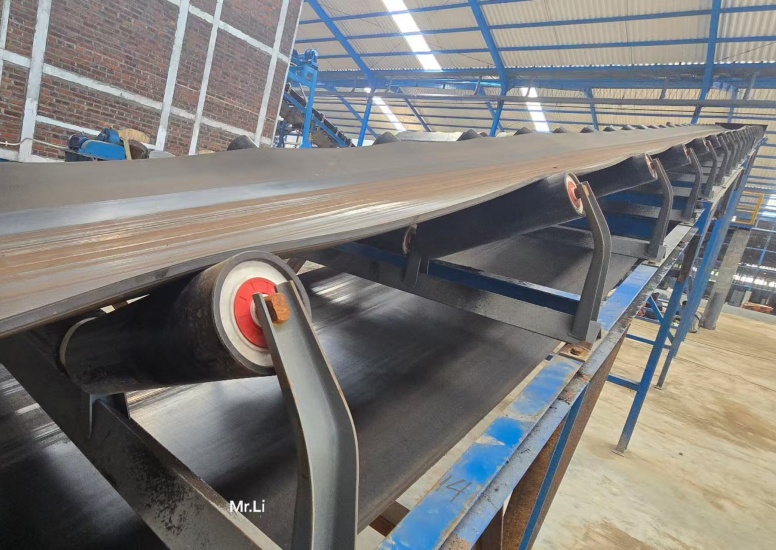
Belt conveyor, also known as belt conveyor, is a universal equipment for continuously conveying bulk and bagged materials. By relying on the motor to drive the drum to drive the circular conveyor belt to circulate, materials are smoothly conveyed along the belt, and are widely used in industries such as organic fertilizers, mining, grain, and building materials.
Working principle of belt conveyor
The motor drives the drum to rotate through the reducer, and relies on the friction between the drum and the circular conveyor belt to pull the belt to circulate; The material is placed on the upper conveyor belt and smoothly moves along with the belt to the discharge end to complete the conveying. The lower layer is the empty return section.
Core components of belt conveyor
Conveyor belt (traction+load-bearing integrated)
Rubber belts: mining, sand and gravel, organic fertilizer, coal, wear-resistant and impact resistant; Divided into ordinary canvas core and steel rope core (long-distance heavy load)
PVC/PU Lightweight Belt: Food and Packaging Production Line, Clean and Easy to Clean
Edge blocking/high angle skirt strip: prevents climbing materials from slipping off
Drum group
Drive drum: rubber coating increases friction and provides power
Change direction drum (tail): change the direction of belt rotation
idler roller
Groove type roller: for conveying bulk materials, it can hold the materials and prevent them from scattering
Flat roller: bagged or boxed finished products
Buffer roller: buffering the impact of material dropping at the feeding port; Adjusting the center roller to prevent belt deviation
Drive device: motor+reducer/electric drum, backstop (to prevent uphill shutdown and material dumping), brake
Rack: Head, tail, middle bracket, support legs, assembled with steel sections
Auxiliary devices: tensioner (tightening belt), cleaner, guide groove, dust cover, deviation/tearing/emergency stop safety protection, hopper
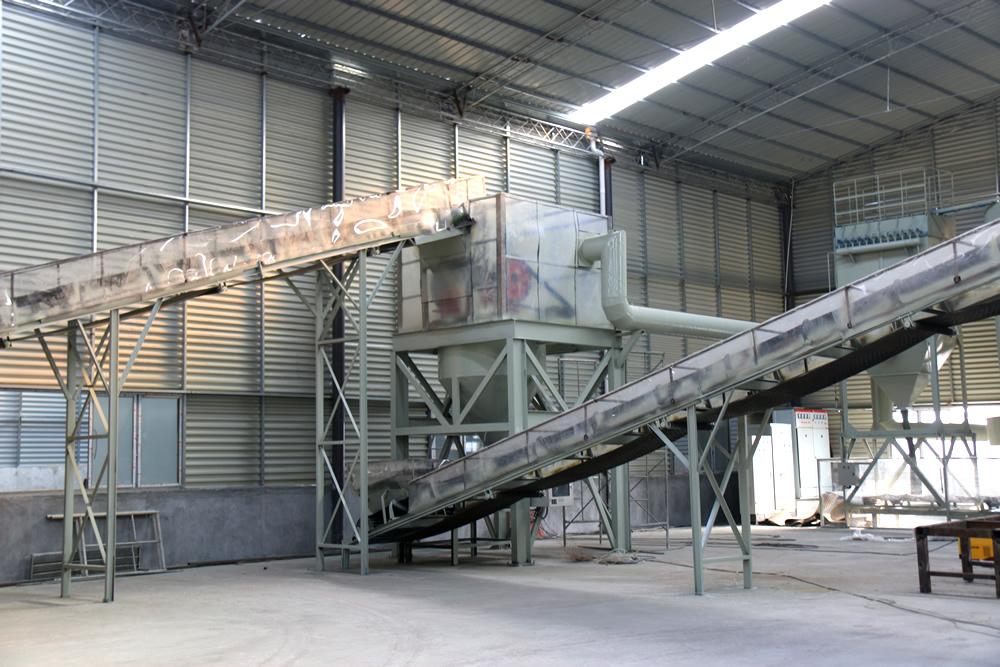
Main classification of belt conveyors
1. According to the installation form
Fixed type (DTII/DTIIA/TD75): Fixed conveying for mines, sand and gravel, organic fertilizer production lines, and factories, long-distance heavy load, national standard universal model
Mobile belt conveyor: equipped with universal wheels, adjustable for grain loading, stone transportation, and temporary loading on construction sites
Mobile lifting belt conveyor
Telescopic belt conveyor: for express loading and unloading, warehouse loading and unloading, with adjustable length
2. According to the conveying inclination angle
Horizontal belt conveyor: The material is stable and there is no scattering
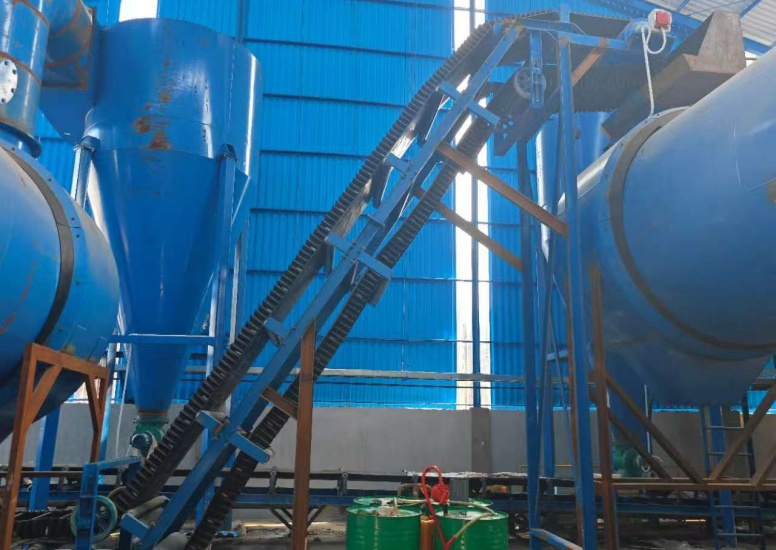
Climbing steep angle belt conveyor (wavy edge): The inclination angle can reach 30 °~90 °, saving site height
3. By purpose
Heavy duty mining belt conveyor: for ore, coal, sand and gravel, with a belt width of 800-2400mm and a conveying capacity of hundreds to thousands of tons/hour
Lightweight assembly line belt conveyor: food, packaging, electronic assembly
Tubular belt conveyor: fully enclosed, no dust on powder material
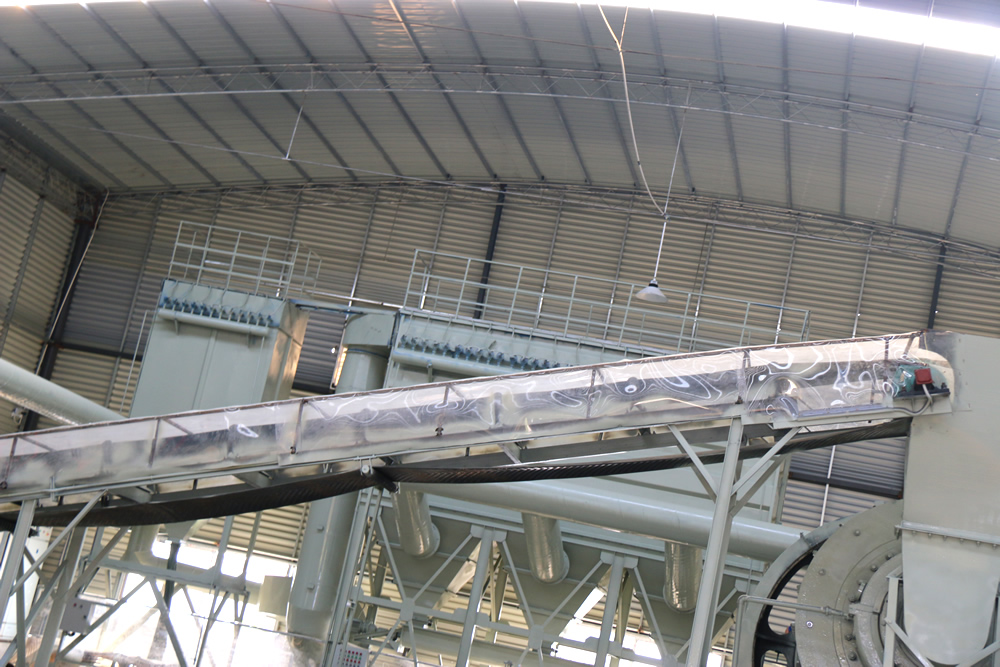
Core advantages and disadvantages of belt conveyors
Advantages
Large conveying capacity: 5-3000t/h, with a maximum length of over ten kilometers per machine
Smooth operation, minimal material damage, suitable for grains and fragile particles
Low energy consumption, low noise, and can operate continuously for 24 hours
Standardized structure, easy disassembly and maintenance
Can be arranged horizontally/obliquely, loading and unloading materials at any point along the entire line
shortcoming
Ordinary belts have limited climbing angles (flat belts ≤ 18 °), and special edge guards are required for large inclination angles
Powder materials are prone to dust during open transportation and require a sealing cover
Conveyor belts are vulnerable parts, and sharp materials such as ores wear out quickly
Unable to achieve horizontal turning, multiple docking machines are required for turning
Belt Conveyor Application Industry
Environmental protection/organic fertilizer equipment: fermentation turning and throwing support, pre – and post granulation transportation, finished product screening and transportation (the core support of the fertilizer production line you are concerned about)
Mining sand and gravel: crushing, screening, and material yard transportation
Agriculture: Grain, feed, straw transportation and loading
Chemical and building materials: transportation of cement, ceramic particles, and powder materials
Light industry assembly line: food packaging, express sorting, electronic assembly
Ports, power plants, coal storage and transportation
Key points for selecting belt conveyors
Materials: particle size, specific gravity, temperature, sharpness, stickiness, and corrosiveness
Conveying capacity, conveying length, lifting height/inclination angle
Environment: Outdoor/indoor, dust, acid and alkali, low temperature
Supporting protection: deviation switch, tear protection, material flow detection, emergency stop cable
 WhatsApp
 Email
Email
 + 8613905485429