Professional Fertilizer Equipment, Straw Processing Equipment, Waste Processing Equipment and Mining Equipment Manufacturer.
Contact Info
Apartemen Neo Soho Lantai 10 Unit 10, Jl. Letjan S parman kav.28, Kel. Tanjung Duren Selatan Kec.
Professional Fertilizer Equipment, Straw Processing Equipment, Waste Processing Equipment and Mining Equipment Manufacturer.
Apartemen Neo Soho Lantai 10 Unit 10, Jl. Letjan S parman kav.28, Kel. Tanjung Duren Selatan Kec.
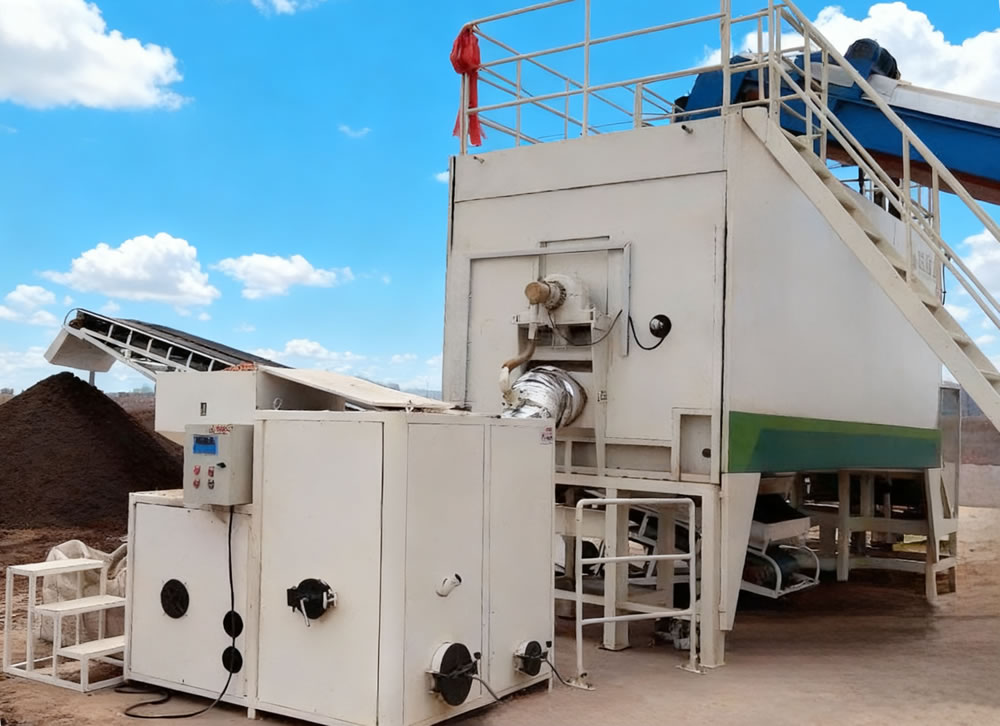
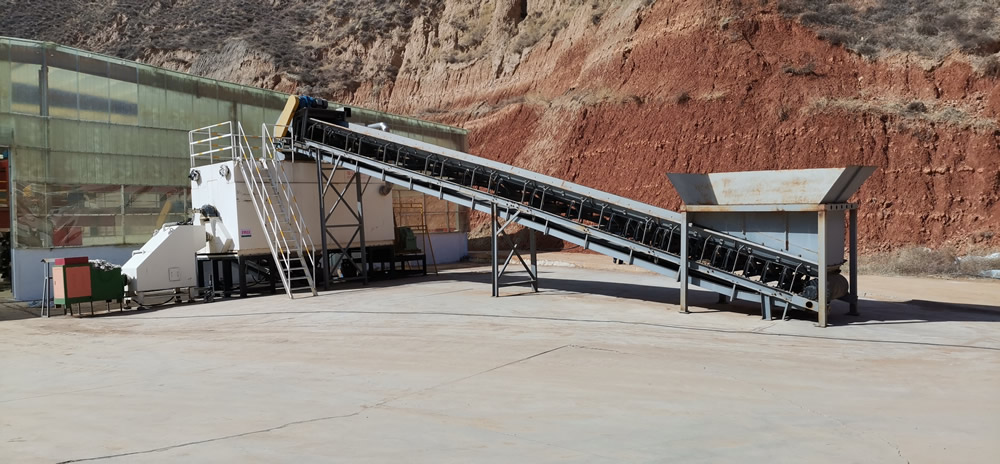
Industry standard name: Horizontal Box type High temperature Aerobic Fermentation Equipment, commonly known as Box type Fermentation Tank, Fermentation Box, Integrated Fermentation Warehouse, specialized in processing solid organic waste as organic fertilizer, different from vertical circular fermentation tanks and liquid fermentation tanks.
Fully automatic high-temperature aerobic fermentation inside a sealed box
Raw material pretreatment: adjust the moisture content of livestock manure/sludge/kitchen waste+straw auxiliary materials to 55%~65%, carbon nitrogen ratio to 25:1, and add fermentation agents;
Sealed feeding: The belt conveyor sends the material into the insulation box;
Stirring+Bottom Aeration: The main shaft spirals back and forth to flip the material, and the bottom microporous pipeline continuously supplies oxygen, eliminating anaerobic dead corners;
Self heating and maturation: Microorganisms decompose organic matter to produce heat, with a stable temperature of 55-70 ℃ inside the tank, and continuous high temperature for more than 7 days;
Harmless treatment: high temperature kills insect eggs, bacteria, and grass seeds, and the material is completely decomposed;
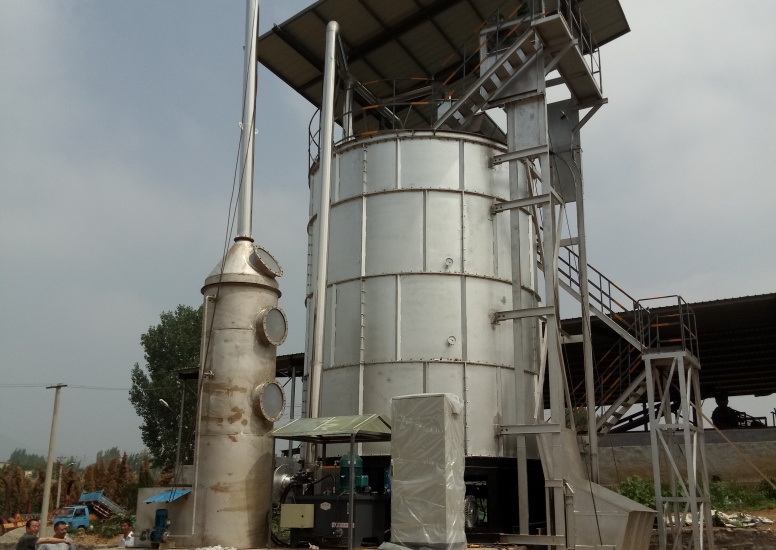
Centralized collection of exhaust gas: odor is uniformly sent to the biological deodorization tower for standard discharge;
Automatic discharge: The decomposed organic fertilizer is discharged from the tail and directly powdered or granulated.
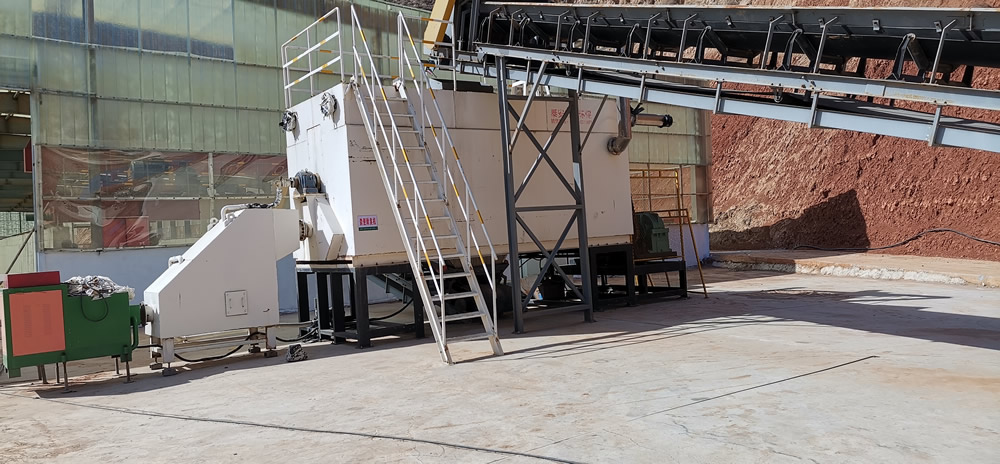
Double layer insulation box
The outer layer is made of carbon steel with anti-corrosion coating, the inner layer is made of 304 stainless steel with anti-corrosion coating, and the middle layer is insulated with polyurethane; Fermentation can still be stable in a low temperature environment of minus 20 ℃, unaffected by rain and snow weather.
Hydraulic mixing and flipping system
High power reduction motor/hydraulic drive, complete shaft spiral blade, fully loaded and heavy-duty operation, uniform material flipping without clumping, easy maintenance.
Variable frequency aeration oxygen supply system
The bottom is densely covered with microporous aeration tubes, and the PLC automatically adjusts the fan air volume according to the oxygen content, providing oxygen as needed and reducing odor generation.
Multi parameter sensing monitoring
Built in temperature, oxygen, and humidity sensors, real-time data upload, automatic linkage of ventilation, mixing, and auxiliary heating.
Integrated deodorization unit
Fully enclosed without odor overflow, combined with exhaust gas spray and biological filter for deodorization, with a deodorization efficiency of 99%, and worry free environmental impact assessment.
PLC fully automatic control cabinet
Automatic/manual dual mode, supports remote monitoring with mobile phones, single person can monitor multiple devices, and complete the entire process of feeding fermentation discharging with one click.
Livestock manure: chicken manure, pig manure, cow manure, sheep manure, duck manure
Agricultural waste: straw, mushroom residue, traditional Chinese medicine residue, fruit residue, lees residue
Solid waste treatment: municipal sludge, kitchen waste, garden branches and fallen leaves
Produce decomposed organic fertilizer and biological mattress material (cow mattress material).
Advantage:
Extremely small footprint: with the same daily processing capacity, it only occupies 1/10 of the space for tank fermentation, without the need for a large factory building, and can be placed outdoors;
Short fermentation cycle: standard 7-10 days, small and fast models require 24-72 hours to mature, and tank fermentation takes 15-30 days;
Environmentally friendly and sealed: no odor diffusion, no leachate outflow, preferred for breeding farms near residential areas;
Stable operation throughout the year: insulated box+electric auxiliary heating, which does not delay production in winter in the north;
High degree of automation: less manual labor throughout the process, automated feeding and discharging, saving labor costs;
Stable quality of finished products: temperature control and oxygen supply throughout the process, uniform material maturation, no inclusion of raw materials, and organic fertilizer compliance.
Disadvantages:
The investment in equipment procurement is higher than that in tank fermentation and stack composting;
The effective capacity of a single unit is limited, and multiple units need to be arranged in parallel for daily processing of over 100 tons.
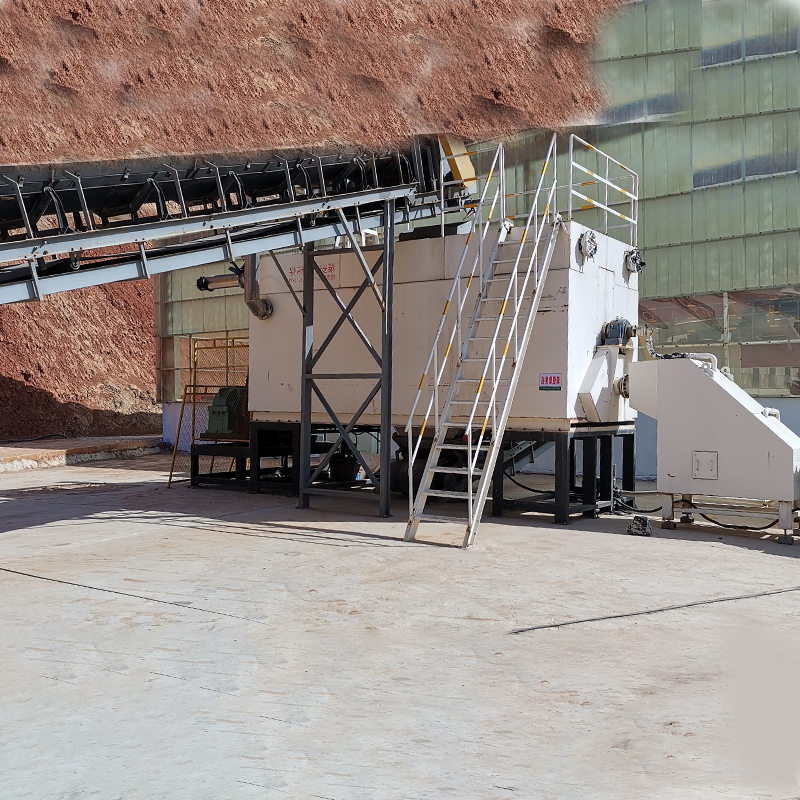
Effective volume: 5m ³, 10m ³, 20m ³, 30m ³, 50m ³, 80m ³ can be customized
Daily processing capacity (fresh manure with 70% moisture content): 3-12 tons/day per unit
Installed power of the whole machine: 12~45kw
Fermentation temperature control range: 55~70 ℃, insulation ± 2 ℃
Main material: Inner wall made of 304 stainless steel, outer frame made of carbon steel
Control mode: local PLC+mobile phone remote IoT
Raw material blending → belt feeding → closed high-temperature aerobic fermentation (stirring+aeration) → exhaust gas deodorization → automatic discharge → decomposed organic fertilizer (crushing/screening/granulation)
Urban suburban and village breeding farms (strict environmental control, no open-air manure stacking);
The site is narrow and there is no budget for building construction;
Small and medium-sized aquaculture enterprises (processing 3-10 tons of manure per day);
Township kitchen waste and municipal sludge centralized disposal station;
Organic fertilizer processing plants with strict requirements for production environment and factory odor.
 WhatsApp
 Email
Email
 + 8613905485429