Professional Fertilizer Equipment, Straw Processing Equipment, Waste Processing Equipment and Mining Equipment Manufacturer.
Contact Info
Apartemen Neo Soho Lantai 10 Unit 10, Jl. Letjan S parman kav.28, Kel. Tanjung Duren Selatan Kec.
Professional Fertilizer Equipment, Straw Processing Equipment, Waste Processing Equipment and Mining Equipment Manufacturer.
Apartemen Neo Soho Lantai 10 Unit 10, Jl. Letjan S parman kav.28, Kel. Tanjung Duren Selatan Kec.
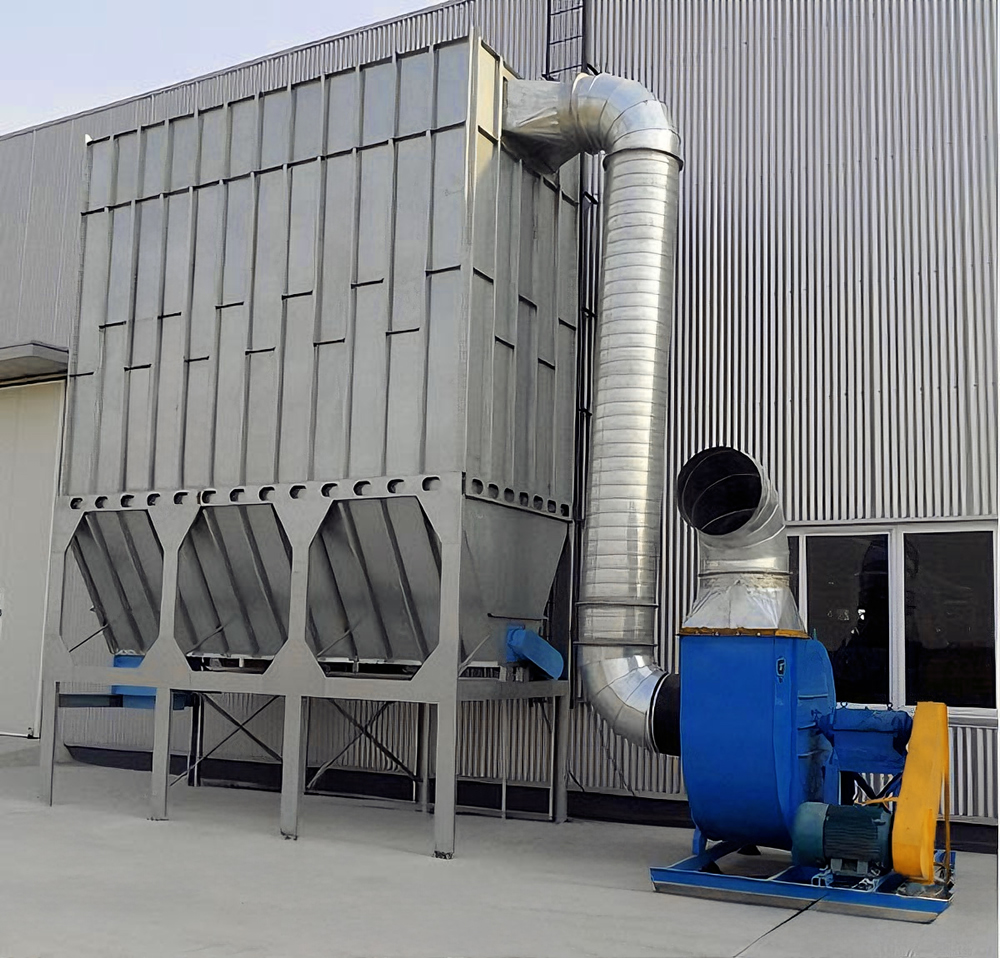
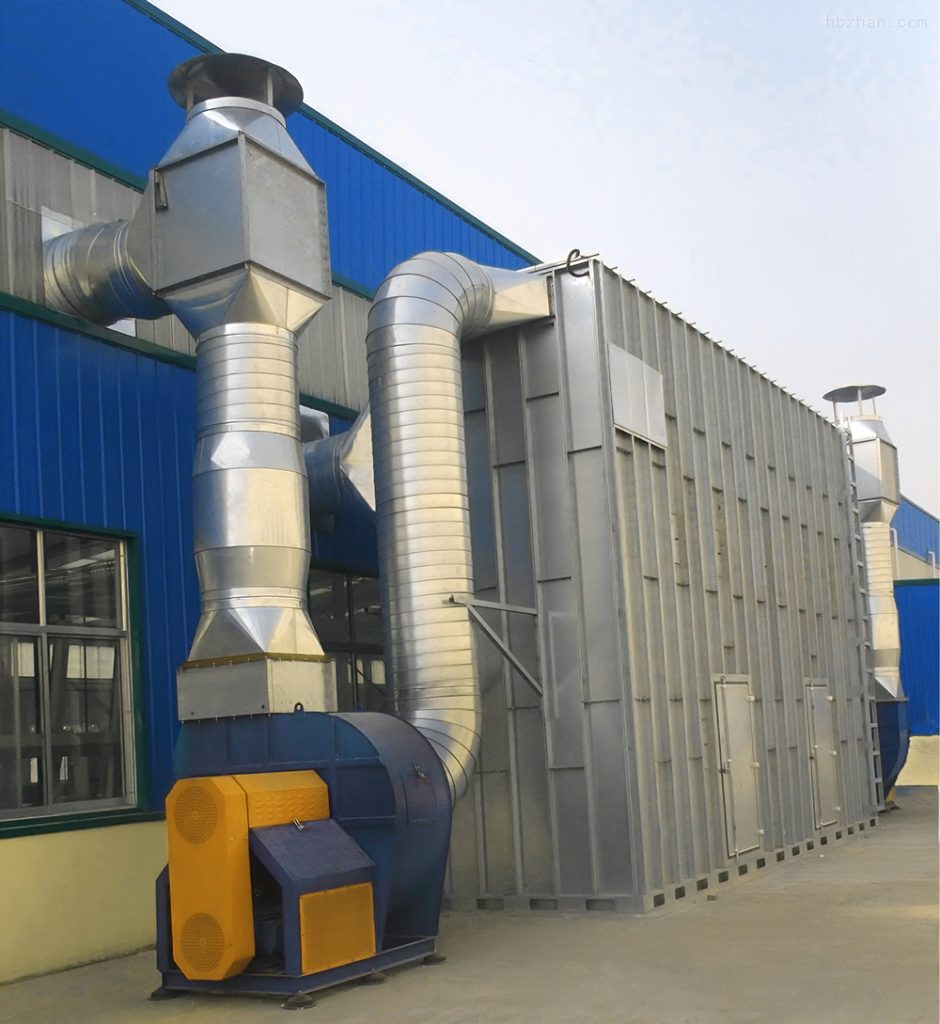
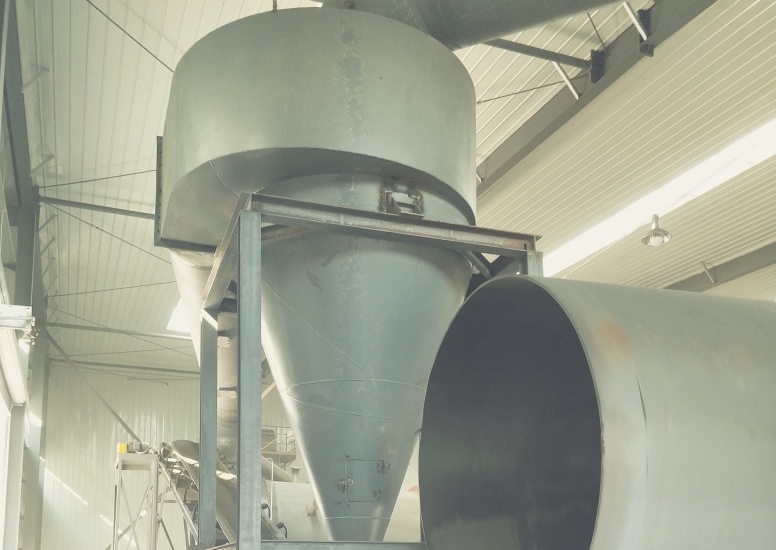
Gravity dust removal equipment is a mechanical coarse dust removal equipment that relies on the gravity of the dust itself to achieve gas-solid separation. It is only used for front-end pre dust removal and cannot be discharged separately according to standards. It is mostly used for pre-treatment of high concentration coarse dust working conditions such as boilers, metallurgy, mining, and crushing.
After the dusty flue gas enters the large settling chamber, the flow cross-section expands significantly, the airflow velocity drops sharply, and the coarse dust particles settle downward under the action of gravity and fall into the bottom ash hopper; Fine dust flows out with the airflow and enters precision dust removal equipment such as bag cyclones and electrostatic precipitators for deep processing.
Core judgment condition: Dust settling time ≤ residence time of smoke indoors before it can be captured.
Pipeline flow rate: 15-25 ms
Design flow rate of settling chamber: 0.4-1.0 ms (optimal 0.5-0.8 ms, high flow rate will blow up settled dust and cause secondary dust)
1. Mainstream types
Horizontal airflow type (most commonly used)
Smoke flows horizontally through the chamber, making installation and maintenance convenient. It is divided into three types: non baffle basic type, multi-layer baffle reinforced type, and internal baffle type (extending the airflow path and improving dust removal efficiency).
Vertical Airflow Type
The smoke flows from top to bottom and occupies a small area, making it suitable for narrow and high-temperature kiln scenes.
Wet gravity settling chamber
A water seal spray is installed at the bottom to suppress secondary dust, with slightly higher efficiency, but it generates sewage and is mostly used for simple dust removal in boilers.
2. Standard overall structure
Import and export diversion section: gradually expanding and contracting pipes, smooth rectification, reducing eddy currents;
Settlement main chamber: made of carbon steel, stainless steel, and fire-resistant steel plate, with heat-resistant materials selected for high temperature conditions;
Ash hopper: cone-shaped large capacity ash storage;
Lock air ash discharge device: star shaped discharge valve with double-layer flap valve to prevent air leakage and dust;
Inspect the dust cleaning door and temperature and pressure measuring ports.
Effectively capturing particles with a diameter of ≥ 30-50 μ m, with the best effect on coarse dust larger than 50 μ m; Dust below 5 μ m has almost no separation effect
The standard type of total dust removal efficiency is 60% to 80%; Multi layer/baffle reinforced type 75%~90%
Equipment resistance (pressure loss) is 50-130Pa, with the lowest resistance among all dust collectors and minimal energy consumption of the fan
Applicable smoke temperature is generally ≤ 120 ℃; Heat resistant customization up to 550 ℃
Processing air volume of 1000-800000 m ³/h, can be customized according to non-standard requirements
Inlet dust concentration ≤ 2200 g/m ³, suitable for high dust conditions
Minimalist structure, no filter material, no rotating moving parts, and almost no vulnerable parts;
Extremely low operating resistance, energy-saving fan, and extremely low operating cost;
High temperature resistance, wear resistance, capable of handling high concentration, large particle dry dust;
Low cost, on-site steel plate welding/brick and concrete masonry, easy maintenance and repair;
Dry collection of dust, recyclable dust, no wastewater treatment.
Pre treatment of flue gas from coal-fired heating boilers and biomass boilers;
High temperature coarse dust removal for metallurgical blast furnaces, sintering machines, and kilns;
Mining stone crushing, sand and gravel screening, and ore transportation;
Production of building materials such as cement, lime kilns, and refractory materials;
Organic fertilizer granulation, crushing and screening high dust process;
Working conditions for casting sand cleaning and polishing large particle dust.
Standard multi-stage dust removal process:
Dust production point → Gravity settling chamber (removes large coarse dust and protects backend equipment) → Cyclone dust collector → Bag filter/electrostatic precipitator (meets emission standards)
Function: To intercept sand, gravel, and large particles in advance, avoid wear and tear of whirlwinds and scratching of cloth bags, significantly reduce the dust cleaning load at the rear end, and extend the service life of fine dust removal equipment.
The airflow velocity is strictly controlled within 0.8m/s, and the larger the air volume, the larger the length and width dimensions of the settling chamber are synchronously enlarged;
The dust density is high and there are many coarse particles, so a single-layer foundation type is selected; Containing a small amount of medium to fine particles, choose the internal baffle/multi-layer baffle version;
High temperature flue gas is made of heat-resistant carbon steel and lined with a refractory layer; Corrosive dust is made of 304/316 stainless steel;
The ash hopper is designed with a storage capacity of 8-24 hours and is equipped with a sealed discharge valve to prevent air leakage;
Wet settling chamber can be used for high humidity and easily sticky wall dust, with supporting sewage treatment.
 WhatsApp
 Email
Email
 + 8613905485429