Professional Fertilizer Equipment, Straw Processing Equipment, Waste Processing Equipment and Mining Equipment Manufacturer.
Contact Info
Apartemen Neo Soho Lantai 10 Unit 10, Jl. Letjan S parman kav.28, Kel. Tanjung Duren Selatan Kec.
Professional Fertilizer Equipment, Straw Processing Equipment, Waste Processing Equipment and Mining Equipment Manufacturer.
Apartemen Neo Soho Lantai 10 Unit 10, Jl. Letjan S parman kav.28, Kel. Tanjung Duren Selatan Kec.
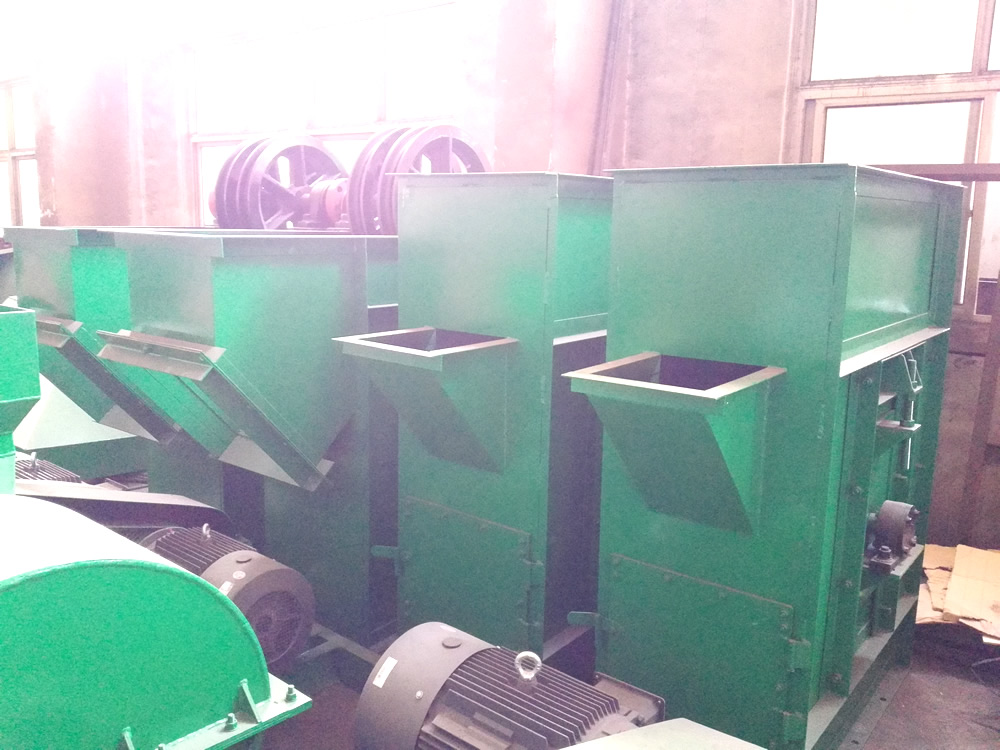
Bucket Elevator, commonly used in industry, is a closed conveying equipment that vertically and continuously transports powder, particles, and small scattered materials. It is very commonly used in organic fertilizer, compound fertilizer, sand and gravel, grain, cement, and powder production lines.
The motor and reducer drive the head wheel, and the traction components (belt/chain) rotate in a circular manner. The bottom hopper scoops the material, which is then lifted to the top and flipped around the head wheel. The material is discharged by centrifugal force/gravity, and the empty bucket returns to the bottom for cyclic feeding. The whole machine is enclosed and has less dust.
Centrifugal: High speed, suitable for flowable powders and small particles (commonly used in TD)
Gravity type: low-speed, sliding by its own weight, anti crushing, suitable for large and fragile materials (commonly used in NE and TH)
Hybrid: Balancing both, most commonly
Head (drive+discharge port), middle barrel (standard section), tail (tension+feed port), hopper, traction component, drive device, tension mechanism, anti deviation/anti reverse device
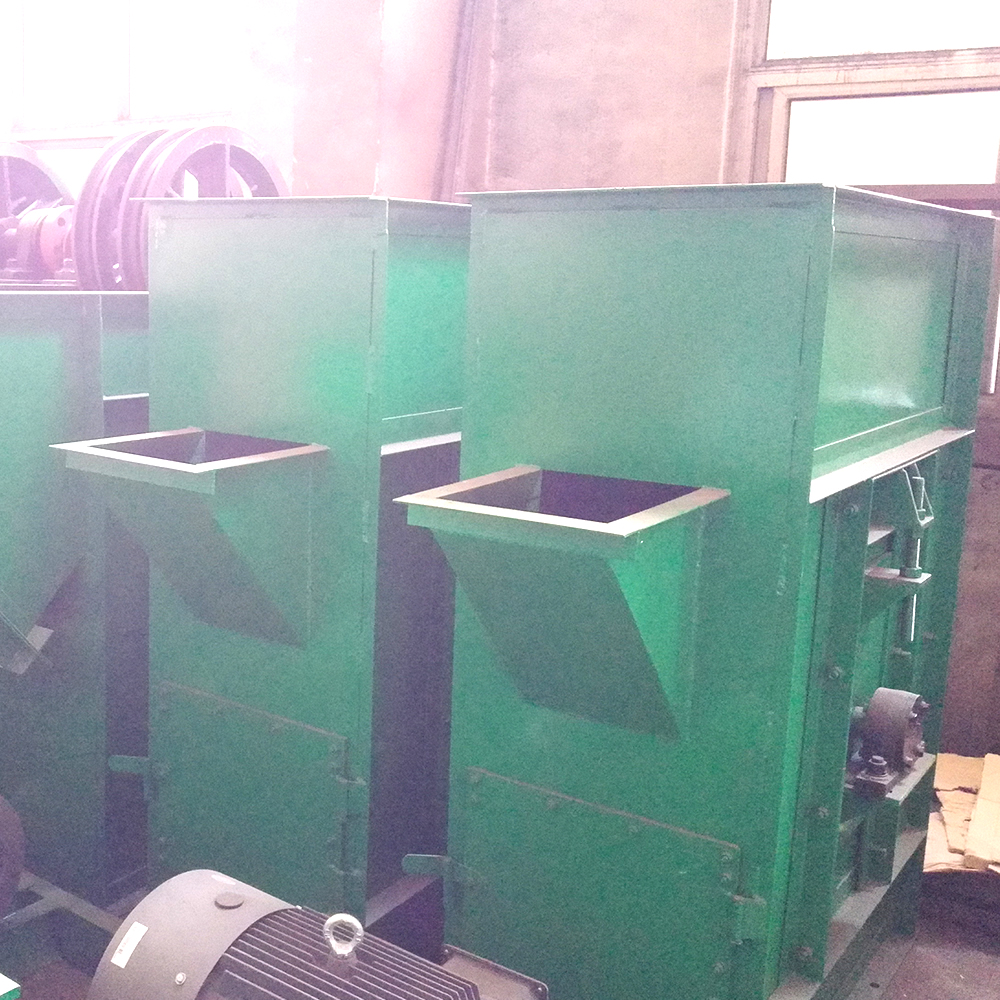
Advantages: Small footprint, large vertical lifting height (up to 40m+), sealed dust-proof, continuous conveying
Disadvantages: It is easy to block large, sticky, and prone to clumping materials; Chains/belts and hoppers are vulnerable parts that require regular maintenance
Z-type hoist: multi-point feeding and discharging, food and granular materials, anti crushing
Reciprocating hoist (box hoist): used for conveying cardboard boxes, pallets and whole goods, and for storage assembly lines
Mine hoist: wire rope winch, used for transporting people and ore in mines, not the same as bucket elevator
Organic fertilizer production lines are generally equipped with NE plate chains (fermented granular and block organic fertilizers) and TH ring chains (powdered organic fertilizers), which are connected to crushers, screening machines, coating machines, and material feeding bins.
 WhatsApp
 Email
 + 8613905485429