Professional Fertilizer Equipment, Straw Processing Equipment, Waste Processing Equipment and Mining Equipment Manufacturer.
Contact Info
Apartemen Neo Soho Lantai 10 Unit 10, Jl. Letjan S parman kav.28, Kel. Tanjung Duren Selatan Kec.
Professional Fertilizer Equipment, Straw Processing Equipment, Waste Processing Equipment and Mining Equipment Manufacturer.
Apartemen Neo Soho Lantai 10 Unit 10, Jl. Letjan S parman kav.28, Kel. Tanjung Duren Selatan Kec.
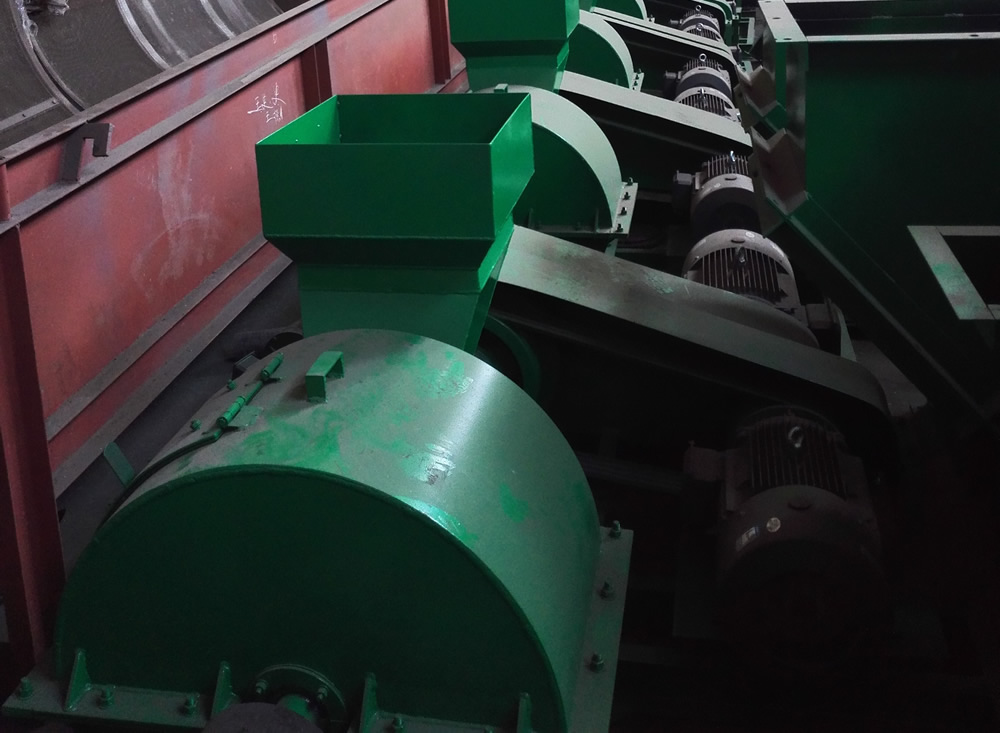
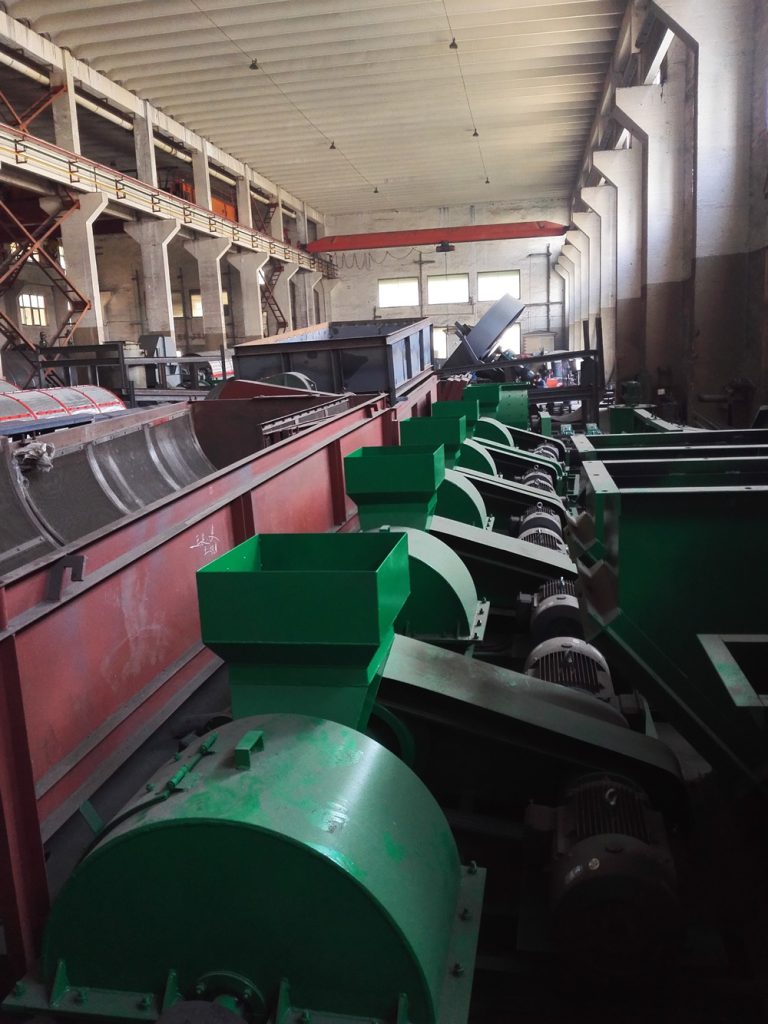
Cage crusher belongs to the horizontal impact fine crushing equipment, which is a commonly used model for breaking up clumped fertilizers, finely crushing fertilizers, and crushing returned materials in organic fertilizer and compound fertilizer production lines.
The double rotors are nested inside and outside, with the inner and outer cages driven by two motors to rotate in opposite directions at high speed; The material is fed from the center and passes through multiple layers of staggered steel cage bars from the inside out. It is repeatedly subjected to impacts, impacts, and particle self crushing. Qualified powder material falls from the cage gap under centrifugal force and is discharged, while coarse material continues to be crushed by impact.
Rack, casing, feeding hopper, inner cage rotor, outer cage rotor (wear-resistant steel rod), two independent drives (motor+pulley), discharge port; Optional bag dust removal and spiral discharge device.
Vulnerable parts: cage bars (steel pins), can be replaced directly after wear and tear, with simple maintenance
Fragile materials such as urea, monoammonium, diammonium, potassium chloride, potassium sulfate, compound fertilizer lumps, organic-inorganic compound fertilizers, bentonite, kaolin, etc;
Attention: The main product is to break down brittle materials into small pieces, which is not suitable for high viscosity and large wet manure (wet manure is preferred for semi wet material crushers). The conventional moisture content is ≤ 10%; Some improved models can handle about 15% in a short period of time, and high moisture content can easily cause cage sticking and machine blockage. Discharge fineness: adjustable from 40-120 mesh, commonly used for ingredient preparation, raw material preparation before granulation, and rework of clumping.
1. Simple structure and small footprint, many models do not require a concrete foundation and can be connected to electricity in place
2. Good dispersing effect, with both crushing and mixing functions, evenly crushing clumped fertilizers
3. Sealed well, can be matched with dust removal, and dust can be controlled; Easy to clean and fast to replace the cage rod
4. Smooth operation, stable fineness, suitable for continuous use in fertilizer formula production lines
Reference for conventional models of cage crushers (mainstream in the fertilizer industry)
600 type: motor 11+15kW, output 4-6 t/h
Type 800: Motor 15+22kW, output 6-10 t/h
Cage crusher: brittle fertilizer clumping, urea and ammonium dispersion, dry material priority, high fineness; Afraid of high humidity and sticky materials
Semi wet material crusher: Fermented organic fertilizer, chicken manure, and cow manure (containing 25-40% water), anti clogging, not suitable for hard chemical fertilizers
Double roll crushing machine: crushing by squeezing, with less powder and more particles, mostly used for shaping the returned particles
1. It is strictly prohibited for iron or stone blocks to enter the machine, as they may directly break the cage rod
2. It is necessary to do a good job of rotor dynamic balance. The balance difference of high-speed models will cause severe vibration and damage to bearings
3. Regularly check the wear of the cage rod and the lubrication of the bearings during continuous use; Stainless steel material is optional for corrosion prevention in humid working conditions
4. Feed evenly and do not add too much material to keep the car stuck
 WhatsApp
 Email
 + 8613905485429