Professional Fertilizer Equipment, Straw Processing Equipment, Waste Processing Equipment and Mining Equipment Manufacturer.
Contact Info
Apartemen Neo Soho Lantai 10 Unit 10, Jl. Letjan S parman kav.28, Kel. Tanjung Duren Selatan Kec.
Professional Fertilizer Equipment, Straw Processing Equipment, Waste Processing Equipment and Mining Equipment Manufacturer.
Apartemen Neo Soho Lantai 10 Unit 10, Jl. Letjan S parman kav.28, Kel. Tanjung Duren Selatan Kec.
Execution standard: GB 18485-2014 “Pollution Control Standard for Municipal Solid Waste Incineration”
Complete equipment: feeding system+incineration host+waste heat system+flue gas purification+slag discharge and ash conveying+automatic control system
1. Mechanical grate incinerator
Processing capacity: 150-1200t/d
Job: Push garbage to the reciprocating grate, dry → burn → burn off in sequence; Primary air supply from the grate, secondary air supply to the furnace; Furnace temperature ≥ 850 ℃, flue gas retention ≥ 2s, decomposition of dioxins.
Advantages: Native garbage can be directly fed into the furnace without crushing; Continuous and stable operation; The mainstream of domestic urban waste incineration plants.
Disadvantages: High temperature wear of grate plates, high cost of spare parts, and large overall investment.
Applicable: Urban and county waste incineration power generation projects.
2. Circulating fluidized bed incinerator
Processing capacity: 50-500t/d
Job: Quartz sand is used as a heat carrier to generate fluidized boiling by blowing air; After crushing the garbage, it is put into use and mixed thoroughly with high-temperature sand for combustion.
Advantages: Full combustion, can co burn sludge and general industrial solid waste; No motion grate.
Disadvantage: Garbage must be broken; Large amount of fly ash; The fan consumes high power; Quartz sand loss.
Applicable: Industrial parks, collaborative disposal of garbage and sludge.
3. Thermal decomposition gasification incinerator (small integrated machine/container type)
Processing capacity: 0.5-30t/d
Job: Combustion chamber anaerobic pyrolysis produces combustible gases; Combustible gas enters the secondary combustion chamber for high-temperature combustion, with a temperature of ≥ 850 ℃ and a residence time of ≥ 2s.
Advantages: Small footprint, fast installation, low investment, suitable for dispersed locations.
Disadvantage: Limited processing capacity per set, high requirements for operational management.
Applicable to: townships, rural areas, scenic spots, and small transfer stations.
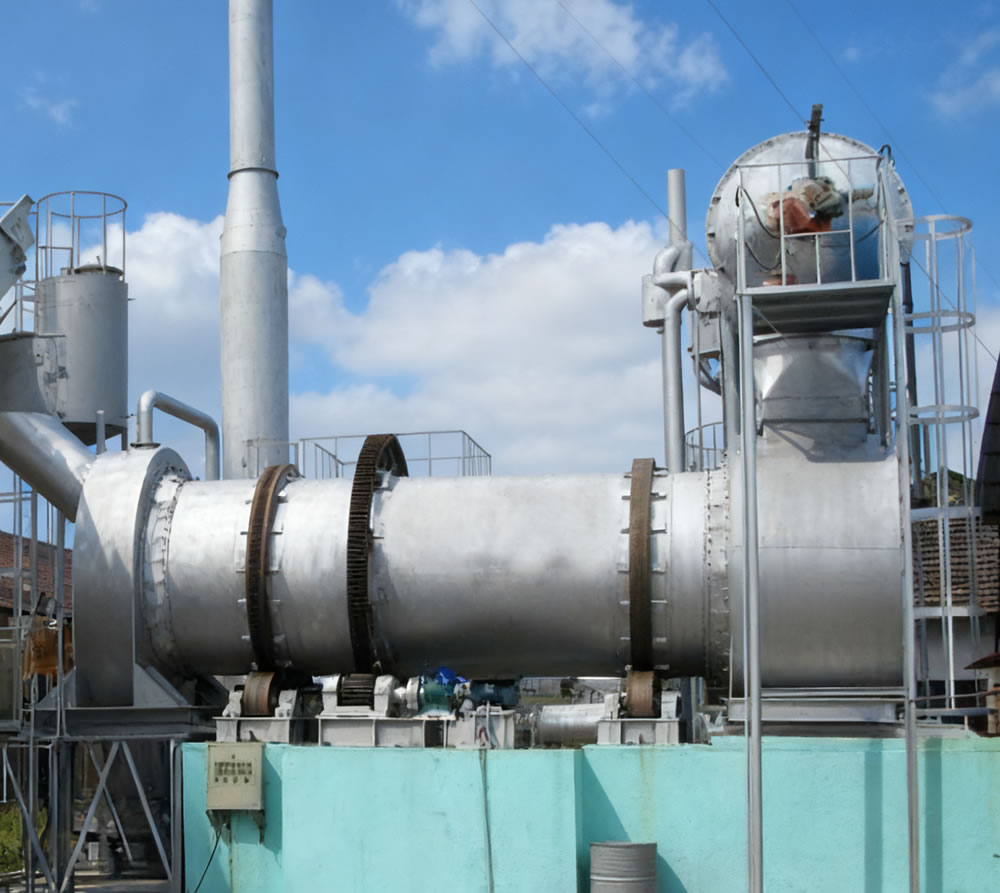
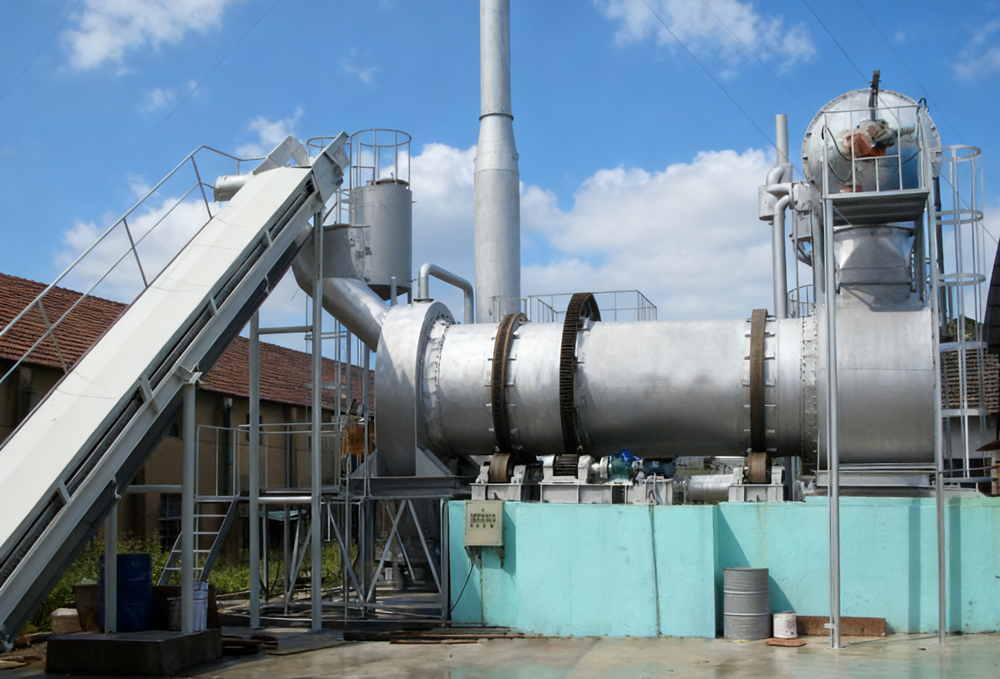
4. Rotary kiln incinerator
Processing capacity: 5-150t/d
Job: Tilt the cylinder and rotate it at low speed, causing the material to roll forward and burn, and supporting the secondary combustion chamber.
Advantage: Strong adaptability to large and viscous materials.
Disadvantages: The equipment is bulky, difficult to seal, and expensive.
Applicable: hazardous waste, medical waste, sludge; Rarely used for ordinary household waste.
Feeding System
Material pit, garbage grab crane, hopper, pusher, leachate collection, deodorization system.
Waste heat recovery system
Waste heat boiler, steam drum, economizer, air preheater; Produce steam for power generation and heating; Small devices can be used for hot water heat exchange.
Smoke purification system (environmental core)
SNCR denitrification: spraying ammonia/urea to remove NO ₓ
Semi dry deacidification: lime spray neutralization SO ₂ HCl
Activated carbon injection: adsorption of dioxins and heavy metals
Bag filter: remove dust and fly ash
Optional configurations: SCR deep denitrification, wet deacidification, flue gas whitening, flue gas online monitoring
Fly ash belongs to hazardous waste and must be solidified and stabilized for disposal; If the slag detection is qualified, bricks and roadbed fillers can be made.
Slag discharge and ash conveying system
Water cooled slag extractor, slag conveyor, fly ash silo, fly ash solidification equipment.
Electrical self-control system
Automatic combustion control system, regulating grate speed, primary/secondary air flow, furnace temperature, and fuel injection for combustion assistance; Data collection and remote monitoring.
 WhatsApp
 Email
Email
 + 8613905485429