
Professional Fertilizer Equipment, Straw Processing Equipment, Waste Processing Equipment and Mining Equipment Manufacturer.
Contact Info
Apartemen Neo Soho Lantai 10 Unit 10, Jl. Letjan S parman kav.28, Kel. Tanjung Duren Selatan Kec.
Professional Fertilizer Equipment, Straw Processing Equipment, Waste Processing Equipment and Mining Equipment Manufacturer.
Apartemen Neo Soho Lantai 10 Unit 10, Jl. Letjan S parman kav.28, Kel. Tanjung Duren Selatan Kec.
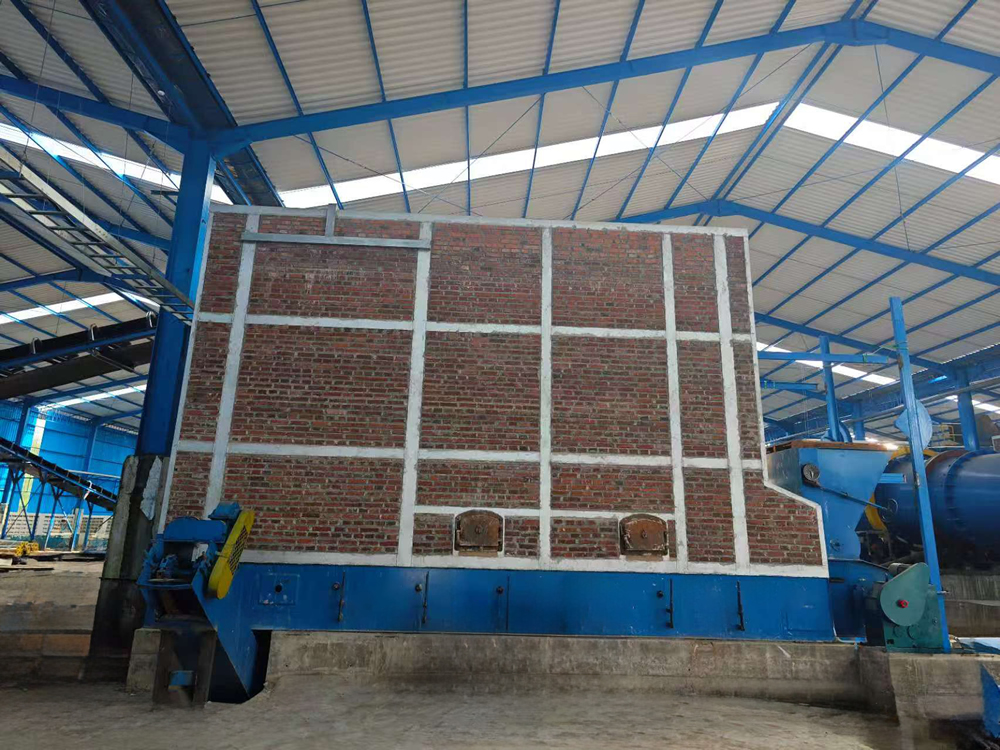
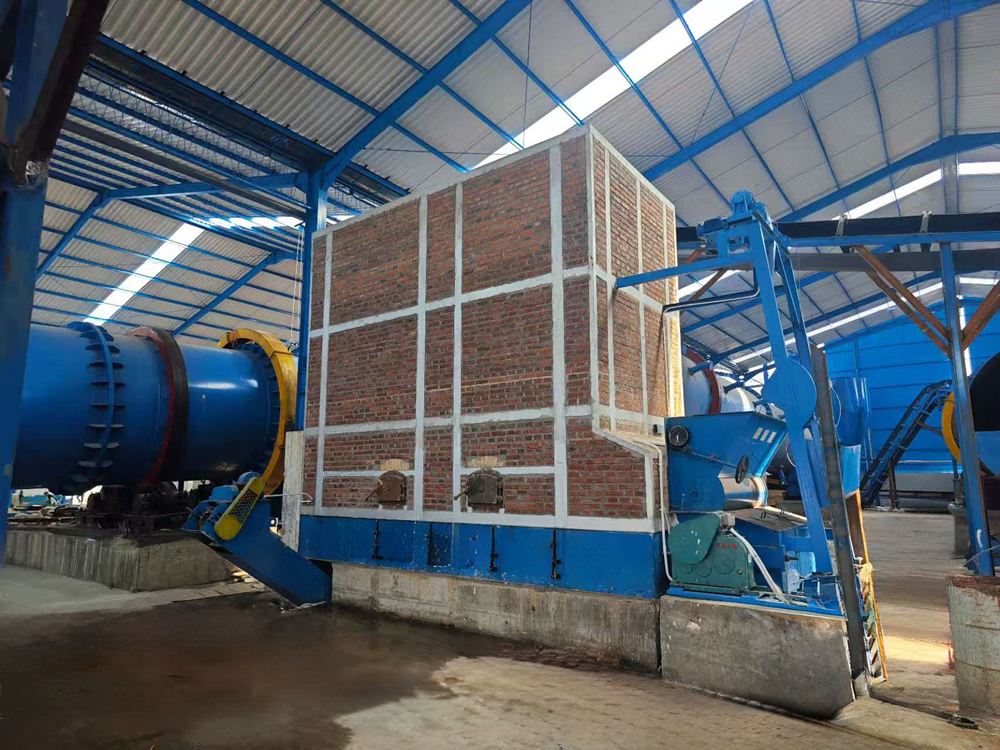
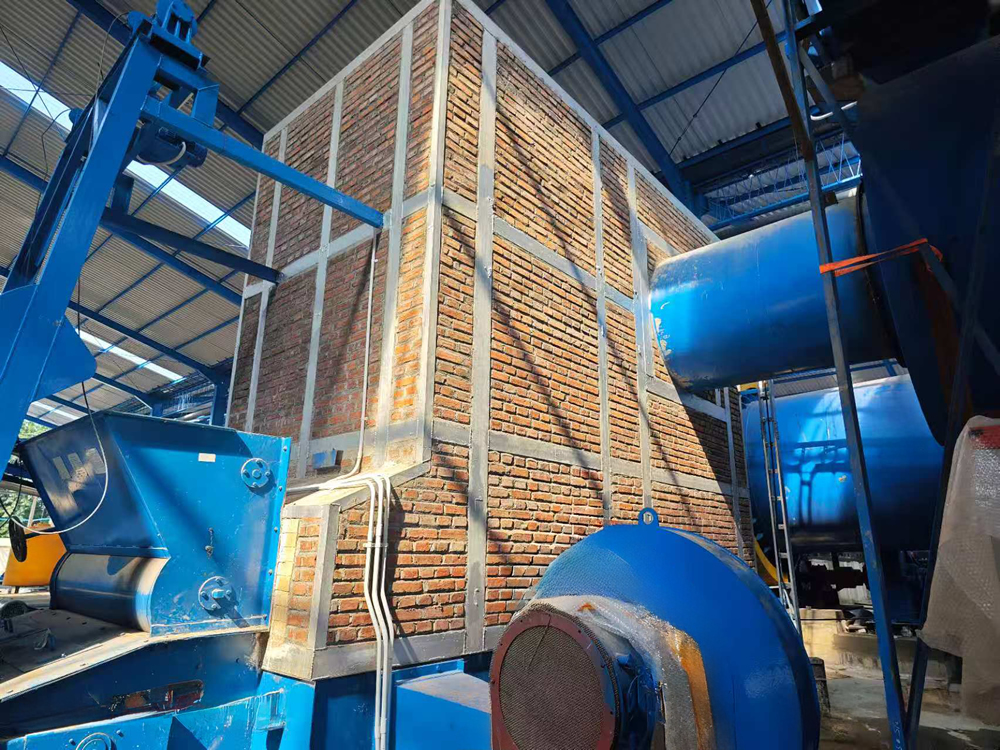
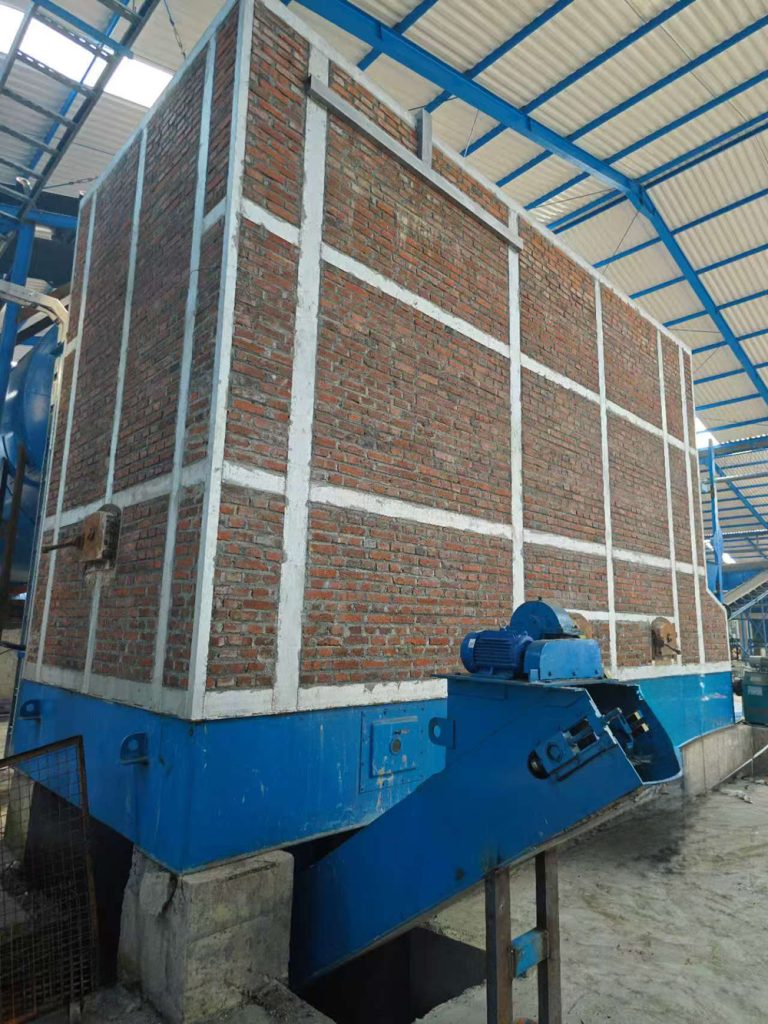
A hot blast stove is a specialized thermal equipment for producing high-temperature clean hot air, replacing steam boilers and electric heating tubes. It directly uses hot air as the heat exchange medium for drying, heating, baking, and industrial hot air supply. It is divided into two categories: civilian drying and heating type and metallurgical blast furnace specific regenerative hot blast stove.
1. Industrial universal (heat exchange type)
Cold air enters the furnace body, and fuel combustion generates heat, which is then heated into hot air through tube walls/heat pipes and sent out; Smoke and hot air can be isolated or mixed.
2. Special for blast furnace ironmaking (thermal storage type)
Relying on grid bricks/thermal storage balls for alternating heat storage operation:
Combustion stage: Blast furnace gas combustion, high-temperature flue gas heating internal lattice bricks, heat storage;
Air supply stage: Cold air passes through the hot bricks and is heated to 1000-1350 ℃ ultra-high temperature hot air, which is then sent to the blast furnace for smelting;
A blast furnace is equipped with 3-4 sets of rotating operation to achieve uninterrupted air supply.
(2) By fuel type
Coal fired hot air stove: the lowest cost, mostly used for drying agricultural products, breeding heating, and drying small and medium-sized building materials;
Gas hot blast stove (natural gas/coal gas/biogas): clean and environmentally friendly, precise temperature control, mainstream in food, chemical, and new energy industries;
Fuel fired hot air stove (diesel): portable, no dependence on pipeline network, field construction, temporary drying;
Biomass hot blast stove (sawdust, straw pellets): environmentally friendly and renewable, widely used in agricultural and animal husbandry areas;
Electric hot air stove: zero emission, clean, laboratory, precision small drying.
(3) Specialized thermal storage subdivision for blast furnaces
Internal combustion type: The combustion chamber is located inside the furnace, with low cost, suitable for small and medium-sized blast furnaces;
External combustion type: The combustion chamber is independently separated, with a long service life and stable air temperature, suitable for large blast furnaces;
Top fired type: The burner is arranged on the top of the furnace, with the optimal structure and a wind temperature of over 1300 ℃, making it the preferred choice for modern large-scale ironmaking;
Ball type hot air stove: replacing grid bricks with heat storage balls, compact in size and easy to maintain.
(4) According to the structure and appearance
Vertical hot blast stove, horizontal hot blast stove, heat pipe hot blast stove, tubular hot blast stove
Agricultural and animal husbandry food: drying of tea, tobacco leaves, fruits and vegetables, grains, aquatic products, and medicinal herbs; Pastry baking; Winter heating for greenhouses and livestock farms
Building materials and wood industry: drying of wooden boards, artificial boards, gypsum boards, fiberglass, and ceramic bodies
Chemical and pharmaceutical industries: low-temperature drying of raw materials, resins, and powder materials
Coating Hardware: Workpiece Painting and Curing, Welding Rod and Flux Drying
Textile printing and dyeing: fabric heat setting, drying and stretching
Metallurgical steel: blast furnace ironmaking (the most core large-scale application), ladle baking, metal preheating
New energy: drying and curing of lithium battery materials and photovoltaic accessories (high-precision temperature control requirements)
advantage
The heat directly reaches the end of use, with a much higher thermal efficiency than steam boilers, saving 30% to 50% energy;
No need for water circulation, no need for water treatment, normal pressure operation, simple procedures, and convenient installation;
Rapid heating and wide temperature range: freely adjustable from room temperature to 1350 ℃;
Compatible with multiple fuels, with minimal space limitations, small models can be flexibly moved.
insufficient
Long term sealed use will reduce air humidity;
High power fan models produce noise;
The flue gas of coal-fired aircraft models needs to be equipped with dust removal equipment to meet environmental protection requirements.
Food/medicine/lithium battery precision drying → indirect gas hot air stove
Grain, feed, greenhouse farming → direct combustion coal-fired/biomass hot blast stove
Temporary field operation → Diesel mobile hot air stove
Large steel blast furnace → Top fired thermal storage grid brick hot blast furnace
 WhatsApp
 Email
Email
 + 8613905485429