Professional Fertilizer Equipment, Straw Processing Equipment, Waste Processing Equipment and Mining Equipment Manufacturer.
Contact Info
Apartemen Neo Soho Lantai 10 Unit 10, Jl. Letjan S parman kav.28, Kel. Tanjung Duren Selatan Kec.
Professional Fertilizer Equipment, Straw Processing Equipment, Waste Processing Equipment and Mining Equipment Manufacturer.
Apartemen Neo Soho Lantai 10 Unit 10, Jl. Letjan S parman kav.28, Kel. Tanjung Duren Selatan Kec.
Latest news and technology on fertilizer equipment, straw processing equipment, waste processing equipment and mining equipment.
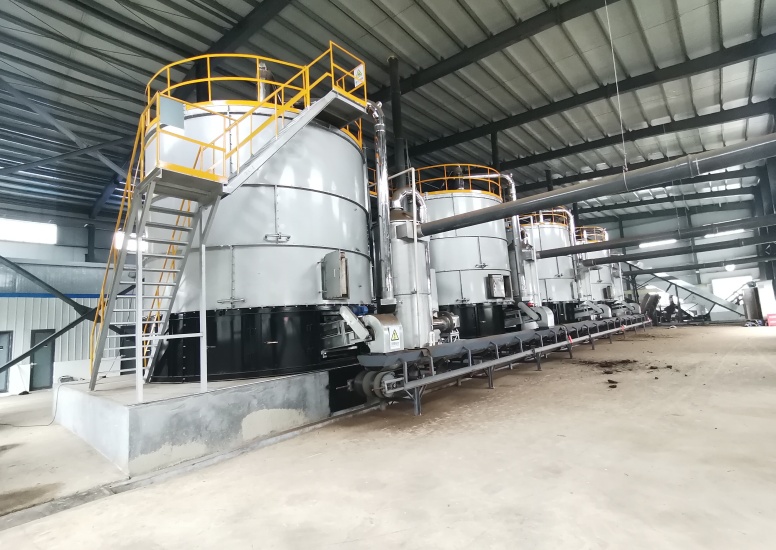
A Fertilizer Fermentation Machine is a specialized piece of equipment designed to accelerate and optimize the biological fermentation process of organic materials (such as livestock manure, crop straw, food waste, and agricultural by-products) into high-quality organic fertilizer. Its core function is to create a controlled environment that promotes the growth and activity of beneficial microorganisms (e.g., bacteria, fungi), which decompose organic matter, eliminate pathogens/odors, and convert raw materials into nutrient-rich, stable fertilizer suitable for agricultural use. 1. Core Working Principle: Guided Microbial Fermentation The machine simulates and enhances the natural decomposition of organic matter by regulating key environmental factors critical to microbial activity.…
Read More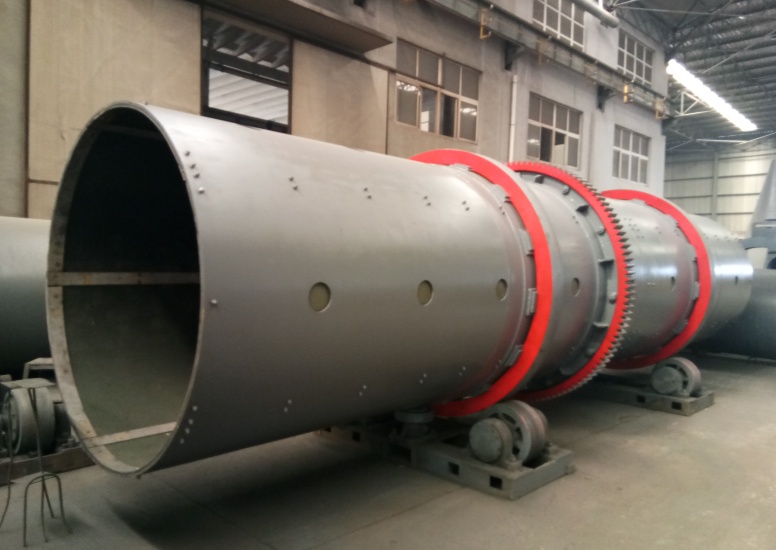
A Fertilizer Coating Machine is specialized equipment designed to apply a uniform protective or functional coating to fertilizer particles (such as granular organic fertilizer, compound fertilizer, or slow-release fertilizer). Its core purpose is to enhance the fertilizer’s performance, improve storage stability, and extend its nutrient release period—addressing issues like nutrient loss, caking, or rapid leaching in traditional uncoated fertilizers. 1. Core Functions of a Fertilizer Coating Machine The machine’s primary role is to create a thin, even coating layer on fertilizer granules through precise control of coating materials, temperature, and granule movement. Key functions include: Slow/Controlled Release: Applying coatings (e.g., sulfur, polymer…
Read More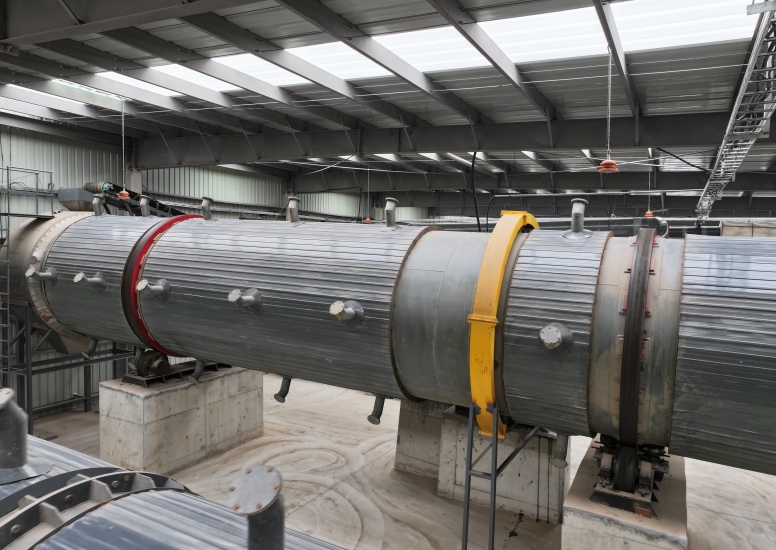
A fertilizer dryer is an industrial equipment specifically designed to reduce the moisture content of fertilizer materials. Its core function is to evaporate excess moisture from fertilizers during production (e.g., after fermentation or granulation) through heat transfer, ensuring the moisture content meets national quality standards or requirements for storage and transportation. It also improves the physical properties of fertilizers (such as preventing caking and facilitating subsequent packaging), making it a core device in the "drying section" of the fertilizer production chain. I. Core Functions of a Fertilizer Dryer Fertilizers (especially organic fertilizers and compound fertilizers) retain large amounts of moisture due…
Read More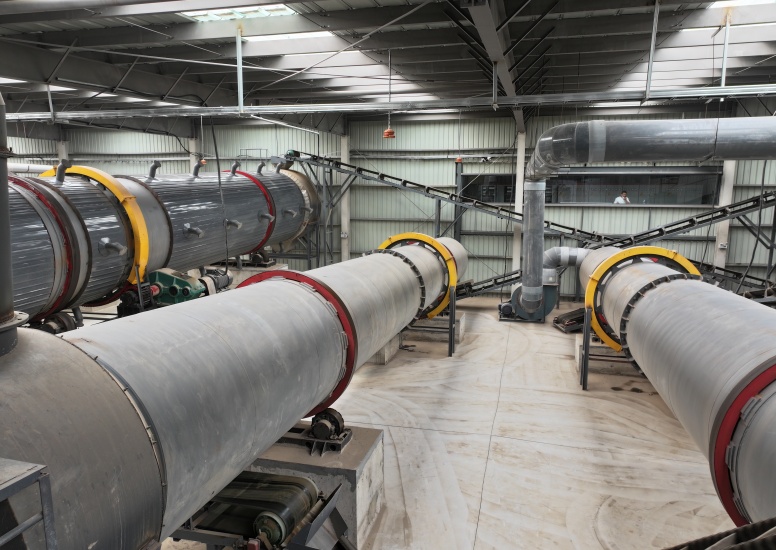
What is a Fertilizer Cooler? A fertilizer cooler is a core auxiliary equipment in the production process of granular fertilizers such as compound fertilizers and organic fertilizers. Its main function is to quickly and evenly cool down the high-temperature fertilizer granules after granulation and drying, while removing part of the residual moisture. It provides a qualified material foundation for subsequent processes such as screening, coating, and packaging, and is one of the key equipments to ensure the quality of fertilizer products and improve production efficiency. Core Functions and Working Principles of Fertilizer Coolers 1. Core Functions After being processed by…
Read More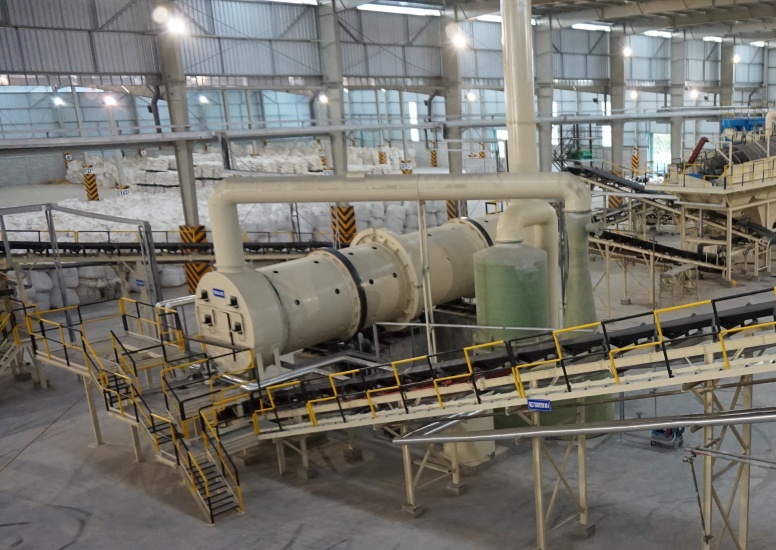
What is a compound fertilizer production line? The compound fertilizer production line is an integrated and automated equipment system that processes various raw materials such as nitrogen (N), phosphorus (P), potassium (K), and trace elements into nutrient balanced and physically stable (particle based) compound fertilizers through a continuous process (from raw material processing to finished product packaging). The core goal is to achieve "multi nutrient collaborative processing" and "large-scale, standardized production" to meet the customized fertilizer needs of different crops and soils.It is not a single device, but a combination of multiple functional units (pretreatment, batching, mixing, granulation, post-treatment, packaging,…
Read More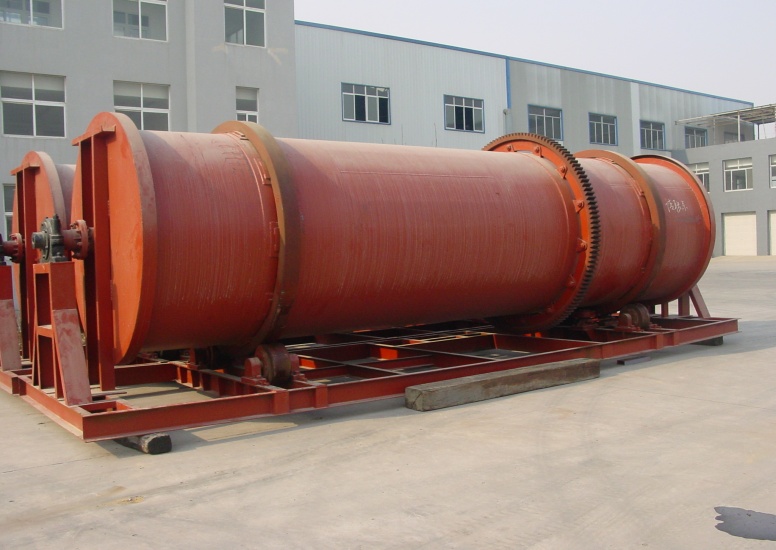
What is a Fertilizer Granulator? A fertilizer granulator is a core piece of equipment in fertilizer production. Its main function is to process pre-treated fertilizer raw materials (such as fermented livestock and poultry manure, straw, and other organic materials, or urea, ammonium phosphate, and other inorganic materials) into fertilizer granules with fixed shapes (mostly granular or cylindrical), sizes (usually 2-6mm), and hardness through physical methods. It solves the problems of raw material caking, difficult transportation, and uneven fertilization. At the same time, it makes fertilizers easier to store and use, and also enhances their market value. It is widely used…
Read More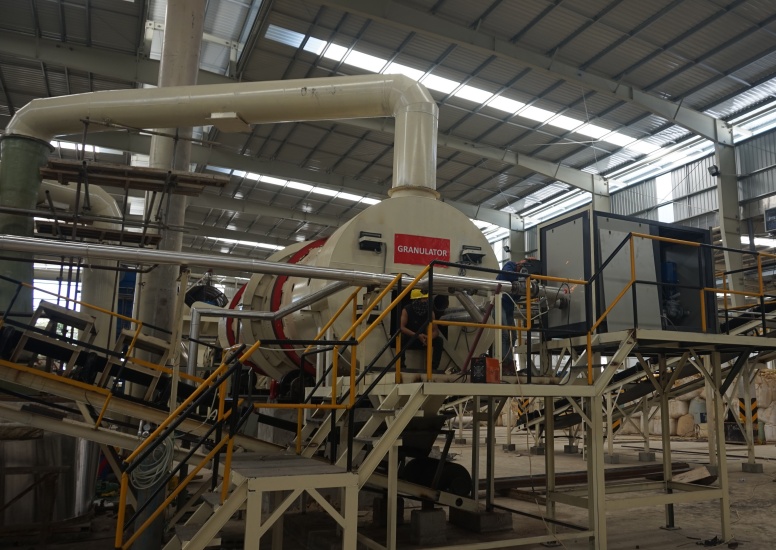
What is an Organic Fertilizer Production Line? An organic fertilizer production line is a set of equipment that processes various organic wastes through processes such as crushing, mixing, fermentation, turning, drying, screening, and packaging to produce granular or powdered organic fertilizers. The following is an introduction to its characteristics, applications, prices, purchasing considerations, and suppliers: What are the Characteristics of an Organic Fertilizer Production Line? Efficient Resource Utilization: It can fully utilize various organic wastes such as livestock and poultry manure, straw, and kitchen waste, reducing environmental pollution and saving resources. Diversified and Adjustable Products: Based on different raw materials and…
Read MoreGranular fertilizer, while offering slow-release benefits, has several disadvantages including potential for uneven application, slower nutrient release, and higher salt content that can harm plants.
Read More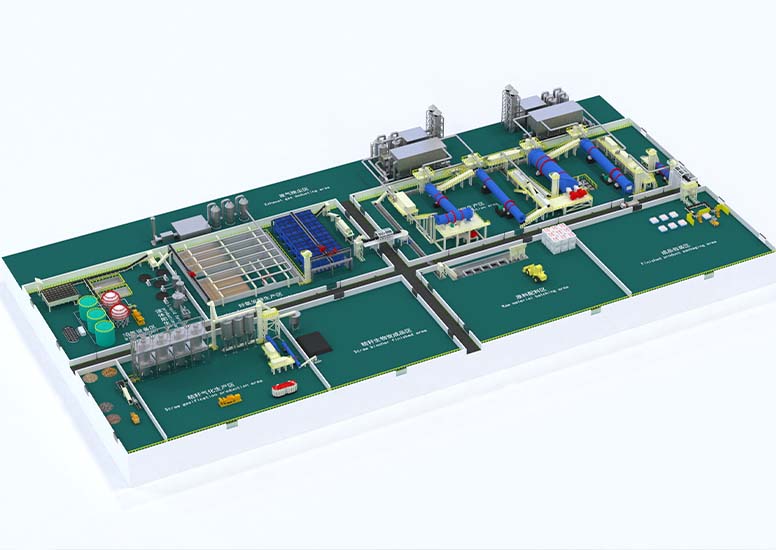
The production line for NPK granular fertilizer involves a series of processes including raw material preparation, granulation, drying, cooling, screening, and coating, ultimately leading to the final packaged product.
Read More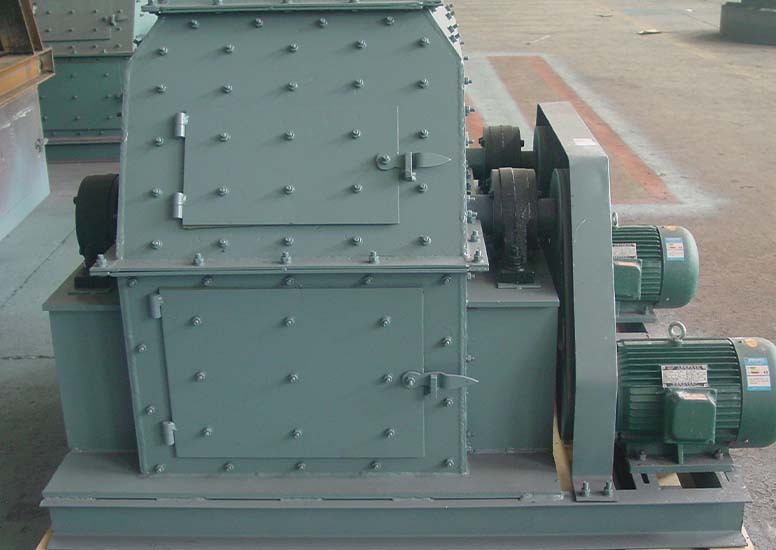
 WhatsApp
 Email
Email
 + 8613905485429