Professional Fertilizer Equipment, Straw Processing Equipment, Waste Processing Equipment and Mining Equipment Manufacturer.
Contact Info
Apartemen Neo Soho Lantai 10 Unit 10, Jl. Letjan S parman kav.28, Kel. Tanjung Duren Selatan Kec.
Professional Fertilizer Equipment, Straw Processing Equipment, Waste Processing Equipment and Mining Equipment Manufacturer.
Apartemen Neo Soho Lantai 10 Unit 10, Jl. Letjan S parman kav.28, Kel. Tanjung Duren Selatan Kec.
Latest news and technology on fertilizer equipment, straw processing equipment, waste processing equipment and mining equipment.
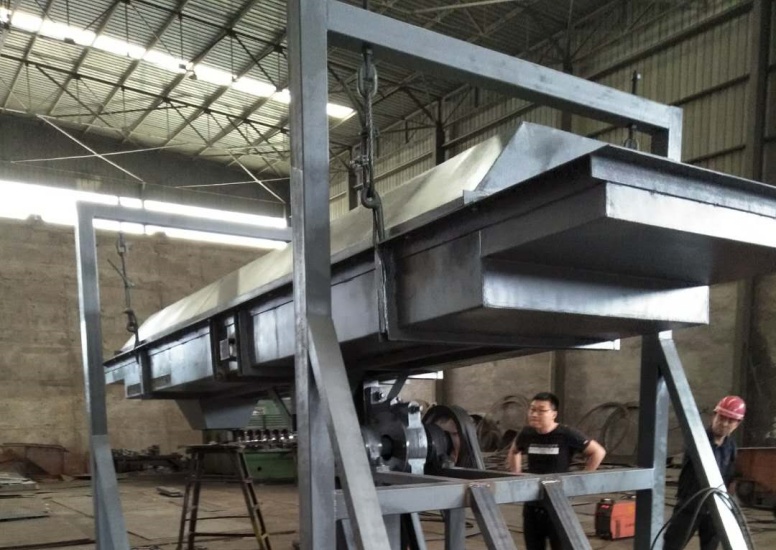
A Reciprocating Screening Machine is a type of equipment used to separate materials into different particle size grades, and its core working principle relies on reciprocating linear motion of the screen surface to achieve material classification. Reciprocating Screening Machine Core Working Principle The screen box (which holds the screen surface) is driven by a power system (usually a motor + crankshaft connecting rod mechanism) to perform reciprocating linear motion (back-and-forth movement) at a certain frequency and amplitude. When materials are fed onto the inclined screen surface, the reciprocating motion pushes the materials to move forward along the screen surface. During the movement, particles smaller than the…
Read More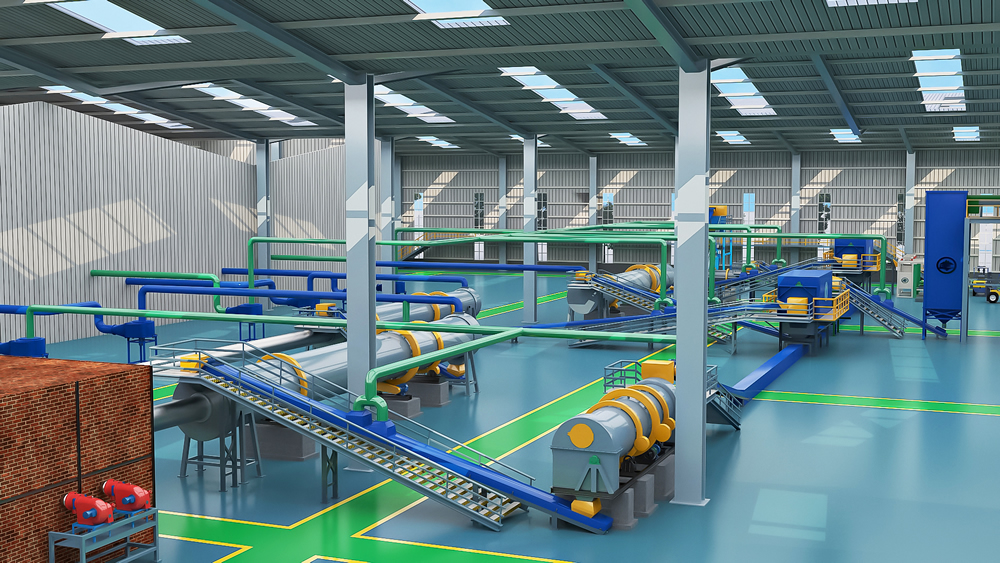
Controlled Release Fertilizer equipment is a professional mechanical system used for producing CRF fertilizers. Its core function is to form a special coating or structure on the surface of fertilizer particles through physical, chemical, or biological means, achieving precise regulation of nutrient release rate, matching it with crop growth cycle, improving fertilizer utilization efficiency, and reducing environmental pollution. Basic Definition and Classification Controlled release fertilizer equipment is mainly divided into two categories: Complete set of production equipment: According to the definition of GB/T 31201-2014 standard, it is an automated process equipment for producing compound fertilizer (slow-release) through main processes such…
Read More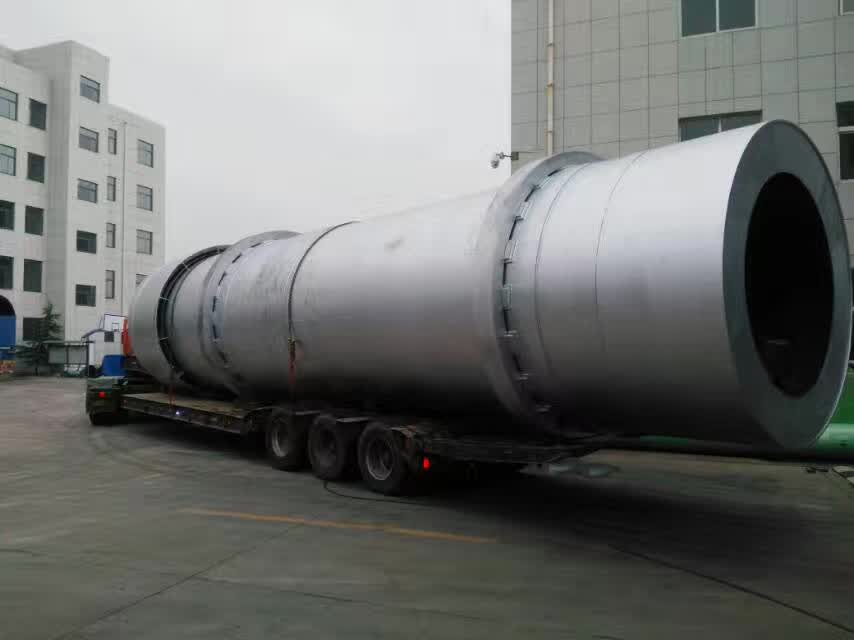
A fertilizer granulator is a core piece of equipment in fertilizer production. Its main function is to process pre-treated fertilizer raw materials (such as fermented livestock and poultry manure, straw, and other organic materials, or urea, ammonium phosphate, and other inorganic materials) into fertilizer granules with fixed shapes (mostly granular or cylindrical), sizes (usually 2-6mm), and hardness through physical methods. It solves the problems of raw material caking, difficult transportation, and uneven fertilization. At the same time, it makes fertilizers easier to store and use, and also enhances their market value. It is widely used in the production of organic fertilizers, compound…
Read More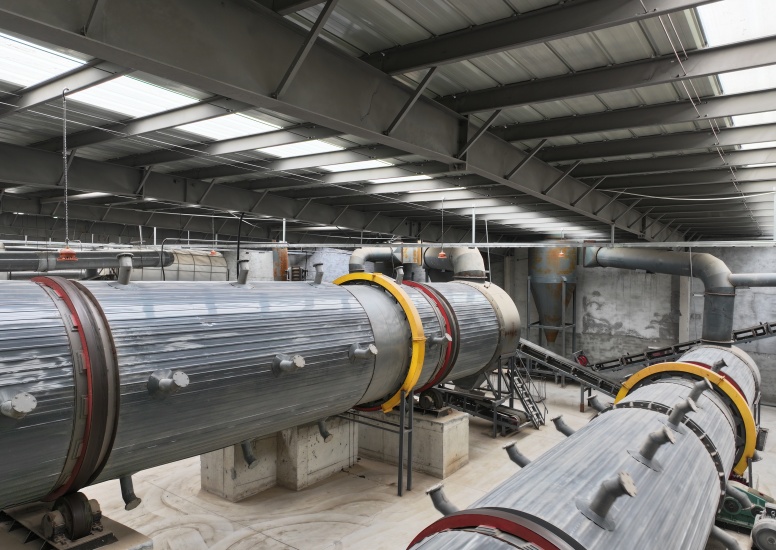
Compound fertilizer equipment is a complete set of production equipment used to process multiple nutrients (nitrogen, phosphorus, potassium, etc.) into granular, powdery, or columnar compound fertilizers. The core is to achieve raw material mixing, granulation, shaping, and post-treatment to meet the nutritional needs of different crops. Core definition and function of compound fertilizer equipment Compound fertilizer equipment is not a single machine, but a production line composed of multiple devices. Its core function is to process single element fertilizers such as urea, monoammonium phosphate, potassium chloride, organic fertilizers, minerals and other raw materials into compound fertilizer products with uniform nutrients, easy…
Read More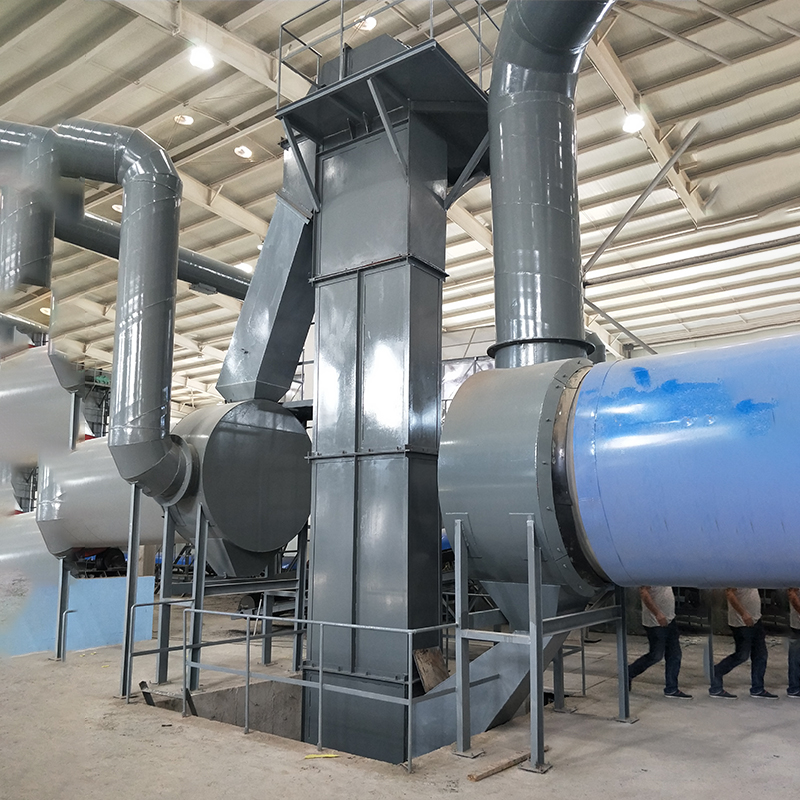
A bucket elevator is a device that continuously transports bulk materials vertically or at a large inclination angle. Its core consists of a traction component (chain/tape), a hopper, a machine head, a barrel, and a machine base. It has the advantages of small footprint, high head, and environmentally friendly sealing, and is widely used in industries such as grain, mining, building materials, and chemical engineering. Working principle of bucket elevator Material retrieval: The material flows into the bottom feeding port and is scooped up by the hopper. Enhancement: The motor and reducer drive the head wheel, which drives the traction…
Read More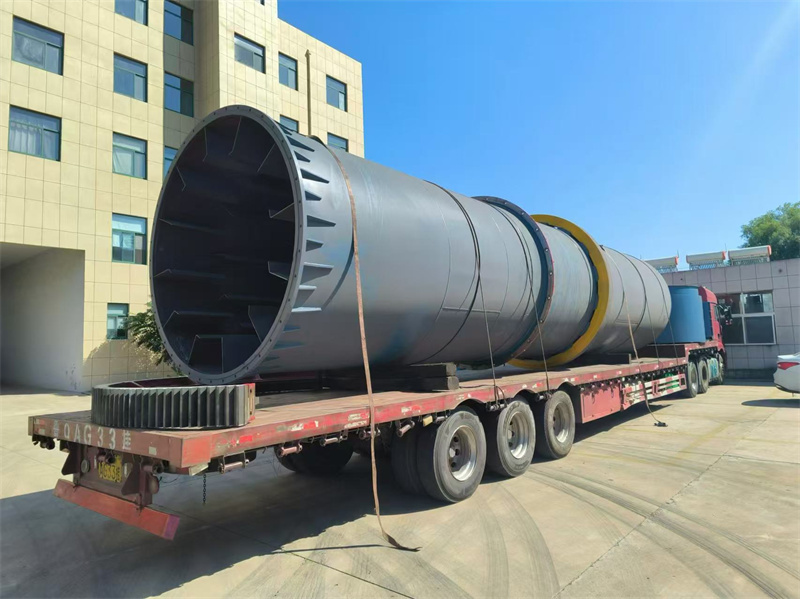
A compound fertilizer spray granulation production line is an industrial system designed to manufacture granulated compound fertilizers—fertilizers containing two or more essential plant nutrients (such as nitrogen, phosphorus, and potassium) in a single, uniform granule. This production line uses spray granulation technology, a process where liquid or slurry materials are sprayed into a granulator to form spherical granules through controlled conditions. It is widely used in modern agriculture for its ability to produce high-quality, efficient, and customizable fertilizers. Below is a detailed breakdown of its components, working principles, advantages, and applications. Compound Fertilizer Spray Granulation Production Line Key Components of the Production Line…
Read More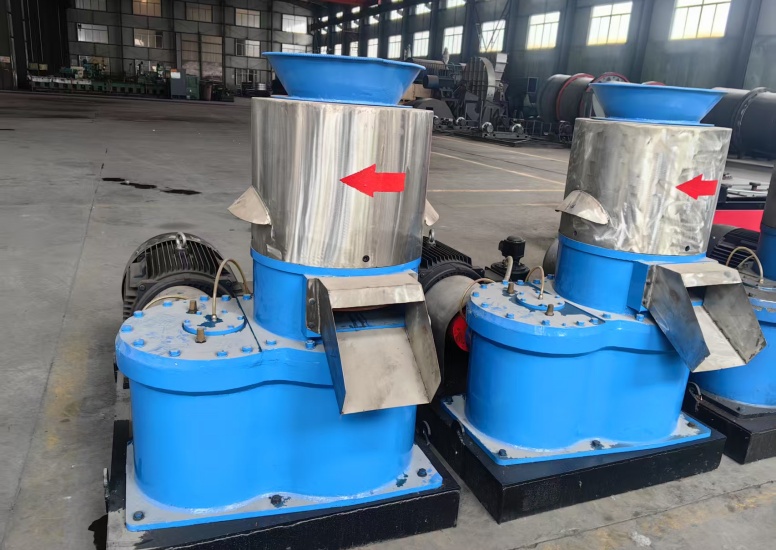
A Double Roller Extrusion Granulator is a specialized granulation device that uses the extrusion force generated by two counter-rotating rollers to compress and shape powdery materials into granules. It is widely used in the production of fertilizers, chemicals, and other industries. Double Roller Extrusion Granulator Core Working Principle Material Feeding: Powdery raw materials (such as fertilizer powder, chemical powder) are uniformly fed into the gap between the two rollers through a feeding system. Extrusion Shaping: The two rollers rotate in opposite directions at a certain speed. Under the action of high pressure, the powdery materials are compressed into dense flakes or strips.…
Read More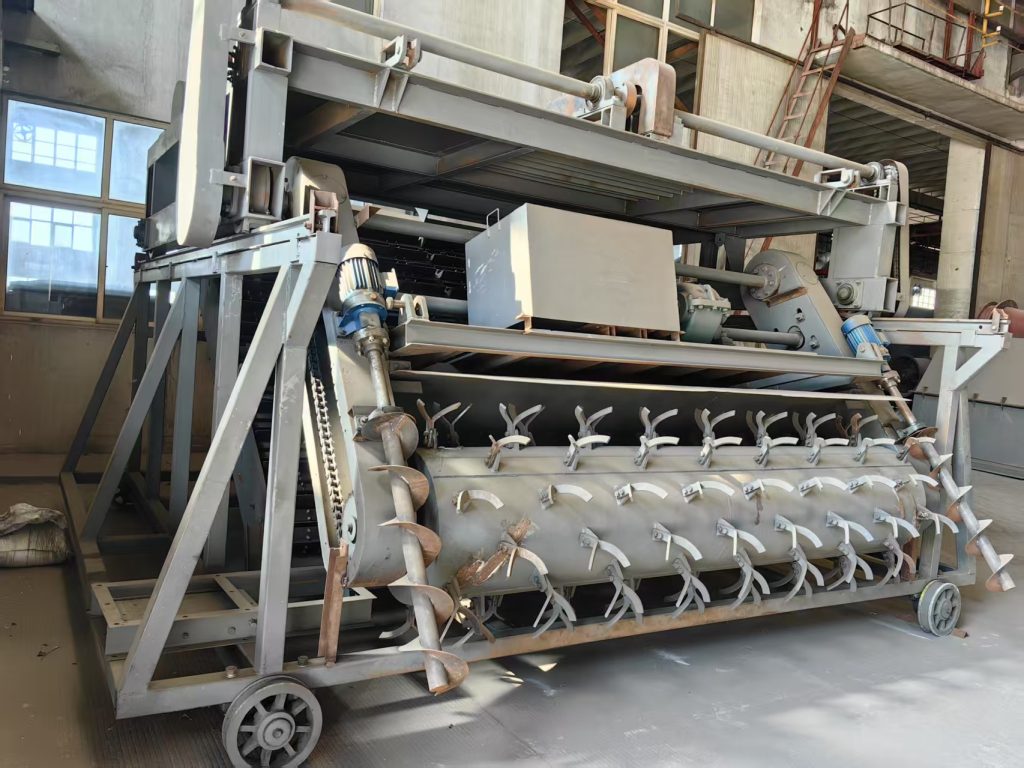
The Chain plate compost turner is a specialized equipment for slot type organic fertilizer fermentation, which is used on the fermentation tank track. It relies on the chain plate toothed structure to excavate, lift, and throw materials backwards from the bottom of the material pile. Chain plate compost turner working principle The equipment is mounted on the fermentation tank track and can move longitudinally. During operation, the hydraulic system lowers the rotating chain plate component and penetrates deep into the bottom of the material pile. The wear-resistant toothed knife on the chain plate excavates, lifts, and throws the material backwards…
Read More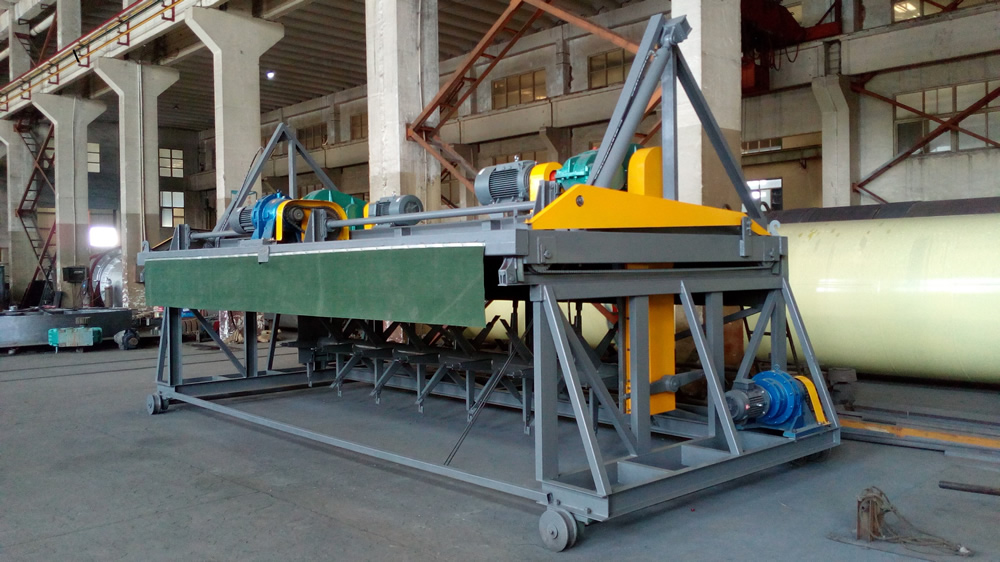
Trench flipping machine (also known as trough flipping machine) is a specialized equipment that travels along a fixed concrete fermentation tank track and flips and mixes organic materials in the tank. Its core is used for organic fertilizer production and aerobic fermentation and maturation of organic solid waste. Core structure of groove flipping machine Rack and walking mechanism: Equipped with walking wheels at both ends, it spans the tracks on both sides of the fermentation tank and can move along the length of the tank. Flipping spindle and cutting tools: horizontally arranged rotating blade rollers with plate or rotary tillage…
Read More WhatsApp
 Email
Email
 + 8613905485429