Professional Fertilizer Equipment, Straw Processing Equipment, Waste Processing Equipment and Mining Equipment Manufacturer.
Contact Info
Apartemen Neo Soho Lantai 10 Unit 10, Jl. Letjan S parman kav.28, Kel. Tanjung Duren Selatan Kec.
Professional Fertilizer Equipment, Straw Processing Equipment, Waste Processing Equipment and Mining Equipment Manufacturer.
Apartemen Neo Soho Lantai 10 Unit 10, Jl. Letjan S parman kav.28, Kel. Tanjung Duren Selatan Kec.
Latest news and technology on fertilizer equipment, straw processing equipment, waste processing equipment and mining equipment.
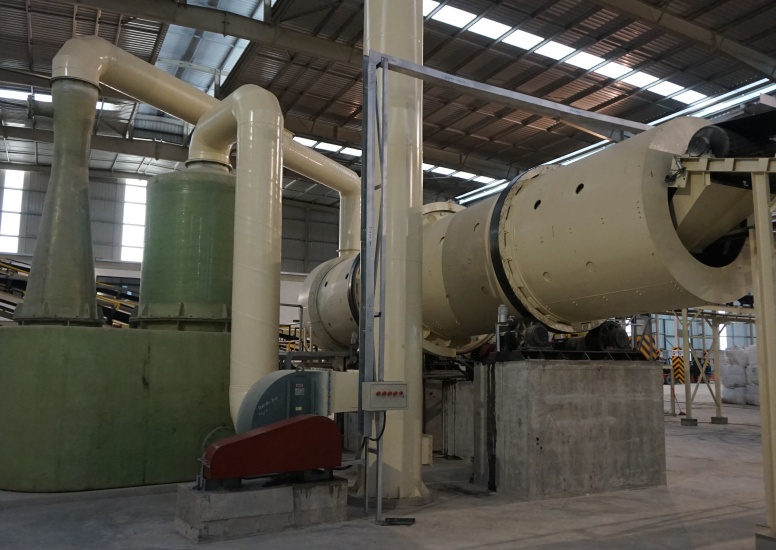
A Polyurethane Coating Production Line is an automated, integrated industrial system designed to manufacture polyurethane (PU) coatings through a series of sequential, precision-controlled processes. It converts raw materials—including polyurethane resin, isocyanate hardeners, solvents, pigments, fillers, and functional additives—into high-performance finished coatings with properties like wear resistance, corrosion protection, weatherability, and strong adhesion. Polyurethane Coating Production Line Core Processes It typically includes 7 key steps: Raw material storage & metering (precision batching per formula) Premixing (blending resin, solvents, and additives to form a uniform base) Dispersion (breaking up pigment/filler agglomerates via high-speed shear force) Grinding (refining particle size to 10-50μm with sand mills/bead mills)…
Read More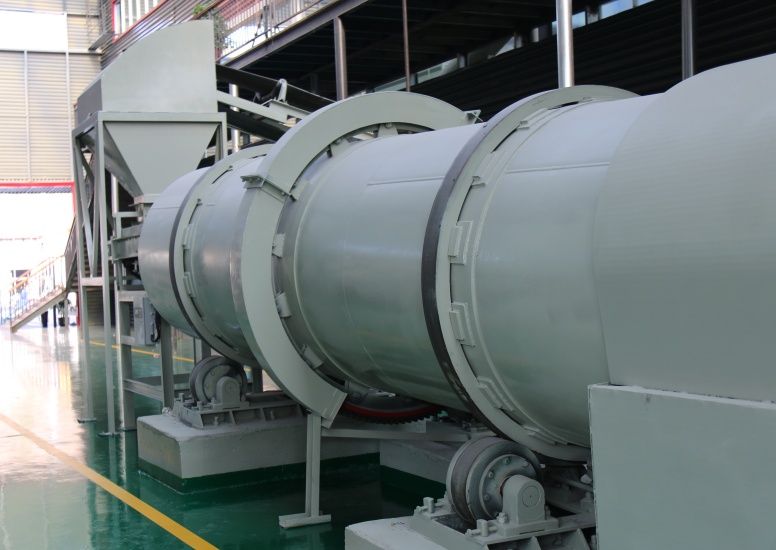
A Urea formaldehyde fertilizer coating production line is a specialized industrial system engineered for surface modification of urea-formaldehyde resin-based fertilizers. Its primary function is to deposit a uniform, controlled-release film on the surface of UF fertilizer particles, thereby regulating nutrient release kinetics, extending fertilizer efficacy duration, and minimizing nutrient losses such as nitrogen volatilization and leaching. As a core production facility for high-value-added controlled-release fertilizers, it plays a pivotal role in modern precision agriculture. Urea formaldehyde fertilizer coating production line Core Components & Process Flow The production line integrates material pretreatment, coating, drying, curing, and post-processing modules, featuring a modular…
Read More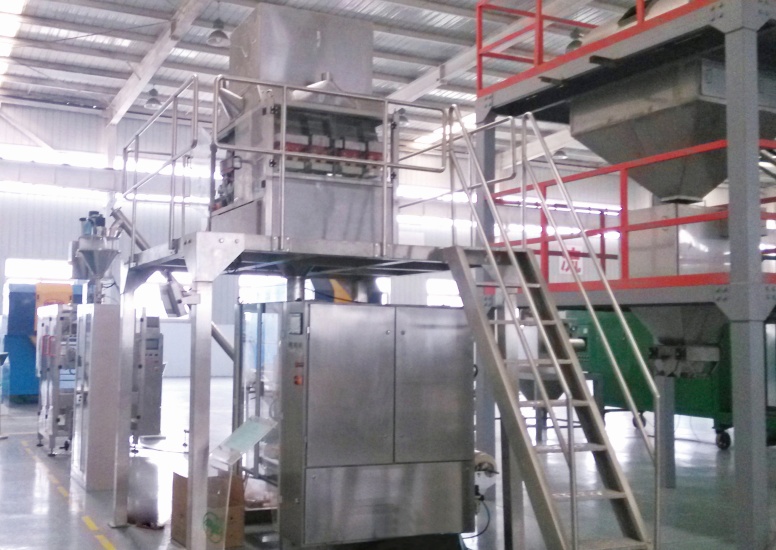
A sulfur coating production line is a specialized continuous manufacturing system designed to coat fertilizer particles (usually urea or compound fertilizer) with a sulfur-based film. Its core purpose is to produce controlled-release fertilizers, extending nutrient release time and improving fertilizer utilization efficiency. Sulfur coating production line Core Functions Uniformly coat sulfur onto the surface of fertilizer particles to form a dense, water-resistant film. Adjust the thickness of the sulfur coating to control the nutrient release rate, matching the growth cycle of crops. Enhance the stability of fertilizers, reducing nutrient loss caused by leaching, volatilization, or denitrification. Sulfur coating production line…
Read More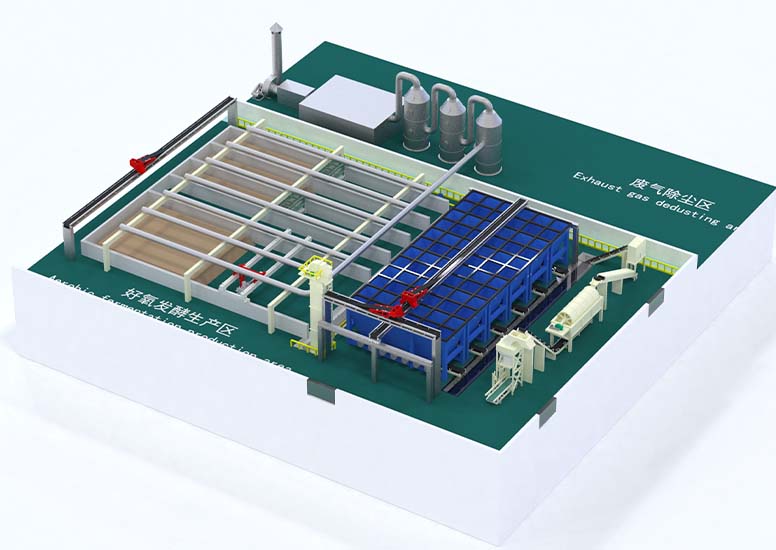
A Liquid Fertilizer Production Line is a systematic, automated manufacturing system designed to convert organic/inorganic raw materials into liquid fertilizers (including water-soluble fertilizers, foliar fertilizers, and bio-liquid fertilizers) through processes like mixing, dissolving, fermenting, filtering, and filling. It integrates multiple specialized equipment to achieve continuous, standardized production, ensuring the final product meets nutrient content, solubility, and safety requirements for agricultural application. Core Definitions & Functional Orientation 1. Key Definition It is a modular production system that processes raw materials (e.g., organic waste, chemical nutrients, microbial agents) into liquid-form fertilizers with precise nutrient ratios, enabling direct application via irrigation systems (drip, sprinkler) or…
Read More
A powder fertilizer production line refers to a set of continuous and automated equipment combinations designed to process various raw materials (organic, inorganic, or composite) into uniform, dry, and agriculturally acceptable powdered fertilizers through a series of processes such as pretreatment, crushing, mixing, sieving, metering, and packaging. The end products can be directly applied in farmlands, fruit and vegetable plantations, gardens, and other scenarios, or serve as intermediate materials for granular fertilizer production. Powder Fertilizer Production Line Core Composition and Process Flow 1. Core Equipment Composition Process Stage Key Equipment Function Raw Material Pretreatment Raw material silos, conveyors, impurity removers…
Read More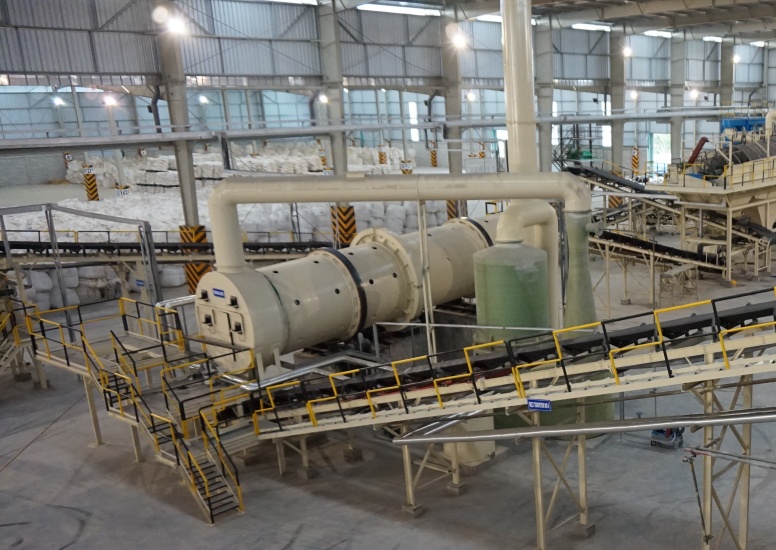
A Rotary Drum Granulation Production Line is a continuous industrial system centered on a rotary drum granulator (core equipment), designed to convert powdery raw materials into spherical or irregular granular products through a series of integrated processes. It is widely used in bulk material granulation, with the chemical fertilizer industry as its primary application scenario (e.g., compound fertilizer production). Rotary Drum Granulation Production Line Key Components & Working Principle The production line operates as a closed-loop system with sequential processes, featuring the following core units: Raw Material Batching System Accurately weighs and mixes powdery raw materials (e.g., urea, ammonium phosphate, potassium chloride for compound fertilizers) according…
Read More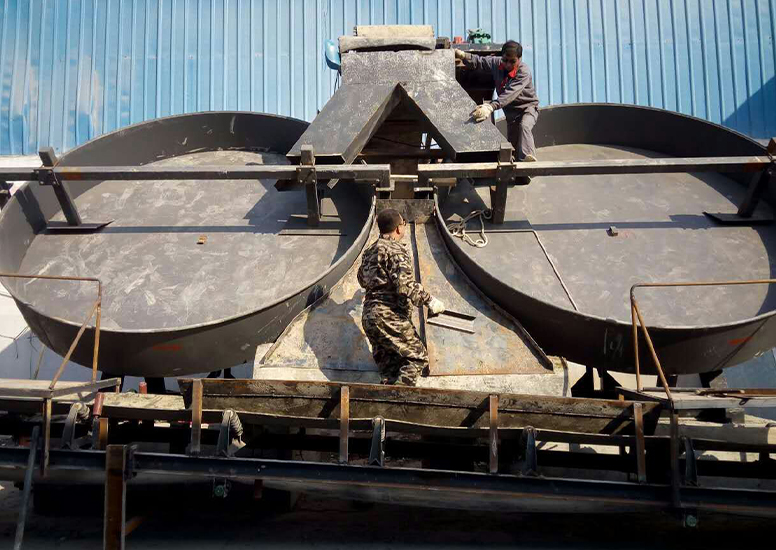
A Compound Fertilizer Disc Granulation Production Line is an integrated industrial system designed to manufacture compound fertilizers—fertilizers containing two or more essential plant nutrients (such as nitrogen, phosphorus, and potassium) in granular form. At its core lies the disc granulator (also known as a pan granulator), which enables the transformation of fine powder raw materials into uniform, spherical fertilizer granules through a wet granulation process. This production line is widely adopted in the fertilizer industry due to its efficiency, cost-effectiveness, and adaptability, meeting the demand for high-quality fertilizers in modern agriculture. Compound Fertilizer Disc Granulation Production Line Key Components…
Read More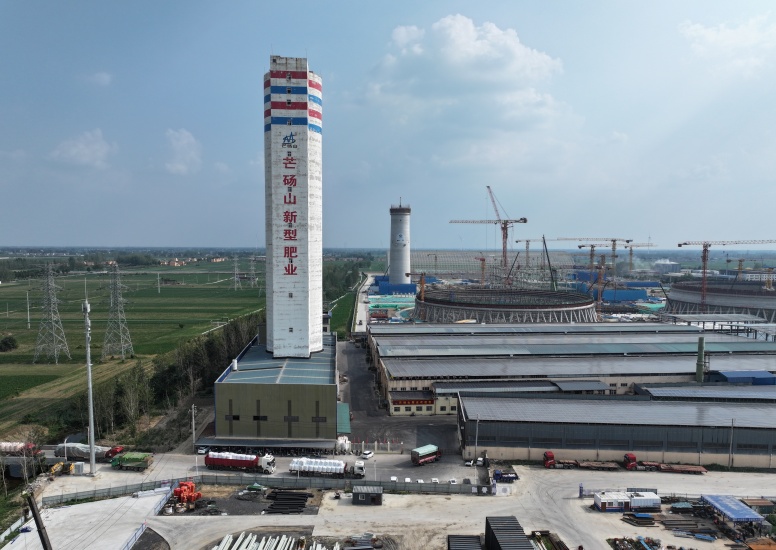
A Compound Fertilizer High Tower Granulation Production Line is an advanced industrial system designed to produce granular compound fertilizers—fertilizers containing two or more essential nutrients (e.g., nitrogen, phosphorus, and potassium) in a single, homogeneous granule. This production method is named for its signature high tower structure, which enables efficient granulation through free-falling materials and natural cooling. It’s widely adopted in the fertilizer industry for its high output, uniform product quality, and energy efficiency. Below is a detailed breakdown of its working principle, key components, advantages, and applications. Compound Fertilizer High Tower Granulation Production Line Working Principle The core principle of…
Read More
A compound fertilizer extrusion granulation production line is a set of industrial equipment and processes designed to manufacture compound fertilizers through an extrusion granulation method. It transforms raw materials rich in nitrogen (N), phosphorus (P), and potassium (K) into uniformly granulated fertilizer products, which are easier to apply, store, and transport compared to powdery fertilizers. This production line is widely used in the chemical fertilizer industry to meet the growing demand for high-efficiency, environmentally friendly fertilizers that improve soil fertility and crop yields. Compound Fertilizer Extrusion Granulation Production Line Core Components of the Production Line The production line consists of…
Read More WhatsApp
 Email
Email
 + 8613905485429