Professional Fertilizer Equipment, Straw Processing Equipment, Waste Processing Equipment and Mining Equipment Manufacturer.
Contact Info
Apartemen Neo Soho Lantai 10 Unit 10, Jl. Letjan S parman kav.28, Kel. Tanjung Duren Selatan Kec.
Professional Fertilizer Equipment, Straw Processing Equipment, Waste Processing Equipment and Mining Equipment Manufacturer.
Apartemen Neo Soho Lantai 10 Unit 10, Jl. Letjan S parman kav.28, Kel. Tanjung Duren Selatan Kec.
Latest news and technology on fertilizer equipment, straw processing equipment, waste processing equipment and mining equipment.
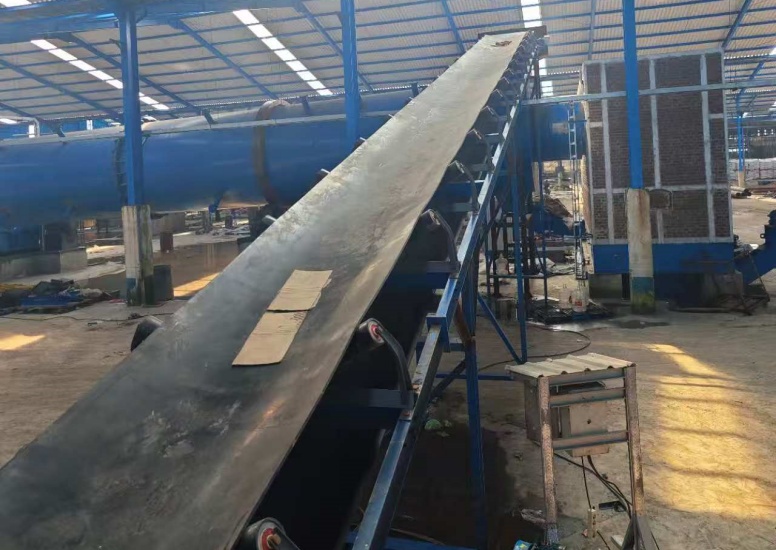
A Belt Conveyor is a mechanical device used to continuously transport materials (solid, granular, powdery, etc.) over a distance, consisting of a conveyor belt, drive unit, idlers, frame, and control system. Belt Conveyor Core Working Principle The drive roller is powered to rotate, generating friction between the roller and the conveyor belt. The friction drives the conveyor belt to move continuously along the idlers. Materials placed on the belt are transported from the feeding end to the discharge end synchronously with the belt. Belt Conveyor Key Features Wide application: Suitable for transporting various materials such as coal, ore, fertilizers, grains,…
Read More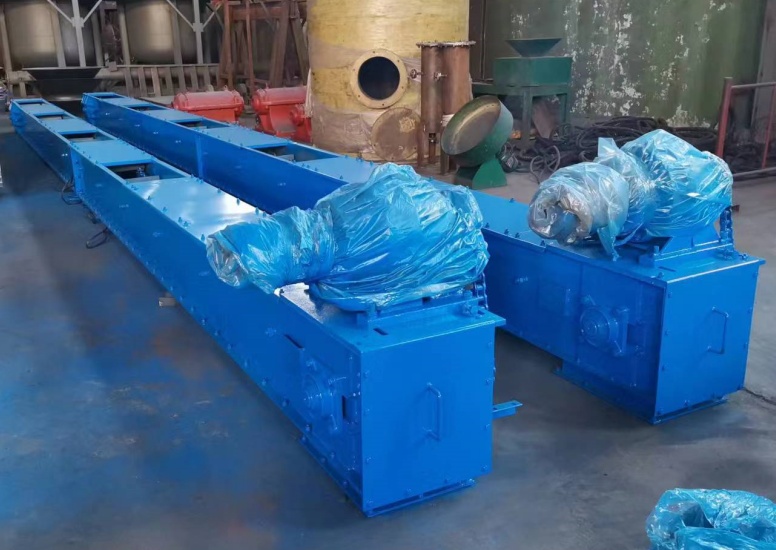
A Chain Conveyor is a type of mechanical material handling equipment designed to transport bulk goods, unit loads, or heavy items horizontally, vertically, or at an incline using a continuous chain as the conveying medium. It relies on the traction and bearing capacity of the chain to move materials along a fixed path, making it widely used in industrial production, agriculture, logistics, and other fields. Chain Conveyor Core Components Chain: The key driving and carrying part (e.g., roller chain, leaf chain, engineering plastic chain). It may have attachments (e.g., flights, buckets, or plates) to hold or push materials. Drive Unit: Includes a…
Read More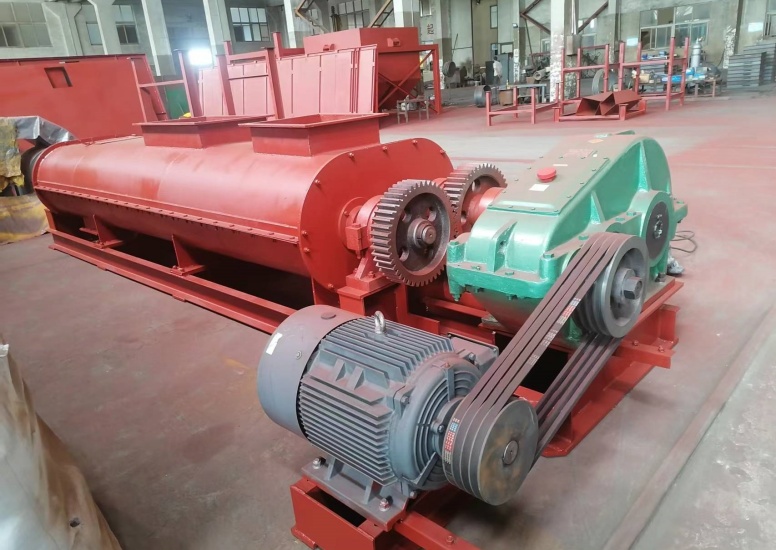
A twin shaft mixer (also called a double shaft mixer) is a high-efficiency mixing device equipped with two parallel, counter-rotating shafts fitted with paddles or blades. It is widely used in industrial production to blend powdery, granular, or paste-like materials, and is characterized by strong mixing intensity, uniform mixing results, and high processing efficiency. 1. Twin Shaft Mixer Core Working Principle The twin shaft mixer operates based on the synergy of counter-rotating shafts and specially designed paddles: Two parallel shafts rotate in opposite directions (usually at a speed of 30–60 rpm, adjustable according to production needs). Each shaft is equipped with…
Read More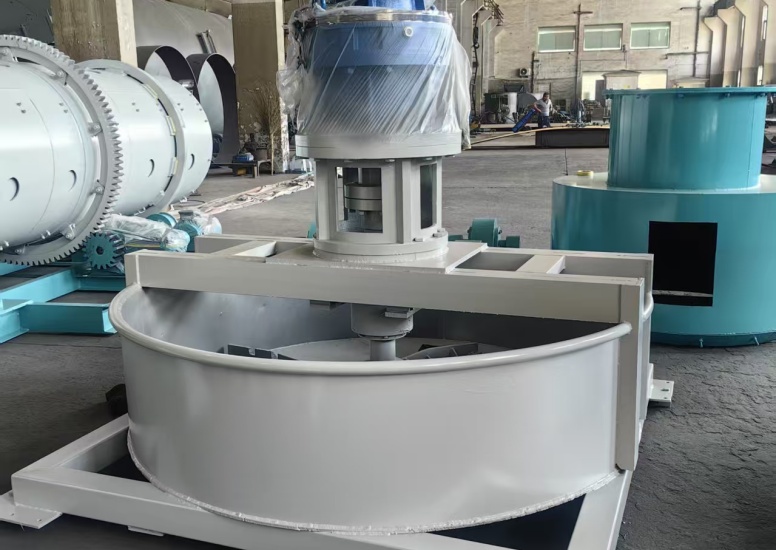
A Vertical Disc Mixer is a specialized mixing equipment widely used in organic fertilizer production lines, primarily for uniformly blending organic raw materials (such as manure, straw), microbial agents, additives, and other components. Vertical Disc Mixer Core Working Principle The equipment features a vertical structure with a rotating disc at the bottom. Driven by a motor, the disc rotates at a specific speed (usually 15-30 r/min). Materials are fed from the top into the mixing chamber, and under the combined action of centrifugal force and the disc’s inclined angle, they move upward along the disc edge. Meanwhile, the built-in stirring…
Read More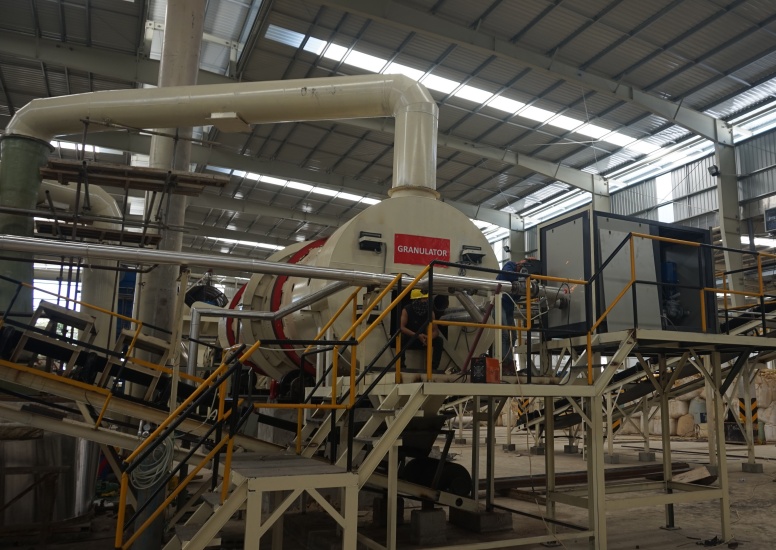
Are you curious about the advantages of fertilizers processed by organic fertilizer equipment? Todays article summarizes the advantages of organic fertilizer equipment in processing fertilizers: 1. Better land integration: Processed fertilizers can make the land easier to "accept" and achieve rapid integration with the soil, just like establishing a smoother "communication bridge" between fertilizers and land, accelerating the transmission and absorption of nutrients. 2. Uniform distribution of nutrients: Various nutrients in fertilizers are reasonably mixed and distributed during the processing, providing balanced nutrient supply for crops and helping them grow healthily. 3. Convenient transportation: Through specific processing techniques, fertilizers are…
Read More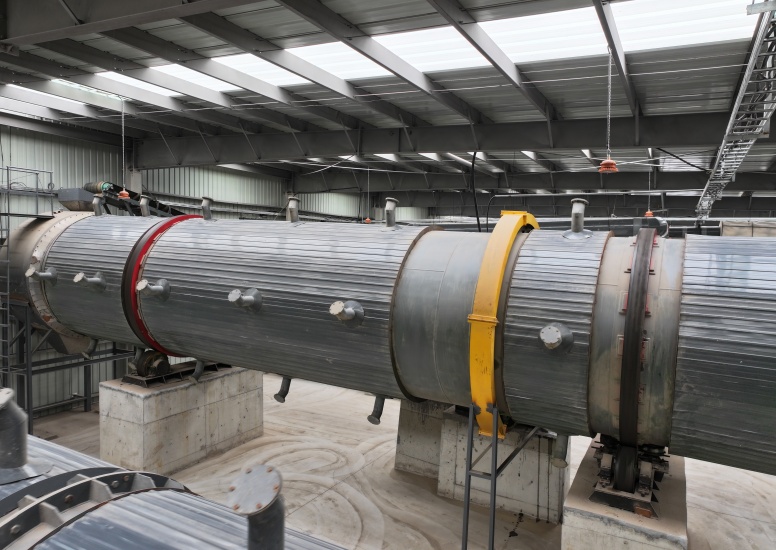
To prevent material clumping during the drying process of organic fertilizer production lines, the core is to control the rhythm of moisture changes, optimize equipment and parameters, improve material characteristics, and avoid particles from aggregating into blocks due to uneven humidity, adhesion, or thermal deformation before and after drying. From the three key stages of pre drying, during drying, and post drying, specific anti caking measures are outlined to form a full process control plan. 1、 Before drying: Avoid conditions that are prone to clumping in advance The state of the material before drying directly affects the probability of clumping during…
Read More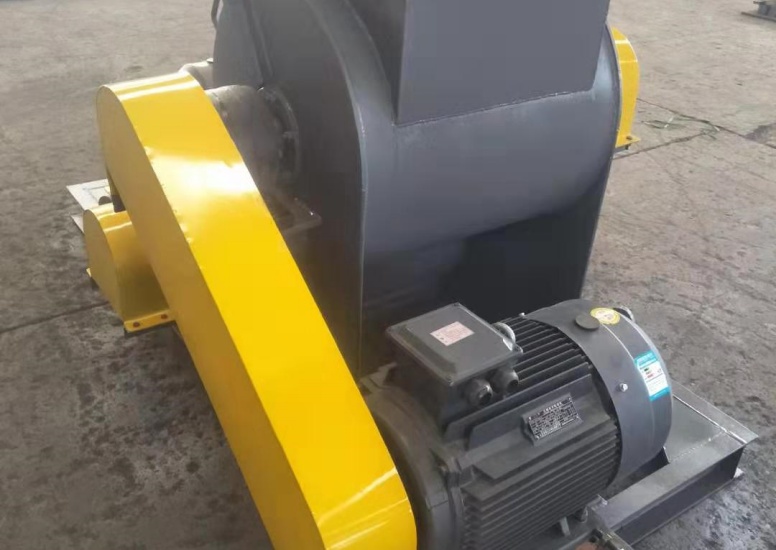
A Two Stage Crusher is a type of crushing equipment designed to reduce material particle size through two sequential crushing stages, ensuring the final product meets specific granularity requirements. Key Components & Working Process First stage (primary crushing): Uses a primary crusher (e.g., jaw crusher, gyratory crusher) to break large raw materials (e.g., boulders, ores) into medium-sized fragments. Second stage (secondary crushing): Employs a secondary crusher (e.g., impact crusher, cone crusher) to further grind medium-sized materials into fine particles suitable for industrial use. Main Features & Advantages High crushing efficiency: Staged crushing adapts to different material hardness and sizes, avoiding overload…
Read More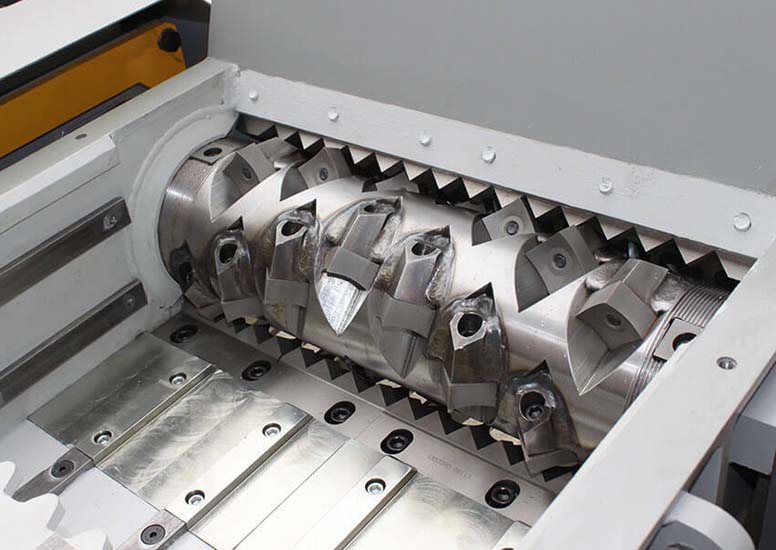
A single shaft shredder, also known as a single shaft crusher or single shaft tearing machine, is a kind of shredding equipment. The following is a detailed introduction: Single Shaft Shredder Basic Structure: It mainly consists of a shredding mechanism, a support frame, a recovery box, and a cart. The shredding mechanism includes a main shaft, movable blades, fixed blades, a shaft seat, and a bearing. The main shaft is made of tool steel, and the movable blades are embedded on the main shaft. The fixed blades are fixed on the inner casing of the machine body, and the shaft…
Read More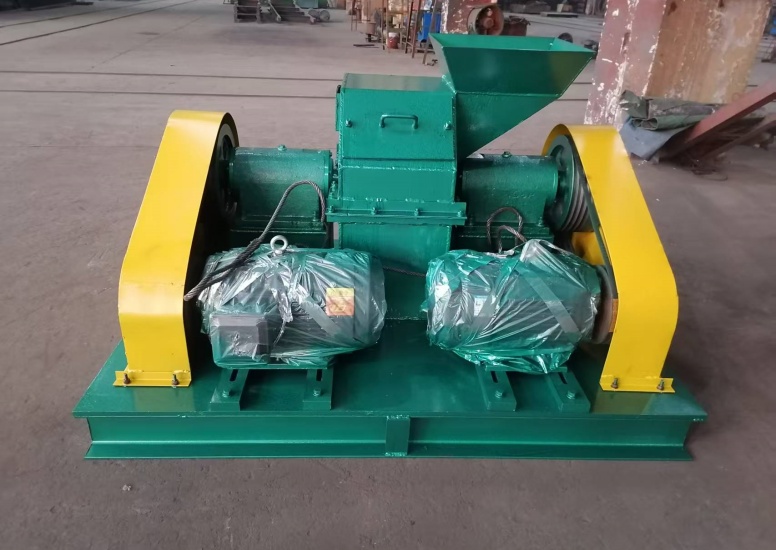
A Cage Crusher, also known as a cage mill crusher, is a high-efficiency impact crushing equipment mainly used to crush medium-hard and brittle materials into fine or ultrafine particles. Its core working part consists of two or more rotating cage-shaped rotors (with multiple hammer bars or impact plates) that crush materials through high-speed impact, shearing, and grinding. Cage Crusher Core Working Principle The working process of a Cage Crusher relies on the relative rotation of the inner and outer (or multiple) cage rotors to apply combined forces to materials: Feeding: Materials enter the crushing cavity from the top feeding port and fall…
Read More WhatsApp
 Email
Email
 + 8613905485429