Professional Fertilizer Equipment, Straw Processing Equipment, Waste Processing Equipment and Mining Equipment Manufacturer.
Contact Info
Apartemen Neo Soho Lantai 10 Unit 10, Jl. Letjan S parman kav.28, Kel. Tanjung Duren Selatan Kec.
Professional Fertilizer Equipment, Straw Processing Equipment, Waste Processing Equipment and Mining Equipment Manufacturer.
Apartemen Neo Soho Lantai 10 Unit 10, Jl. Letjan S parman kav.28, Kel. Tanjung Duren Selatan Kec.
Latest news and technology on fertilizer equipment, straw processing equipment, waste processing equipment and mining equipment.
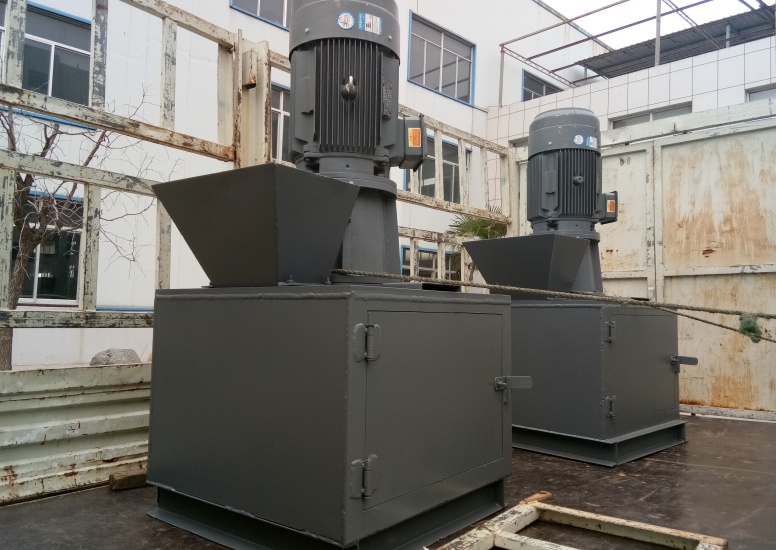
A Vertical Crusher is a type of crushing equipment with a vertical structure, mainly used to break large materials into smaller particles. Vertical Crusher Core Working Principle Materials are fed from the top of the equipment into the crushing chamber. A vertical rotating rotor (equipped with hammers, blades, or impact plates) generates high-speed impact or extrusion force. The materials are crushed by the rotor and then discharged from the bottom after meeting the particle size requirement. Vertical Crusher Key Features Compact vertical structure, saving floor space compared to horizontal crushers. High crushing efficiency, suitable for medium-hard to hard materials (e.g., limestone, coal,…
Read More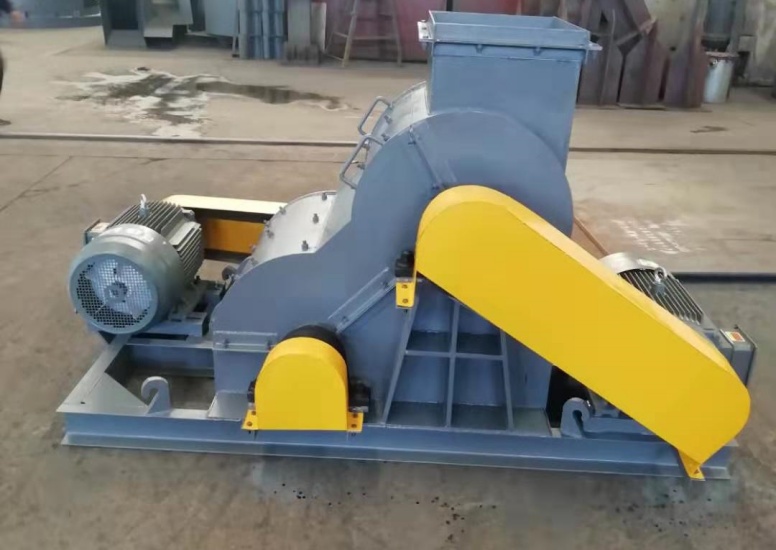
A Two Stage Crusher is a type of crushing equipment that completes material crushing through two sequential crushing processes (primary crushing + secondary crushing) in one machine. Two Stage Crusher Core Working Principle The first stage (primary crushing) uses a coarse crusher (usually a jaw crusher or impact crusher structure) to initially break large-sized raw materials into medium-sized fragments. The second stage (secondary crushing) uses a fine crusher (such as an impact crusher or cone crusher structure) to further crush the medium-sized materials from the first stage into finished products that meet the required particle size. The two stages are integrated into…
Read More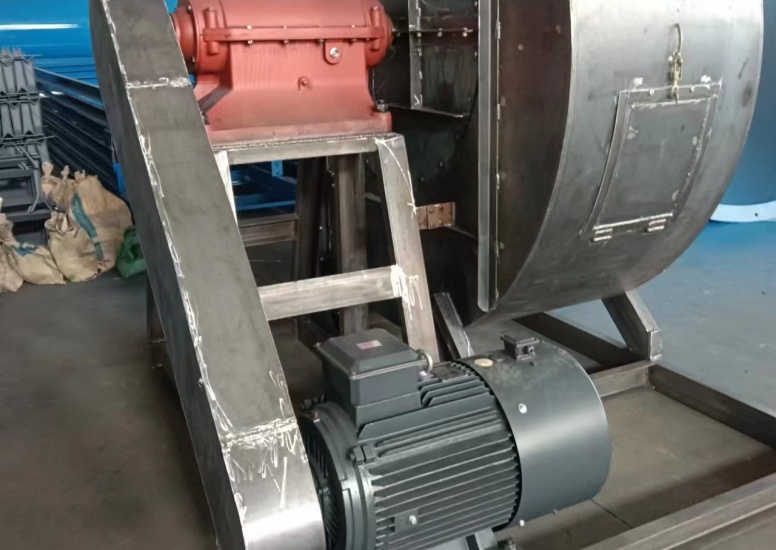
Induced Draft Fans is A type of ventilation/exhaust equipment that creates negative pressure to extract gases (such as flue gas, air) from systems or equipment. Its core function is to "induce" gas flow, commonly used in industrial boilers, kilns, environmental protection equipment and other scenarios. Induced Draft Fans Core Working Principle The motor drives the impeller to rotate, which forms a negative pressure area on the air inlet side during rotation. Gas in the system (such as flue gas after boiler combustion) is sucked into the fan under the pressure difference between atmospheric pressure and negative pressure. After being accelerated…
Read More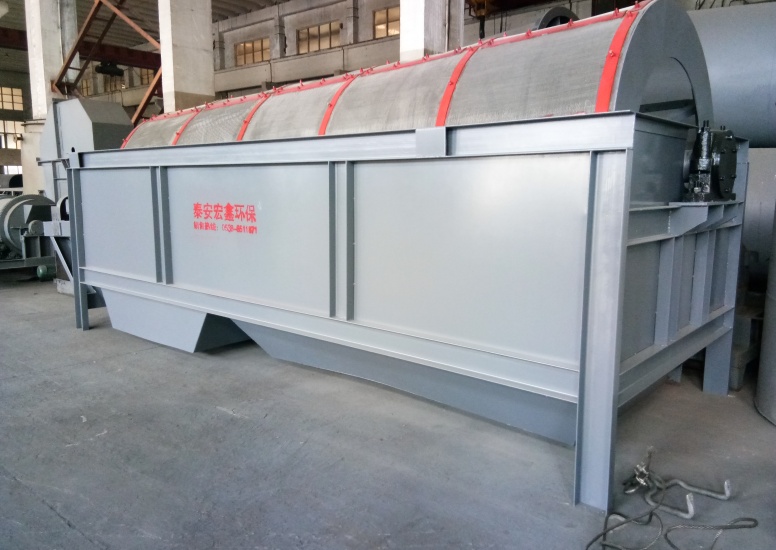
A Rotary Compost Screener (rotary compost screening machine) is a key equipment in organic fertilizer production lines, mainly used for classifying composted organic materials. Rotary Compost Screener Core Function It separates qualified organic fertilizer particles from unfermented lumps, impurities (such as stones, plastic fragments) and oversize materials. It achieves graded screening of finished products, ensuring uniform particle size of organic fertilizer and improving product quality. Rotary Compost Screener Structural Principle The main structure includes a rotating drum, frame, driving device, screen mesh, feeding hopper and discharge port. The drum is equipped with a combined screen mesh (common apertures are 2-5mm)…
Read More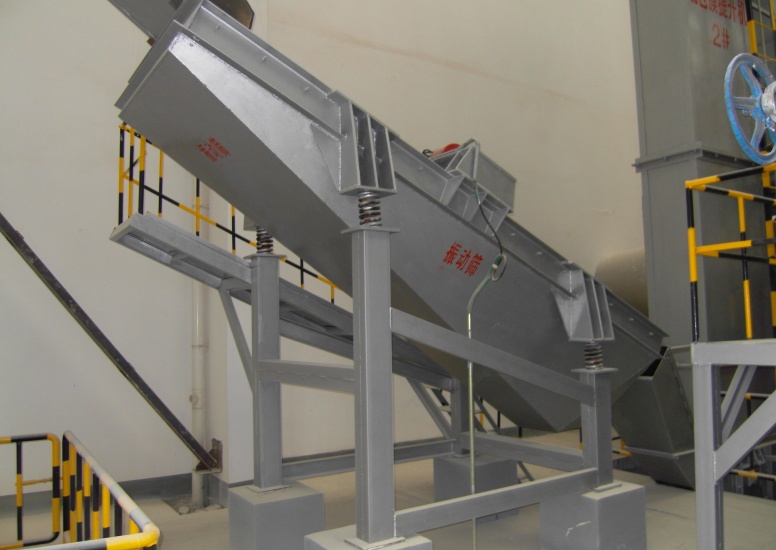
A Vibrating Screening Machine (also called a vibratory screener or vibrating sieve) is a specialized equipment designed to separate solid materials (powders, granules, or bulk solids) into different particle size fractions. It uses mechanical vibration to drive material movement on a screen surface, allowing particles smaller than the screen mesh to pass through (called "undersize") while retaining larger particles (called "oversize"). Its core function is to classify, filter, or purify materials, and it is widely used in industries like mining, agriculture, food processing, and fertilizer production. 1. Vibrating Screening Machine Core Working Principle: Vibration-Driven Material Separation The machine’s separation effect relies on the combined…
Read More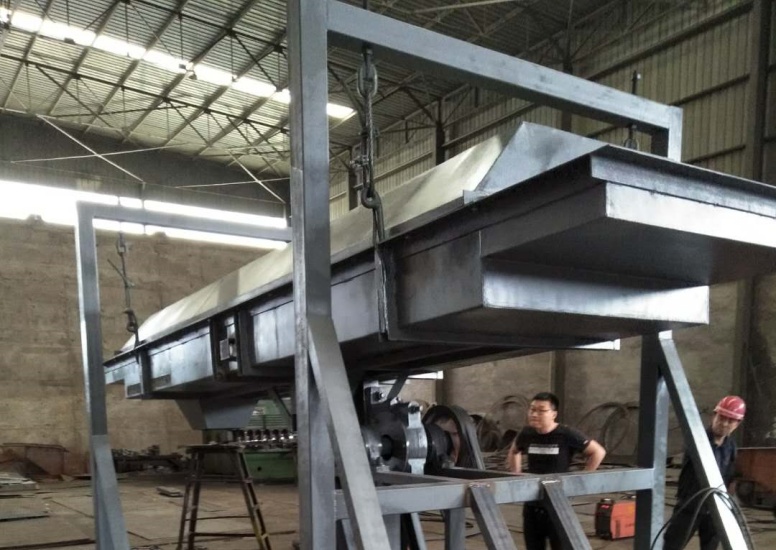
A Reciprocating Screening Machine is a type of equipment used to separate materials into different particle size grades, and its core working principle relies on reciprocating linear motion of the screen surface to achieve material classification. Reciprocating Screening Machine Core Working Principle The screen box (which holds the screen surface) is driven by a power system (usually a motor + crankshaft connecting rod mechanism) to perform reciprocating linear motion (back-and-forth movement) at a certain frequency and amplitude. When materials are fed onto the inclined screen surface, the reciprocating motion pushes the materials to move forward along the screen surface. During the movement, particles smaller…
Read More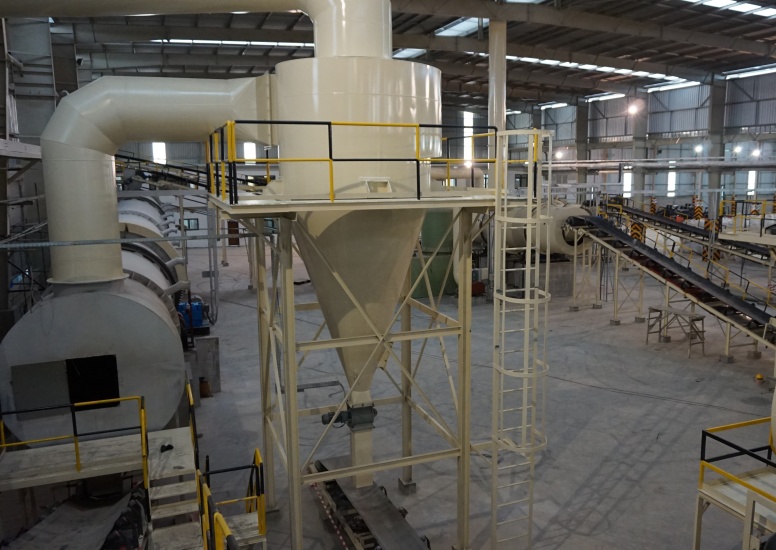
A Cyclone Dust Collector is a type of industrial dust removal equipment that separates solid particles (dust, powder) from gas or air streams using the centrifugal force generated by rotational airflow. Cyclone Dust Collector Core Working Principle The cyclone dust collector works based on the difference in density between gas and solid particles. The specific process is as follows: The dusty gas enters the cyclone chamber tangentially at high speed along the inlet pipe, forming a strong rotating airflow (cyclone). Under the action of centrifugal force, solid particles with higher density are thrown to the inner wall of the cyclone chamber. The…
Read More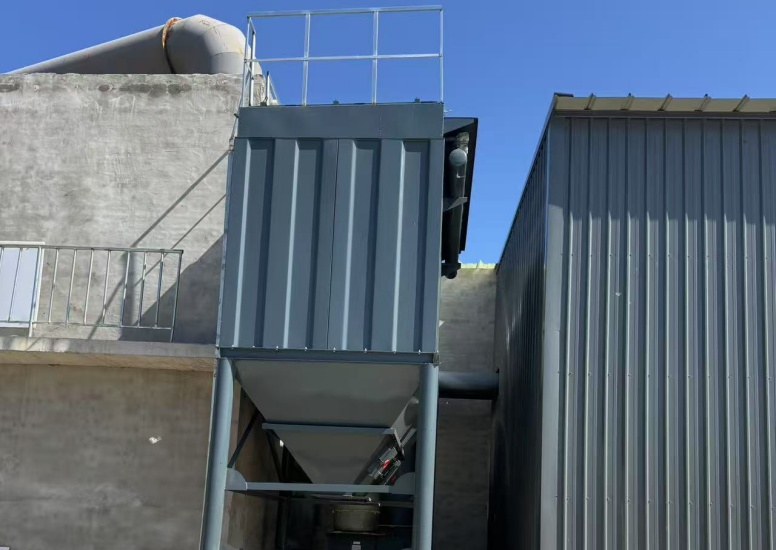
A Pulse Dust Collector is a high-efficiency dust removal device that uses compressed air to periodically blow and clean filter elements, thereby capturing and separating dust particles from gas. Pulse Dust Collector Core Working Principle The pulse dust collector operates in four sequential stages to achieve dust removal and cleaning. Dust Filtration: Dust-laden gas enters the collector and flows through filter elements (such as filter bags or filter cartridges). Dust particles are trapped on the surface of the filter elements, while clean gas passes through and is discharged. Dust Accumulation: As filtration continues, dust gradually accumulates on the filter elements, increasing airflow…
Read More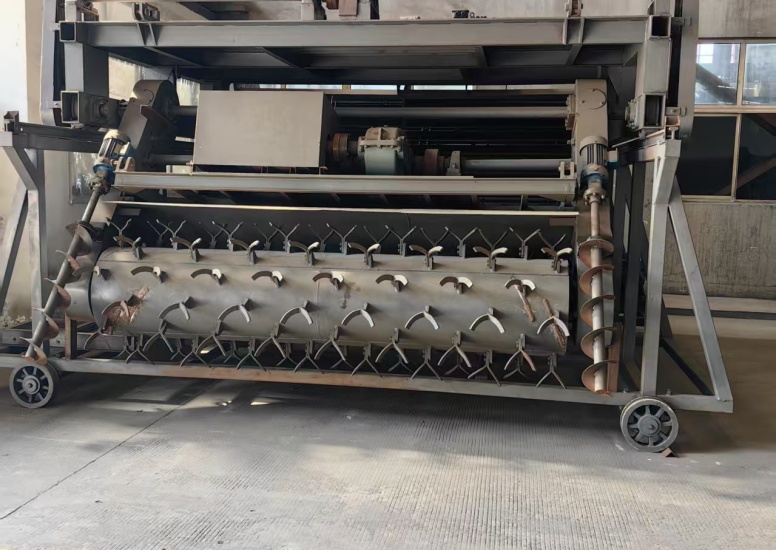
A chain plate compost turner is a type of equipment used in the composting process, which mainly relies on chain-driven plates to turn, stir and aerate organic materials, accelerating the decomposition of compost. Core Structure The chain plate compost turner is composed of several key components, each of which plays a vital role in the composting process. Chain Plate Assembly: The core working part, consisting of chains and evenly distributed plates. The plates are usually made of wear-resistant steel to withstand friction from organic materials. Transmission System: Includes motors, reducers and chains. It provides power to drive the chain plate…
Read More WhatsApp
 Email
Email
 + 8613905485429