Professional Fertilizer Equipment, Straw Processing Equipment, Waste Processing Equipment and Mining Equipment Manufacturer.
Contact Info
Apartemen Neo Soho Lantai 10 Unit 10, Jl. Letjan S parman kav.28, Kel. Tanjung Duren Selatan Kec.
Professional Fertilizer Equipment, Straw Processing Equipment, Waste Processing Equipment and Mining Equipment Manufacturer.
Apartemen Neo Soho Lantai 10 Unit 10, Jl. Letjan S parman kav.28, Kel. Tanjung Duren Selatan Kec.
Latest news and technology on fertilizer equipment, straw processing equipment, waste processing equipment and mining equipment.
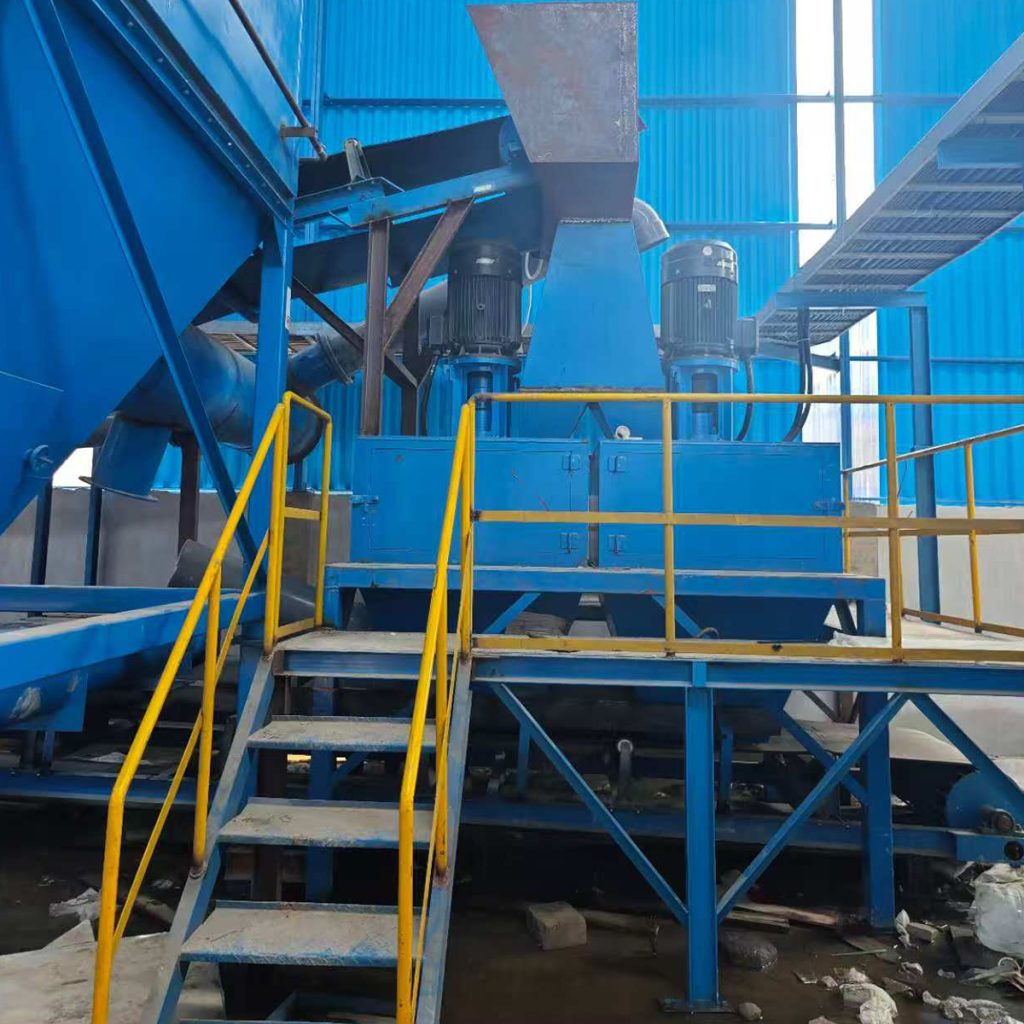
Core features of self-cleaning crusher: It comes with a self-cleaning and anti blocking structure, which automatically cleans the screen mesh and the adhesive materials in the crushing chamber during operation, reducing machine blockage and adhesive materials, and reducing manual cleaning frequency. It is commonly used in the organic fertilizer, feed, chemical, pharmaceutical, and environmental protection industries and is also commonly referred to as self-cleaning crusher or anti blocking crusher. Pay attention to differentiation: Do not confuse with self-priming crusher, self-priming is negative pressure automatic feeding; Self cleaning is the automatic cleaning of the chamber/screen to prevent clogging. Working principle of…
Read More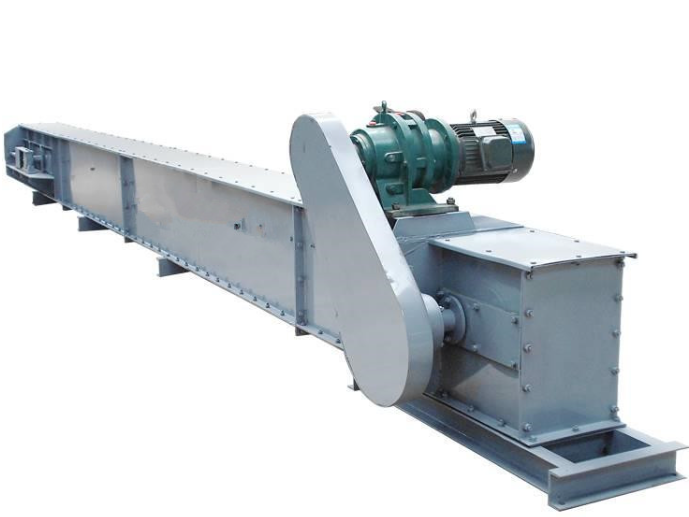
Scraper conveyor is a continuous conveying equipment that relies on scraper chain circulation traction and chute carrying to transport bulk materials. It is the core supporting equipment of coal mine comprehensive mining face and is also widely used in the fields of mining, chemical industry, grain, organic fertilizer/environmentally friendly powder conveying. Working principle of scraper conveyor The motor drives the sprocket of the machine head to rotate through the hydraulic coupling and reducer, and drives the scraper chain to operate in an endless circular cycle; The materials are loaded into the central chute and continuously pushed by the scraper to…
Read More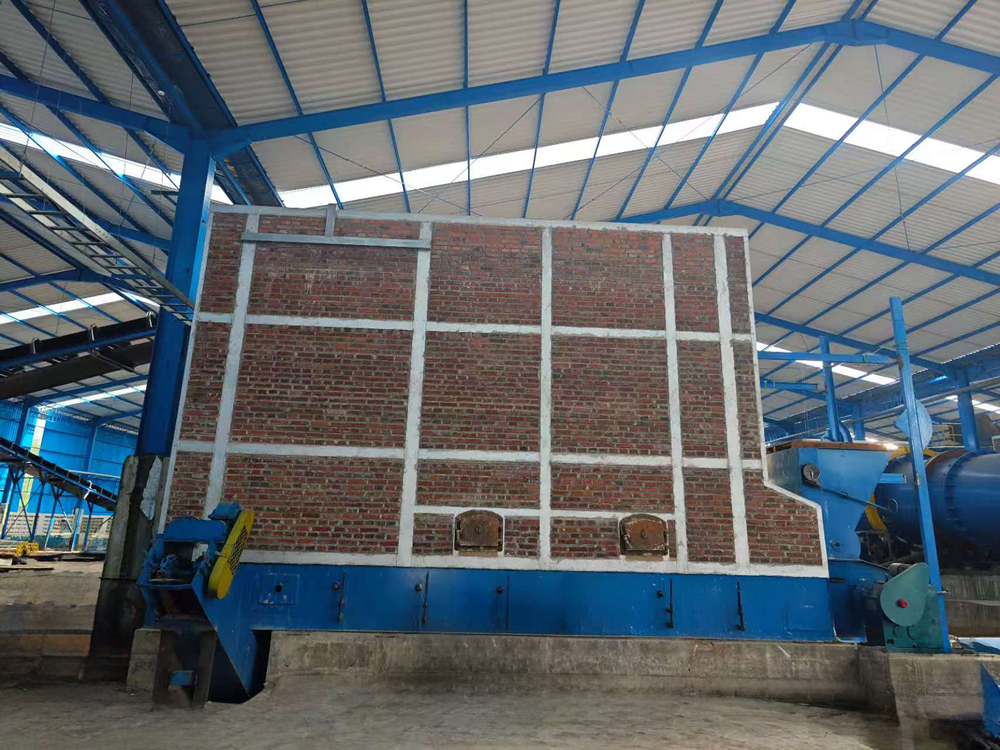
A hot blast stove is a specialized thermal equipment for producing high-temperature clean hot air, replacing steam boilers and electric heating tubes. It directly uses hot air as the heat exchange medium for drying, heating, baking, and industrial hot air supply. It is divided into two categories: civilian drying and heating type and metallurgical blast furnace specific regenerative hot blast stove. Core working principle 1. Industrial universal (heat exchange type) Cold air enters the furnace body, and fuel combustion generates heat, which is then heated into hot air through tube walls/heat pipes and sent out; Smoke and hot air can…
Read More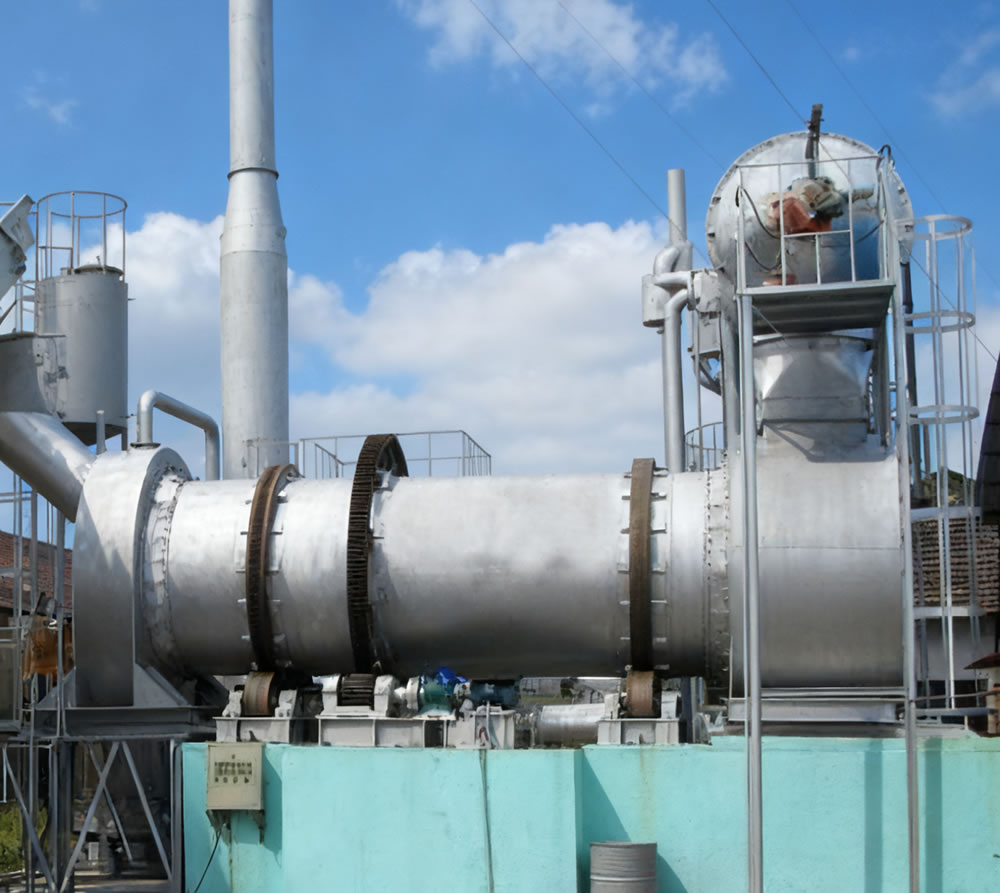
Garbage incineration equipment Execution standard: GB 18485-2014 "Pollution Control Standard for Municipal Solid Waste Incineration" Complete equipment: feeding system+incineration host+waste heat system+flue gas purification+slag discharge and ash conveying+automatic control system Four major incineration engines 1. Mechanical grate incinerator Processing capacity: 150-1200t/d Job: Push garbage to the reciprocating grate, dry → burn → burn off in sequence; Primary air supply from the grate, secondary air supply to the furnace; Furnace temperature ≥ 850 ℃, flue gas retention ≥ 2s, decomposition of dioxins. Advantages: Native garbage can be directly fed into the furnace without crushing; Continuous and stable operation; The mainstream of…
Read More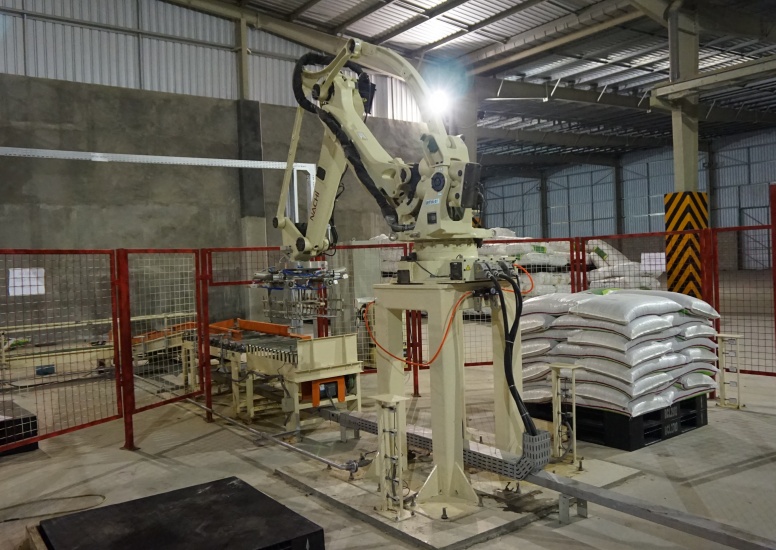
A Packaging Machine is a specialized piece of industrial or commercial equipment designed to automate, streamline, or enhance the process of enclosing, protecting, labeling, or preparing products for storage, transportation, or retail sale. Its core purpose is to replace or supplement manual packaging work—reducing labor costs, improving consistency, ensuring product safety, and increasing production efficiency, especially for high-volume operations. Key Functions of Packaging Machines Packaging machines handle a range of tasks depending on the product type (e.g., solids, liquids, powders) and packaging goal. Common functions include: Filling: Accurately depositing products into containers (e.g., bottles, bags, boxes, cans). Examples: filling soda into plastic…
Read More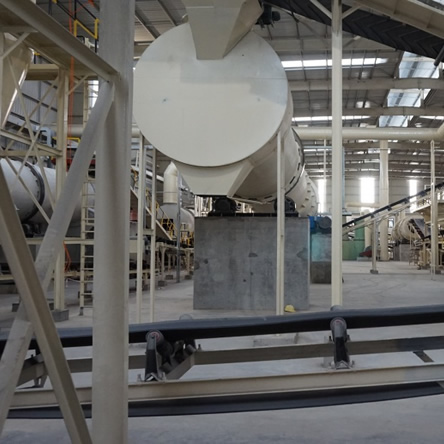
What is a compound fertilizer production line? The compound fertilizer production line is an integrated and automated equipment system that processes various raw materials such as nitrogen (N), phosphorus (P), potassium (K), and trace elements into nutrient balanced and physically stable (particle based) compound fertilizers through a continuous process (from raw material processing to finished product packaging). The core goal is to achieve "multi nutrient collaborative processing" and "large-scale, standardized production" to meet the customized fertilizer needs of different crops and soils.It is not a single device, but a combination of multiple functional units (pretreatment, batching, mixing, granulation, post-treatment, packaging,…
Read More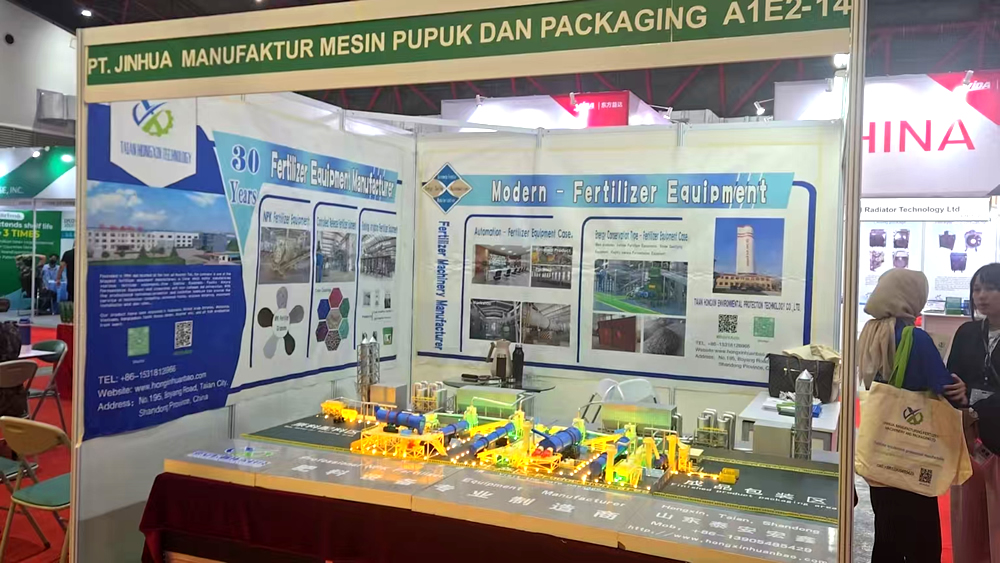
[video width="1280" height="720" mp4="https://www.jinhuamachinery.com/wp-content/uploads/2026/07/37985249a8308888997826560f8ee916.mp4" autoplay="true" preload="auto"][/video]
Read More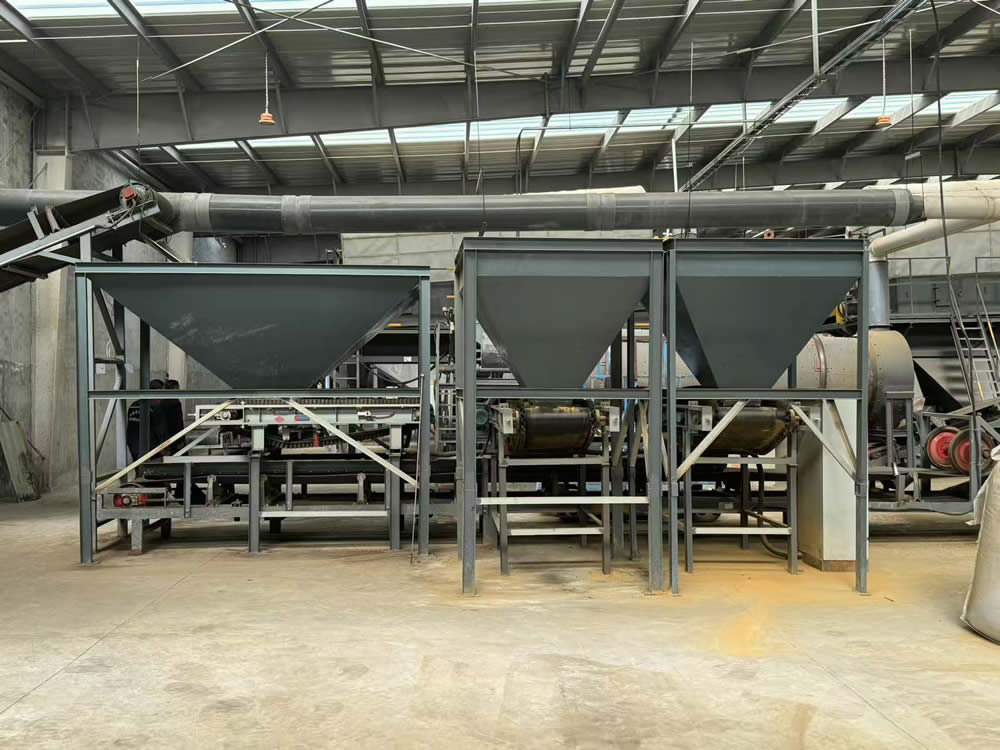
The fertilizer batching bin is the core equipment in the batching section of organic fertilizer, compound fertilizer, and BB mixed fertilizer production lines. It consists of multiple independent storage hoppers combined with feeding devices, weighing modules, and PLC control systems. It automatically completes the quantitative proportioning of various raw materials according to preset formulas, replacing manual weighing and proportioning. Applicable raw materials: animal manure, straw powder, humic acid, urea, monoammonium, potassium chloride, bacterial strains, auxiliary materials and other powdered and granular fertilizer raw materials. Overall structural composition of fertilizer ingredient warehouse Storage bin body (ingredient hopper) Upper rectangle, lower cone;…
Read More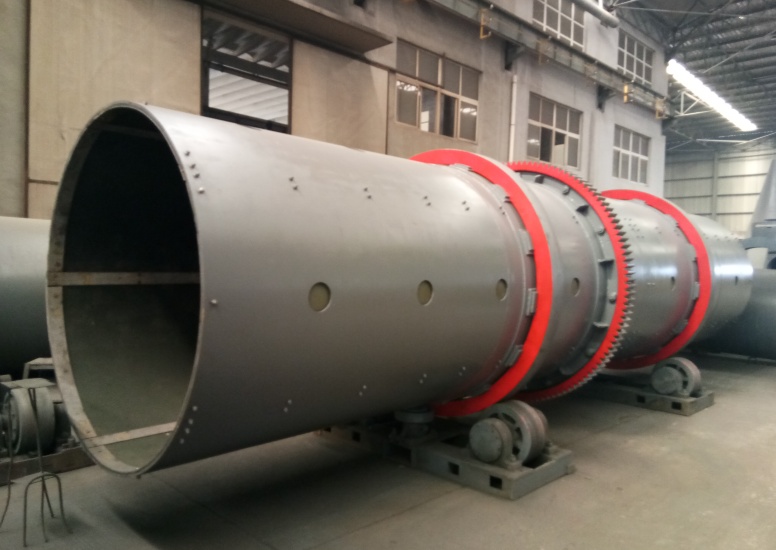
A Fertilizer Coating Machine is specialized equipment designed to apply a uniform protective or functional coating to fertilizer particles (such as granular organic fertilizer, compound fertilizer, or slow-release fertilizer). Its core purpose is to enhance the fertilizer’s performance, improve storage stability, and extend its nutrient release period—addressing issues like nutrient loss, caking, or rapid leaching in traditional uncoated fertilizers. 1. Core Functions of a Fertilizer Coating Machine The machine’s primary role is to create a thin, even coating layer on fertilizer granules through precise control of coating materials, temperature, and granule movement. Key functions include: Slow/Controlled Release: Applying coatings (e.g., sulfur, polymer…
Read More WhatsApp
 Email
Email
 + 8613905485429